Government opens £38m second Depot Charging Scheme window to 26 February with grant rate cut to 60%
Fleet operators can apply until midday on 26 February 2027 for depot charger funding at 60% of costs up to £1m, down from 70% in the first round.

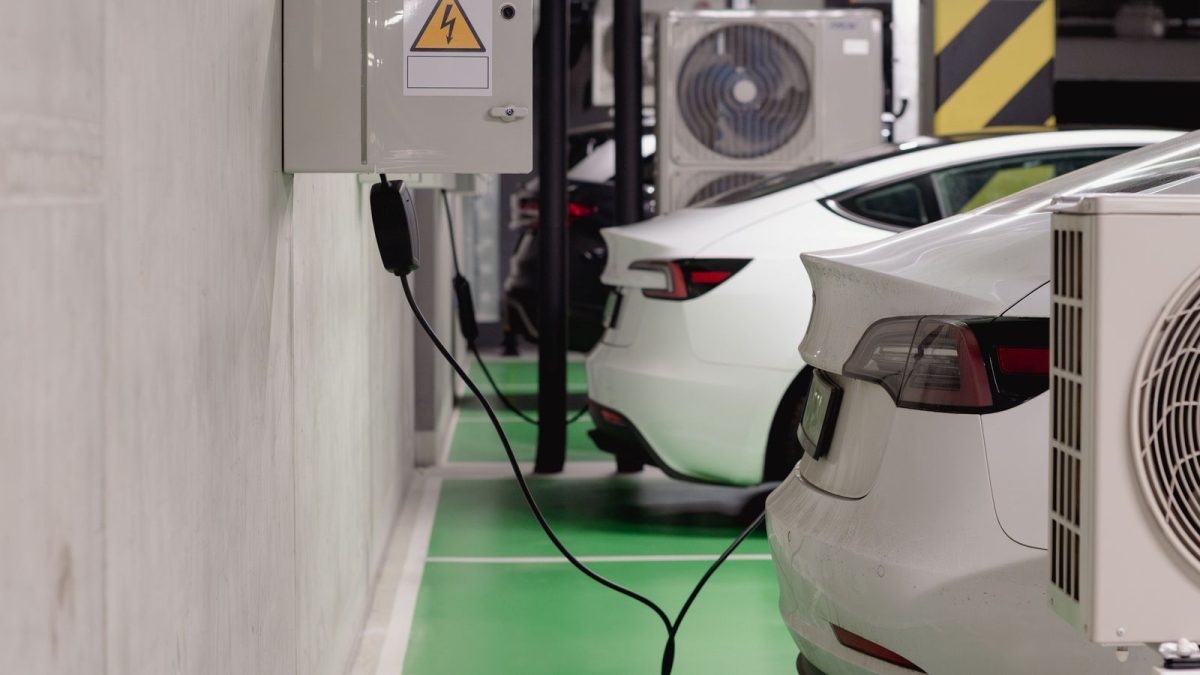
Fleet operators can apply until midday on 26 February 2027 for a share of £38m towards depot chargers, with the grant rate cut to 60% from 70%.
The second window of the Depot Charging Scheme opened on 11 November, according to the Government’s Find a Grant listing. It funds 60% of charge point and civil costs, up to £1m across all sites.
The first round paid 70%, the Society of Motor Manufacturers and Traders (SMMT) said.
The window is part of a £170m multi-year programme running from April 2026 to 2030, which followed a 2025/26 pilot.
There is no limit on the number of sites an organisation can include, but each organisation may submit only one application.
Applications are assessed first come, first served, or competitively if the window is oversubscribed. Award decisions are due by 28 May 2027.
Projects are delivered in the 2027/28 financial year and must be complete by 31 March 2028.
The scheme is open to public and private fleets, local authorities and non-profits across the UK. Applicants must be registered and operating in the UK, and their organisation and fleet must have been operating here for at least a year at the time of application.
They must own or lease at least one UK depot. Their fleet must include, or will include in future, at least one battery electric van, HGV or coach.
Applicants must also show sufficient grid capacity on site. Alternatively, they can give evidence of an electrification date within the delivery window, or plans to upgrade the power available to their chargers with extra grid supply outside it.
Winners must consent to monitoring and evaluation, including physical site audits. They must not seek similar government funding for the same work, and commercial vehicles must be the primary users of the funded chargers.
Where chargers are shared with other fleet operators, pricing must be based on cost recovery for at least three years after the grant is awarded.
Simon Lightwood, Buses and Local Transport Minister, said: “By cutting the cost of installing charge points, we’re helping businesses build cleaner fleets, reducing exposure to volatile fuel prices and driving growth up and down the country.”
Tim Griffen, Commercial Vehicle and Bus & Coach Section Manager at SMMT, said the funding is “hugely exciting news for those HGV, coach and van operators who are ready to make the switch but cannot do so”.
Toby Poston, chief executive of the British Vehicle Rental and Leasing Association, which represents rental and leasing firms, said the scheme is valuable support for fleets. He added: “Access to affordable, reliable charging infrastructure remains a significant challenge, particularly for rental businesses and smaller operators where upfront costs can be a barrier.”
The scheme sits alongside vehicle support for electric commercial fleets. SMMT said the window follows a £1bn package announced in March for the Zero Emission Truck and Van grants for 2026/7.
That package provides up to 40% of the cost of heavy goods vehicles, saving up to £81,000 per truck, and up to £5,000 off new electric vans.
Further windows are expected for 2028/29 and 2029/30. The Government said it expects to confirm timings and grant rates in 2027, and anticipates that grant rates will reduce over the life of the programme as charging infrastructure becomes more affordable.
More on EVs & Charging
- DfT counts 124,738 public EV chargers at 1 October, with 8,686 added in 2026 against 13,281 in all of 2025
- OZEV tells English councils to set permit and safety rules for cross-pavement EV charging gullies
- Electric vans take 12.9% of UK van sales in October as the ZEV mandate target for 2026 stands at 24%
- SMMT reports UK car registrations up 5.4% to 152,730 in October as BEV share hits 32.0% against 33% target