OZEV tells English councils to set permit and safety rules for cross-pavement EV charging gullies
OZEV guidance says English councils decide whether cross-pavement EV charging goes on the public highway, and sets out the permits, standards and safety checks to use.

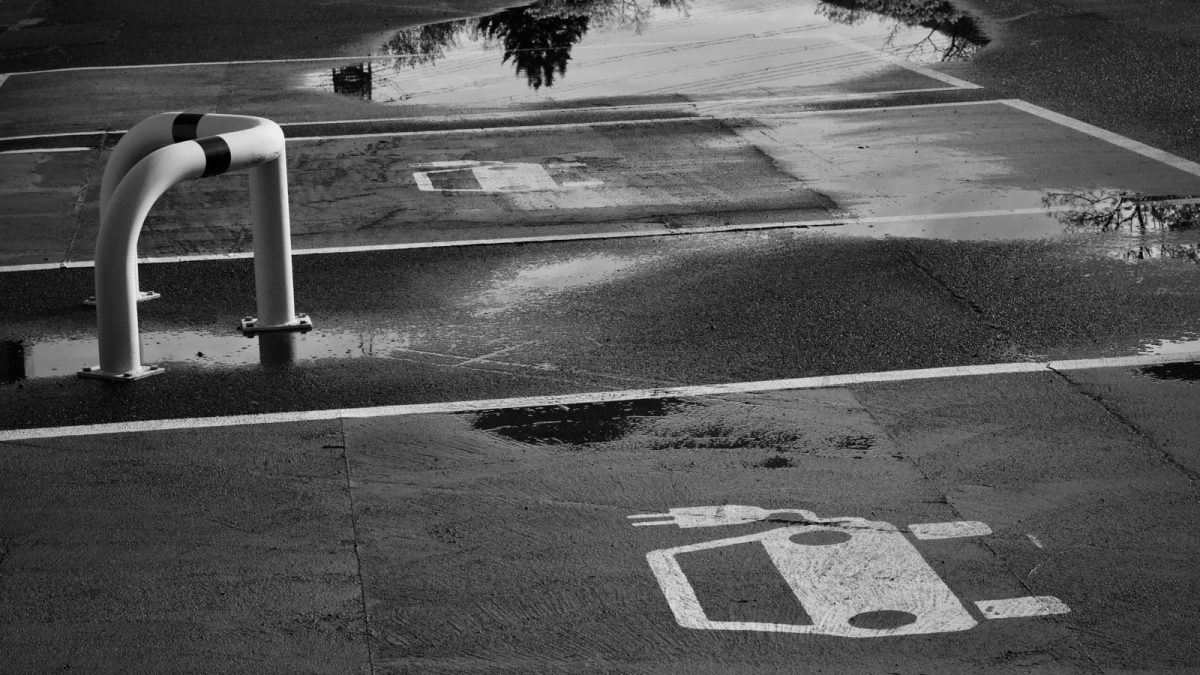
The Office for Zero Emission Vehicles has told English councils the decision to allow cross-pavement EV charging on public highways is theirs, with permits and safety checks to apply.
The guidance applies to England only. It covers policy design, permissions, minimum installation standards, liability and case studies.
OZEV said the market is at an early stage, with a variety of solutions trialled by local authorities that have shared their processes and learning points.
The most common solution is the cable channel, often called a gully: a proprietary system set into the pavement that temporarily houses the charging cable while the vehicle charges. The cable is removed afterwards.
The second type is a permanent cable laid under the pavement, connecting the home supply to the kerbside through a removable bollard, charging lance or other connector.
OZEV said installations are more commonly started by a resident wanting to charge at home than by a council.
Who has to act
Permissions can sit with different bodies. In two-tier areas, OZEV said, the highway authority will generally be the upper tier, while the planning authority will generally be the lower tier.
Councils in those areas are encouraged to bring planning departments and EV teams together to coordinate the process. Where a road has not been adopted by the highway authority, the resident should seek permission from the landowner instead.
Work on the highway needs a permit from the highway authority under the Traffic Management Act 2004 and must follow the New Roads and Street Works Act 1991.
Relevant permissions may also include section 178 permission under the Highways Act 1980 and section 50 licences or work permits.
On planning, the government introduced a new permitted development right for eligible cross-pavement solutions from 21 October. It also amended the existing rights for domestic EV charge points.
Local planning authorities can also use local development orders to grant permission for cross-pavement solutions, so installations covered by an order proceed without individual planning applications.
Traffic regulation orders are not normally needed, OZEV said, because the infrastructure is not generally accompanied by reserved parking. They are needed if a council wants to designate on-street parking bays.
A cross-pavement installation gives the resident no ownership of, or priority for, the space outside their home, and OZEV said councils should make that clear. A designated disabled bay may be an exception.
OZEV said a council "should be satisfied the solution meets construction, safety, accessibility, and other standards before agreeing to the apparatus being installed on a public highway".
No specific British standard exists for cross-pavement charging. OZEV points to BS EN 124-2015 on gully tops and manhole tops, and BS EN 1433-2002 on drainage channels.
Charging equipment must comply with BS 7671, including the proximity of a charging vehicle to separately earthed equipment such as another charging vehicle or a lamp post.
Councils are advised to keep a record of the location and type of each installation and who maintains the apparatus. Site checks include pavement construction and width, double yellow lines, crossings, junctions, utility covers and tree roots.
Electrical safety requirements can go into the agreement a resident signs before installation. OZEV said councils may also consider periodic inspection or testing of the electrical installations.
Funding comes through the EV Pavement Channels Grant for English councils. The Department for Transport also lists a separate form for installers to claim the chargepoint grant for households with on-street parking.
Councils weighing demand for several installations in one area may look at shared arrangements, which the guidance says are often called community charging or peer-to-peer charging, within wider EV charging policy.
More on EVs & Charging
- Electric vans take 12.9% of UK van sales in October as the ZEV mandate target for 2026 stands at 24%
- SMMT reports UK car registrations up 5.4% to 152,730 in October as BEV share hits 32.0% against 33% target
- Review for DfT puts public EV charging at 17p to 20p a mile, against 2p at home and 22p for petrol
- Treasury sets up taskforce to test home electricity tariffs at slow EV chargers and adds £100m from 2027