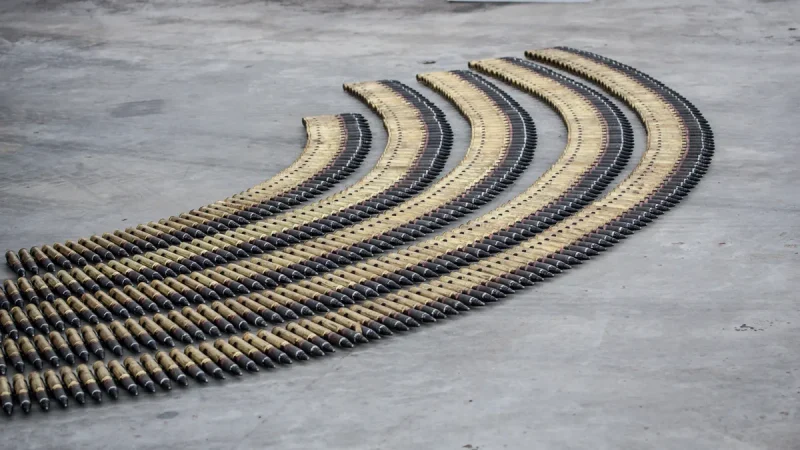
Lockheed Martin Missile Production Gets $300M Texas Plant Expansion
Lockheed Martin (LMT) is putting $300 million into its Grand Prairie, Texas facility, a move that converts contract...
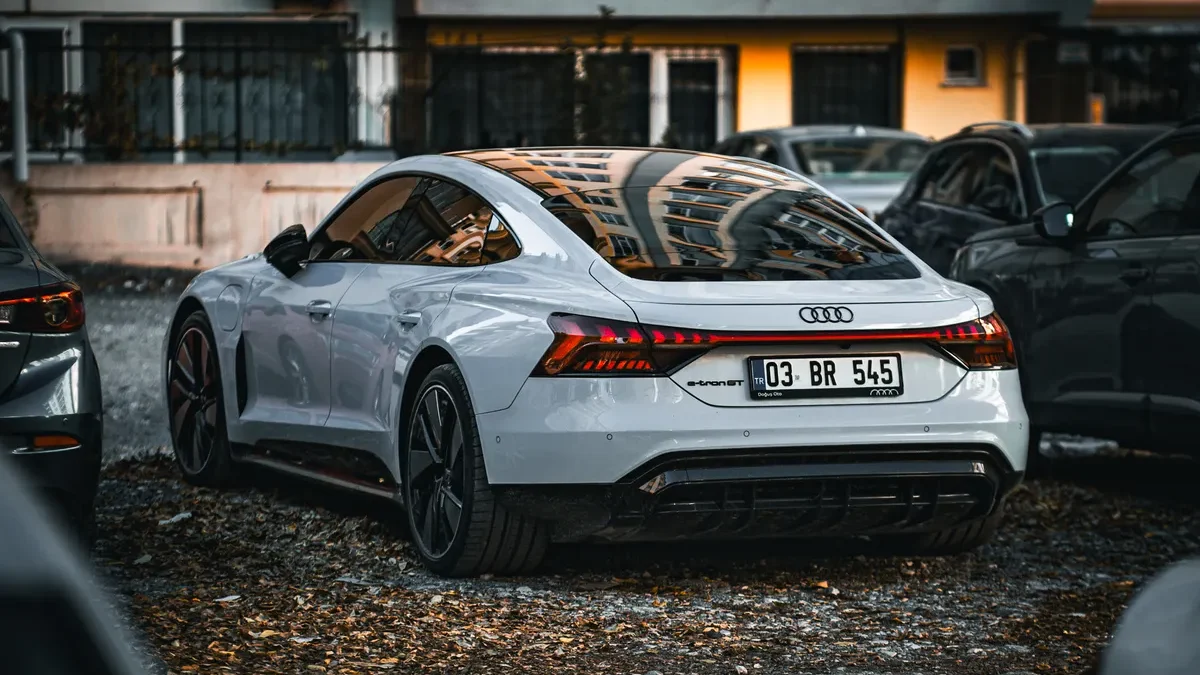
Tesla’s (TSLA) Roadster reveal makes the Tesla-SpaceX merger case more convincingly than it sells a car. The October 15 event at a SpaceX rocket test facility in McGregor, Texas (per the Wall Street Journal) offered spectacle, no price, and headline performance figures that belong to a variant no one can legally drive on public roads. Read that way, the Roadster is a corporate pitch dressed as a product launch.
Tesla will offer three variants of the second-generation Roadster. The road-going Performance model reaches 60mph in under 1.6 seconds; the limited Thrust adds rear thrusters and cuts that to under 0.9 seconds. The sub-0.59-second sprint and top speed above 230mph belong to the single-seat, invite-only Rocket, which Tesla’s own website states is not approved for public roads.
The engineering behind the stunt is genuinely novel. Compressed gas stored in carbon-fiber overwrapped pressure vessels generates four to five times the force the tires can handle, overcoming the traction limit that caps conventional acceleration. Active wings driven by Optimus-derived actuators deliver what Tesla claims is downforce approaching Formula 1 levels. All of that let the show car drive upside down, launch off a ramp, rotate, and land on its wheels.
The trouble is commercial. The Rocket variant is invite-only and not street-legal. The Thrust, a limited-run race variant, carries a $250,000 deposit requirement. The road-going Performance model offers roughly half the 620-mile range Tesla promised when it first prototyped the car in 2017, two seats instead of four, and no disclosed price (though Tesla quoted a $200,000 base in 2017). Production, Musk said, begins in 2028, eight years after the original 2020 target.
Tesla is again collecting deposits: $5,000 due immediately, a further $45,000 within ten days, totaling $50,000 for the Performance. The bear read is obvious: this is a low-volume, high-prestige product from a company whose core car business has, at best, treaded water for two years.
Standing in front of the crowd, Musk told them: “You’re going to see the results of what happens when you have a collaboration with the world’s best car company and the world’s best rocket company.” That framing is worth sitting with, because the Roadster’s entire engineering story is a SpaceX story: thrusters, pressure vessels, and Optimus actuators are all borrowed technology.
Gene Munster of Deepwater Asset Management was direct: “It was an engineering flex with no commercial value beyond embarrassing traditional car makers. The Roadster event is the latest example of why Elon can’t wait to bring (Tesla) and (SpaceX) together.”
The circumstantial case is building. Musk has said Tesla overlaps “on so many fronts with SpaceX,” citing the Terafab chip project as one example. Since SpaceX acquired xAI, which controls X (formerly Twitter), SpaceX-owned Grok AI now appears inside Tesla vehicles. The Roadster reveal itself echoes the 2016 Solar Roof launch that preceded Tesla’s acquisition of SolarCity, a template investors should remember.
The regulatory backdrop adds pressure. NHTSA has opened an Audit Query investigating Tesla’s self-certification that its Cybercab meets Federal Motor Vehicle Safety Standards, triggered by the commercial deployment of driverless Cybercab vehicles in Austin, Texas. Tesla faces a 30 October deadline to respond. Questions about the Roadster’s own street legality (no exterior mirrors, and Musk’s own concession that it is “not necessarily a safety optimised car”) land in that context.
Meanwhile, the business that actually matters is reporting soon. According to Tesla’s Q3 2026 production and deliveries release, the company delivered 486,532 vehicles last quarter, with Model 3/Y accounting for 478,237 of those and other models just 8,295. The earnings webcast is scheduled for October 21, 2026. That is the number that actually moves the stock, not the Roadster’s thruster count.
The investment read is this: if the Roadster is a merger argument, the question investors need to answer is whether a Tesla-SpaceX combination creates value or simply obscures Tesla’s stalling core auto business behind Musk’s more exciting rocket company. Musk has every incentive to keep making that case. The Roadster, engineering spectacle and all, is his most theatrical version of it yet.
Lockheed Martin (LMT) is putting $300 million into its Grand Prairie, Texas facility, a move that converts contract...
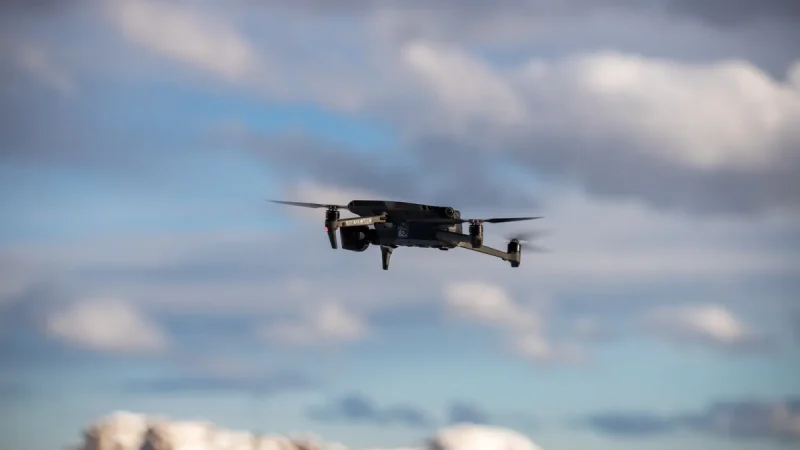
The U740 Valkyrie European flight program hit a concrete milestone on October 12, 2026, when Kratos Defense and...
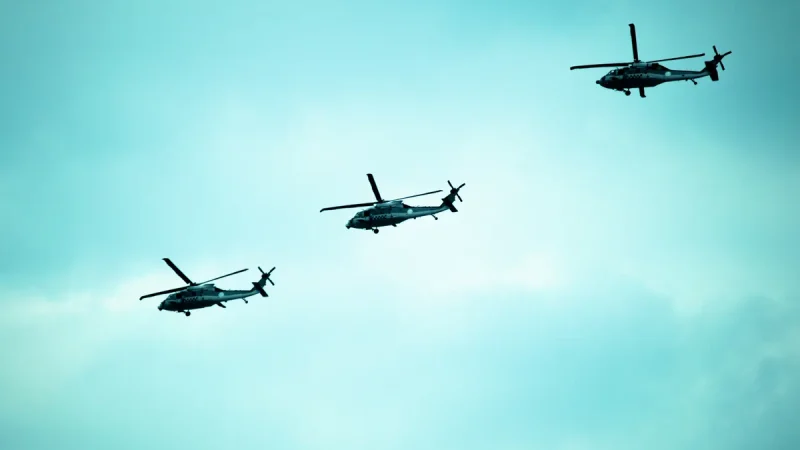
Pentagon drone production funding took center stage at AUSA’s Project Agincourt panel this week, where Defense Secretary Pete...