CCC tells Transport Secretary that weakening the ZEV mandate would likely breach UK legal climate targets
The Climate Change Committee's chair has written to Heidi Alexander warning that cutting ZEV targets would risk the Sixth Carbon Budget and add 15 million barrels of oil a year.

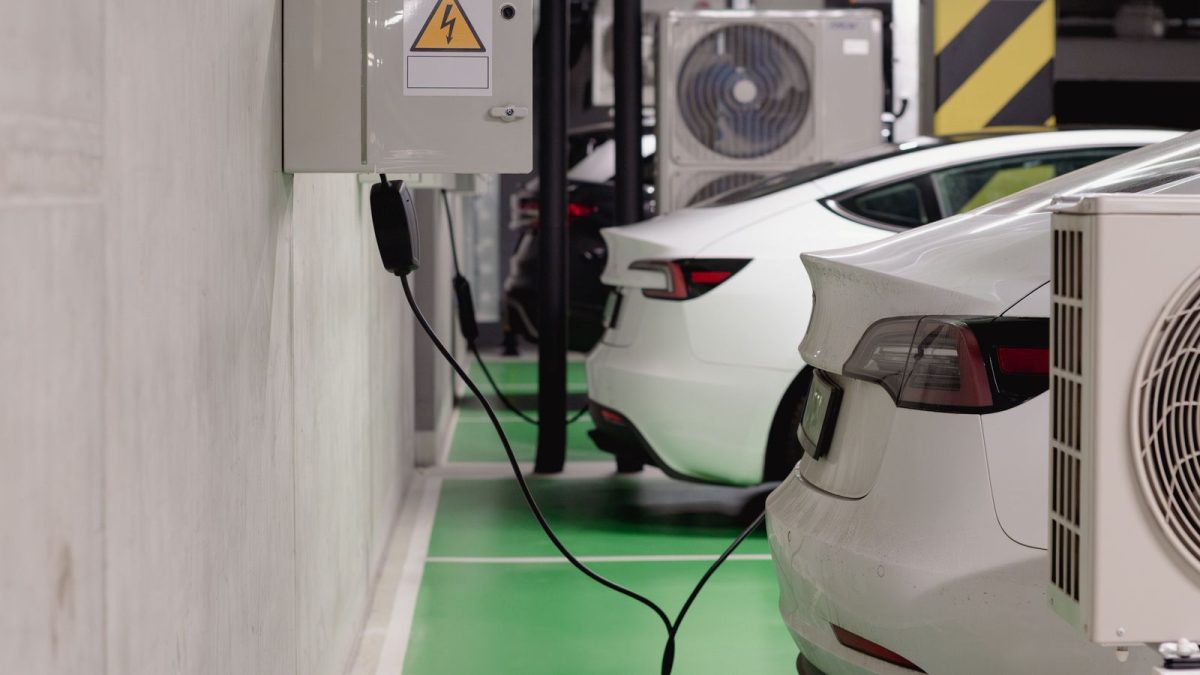
The Climate Change Committee has told Transport Secretary Heidi Alexander that the UK is likely to miss its legal climate targets if the government weakens the ZEV mandate.
Nigel Topping, chair of the committee, wrote to Alexander to set out the committee’s position on the government’s review of the mandate, which requires manufacturers to raise the share of electric vehicles they sell each year.
The consultation on the review seeks views on the current ZEV trajectory and yearly headline targets, as part of a commitment to review the scheme by early 2027.
The CCC said the government’s own impact assessment implies that cutting the headline targets would raise UK fuel consumption by 15 million barrels of oil a year by 2030.
That is oil the UK would have to buy on international markets at a cost of over £1bn a year at current prices, the committee said.
It also said a typical household can save around £800 a year by switching to an electric car.
On carbon budgets, the committee said electric vehicles deliver the largest share of emissions reductions in the government’s Carbon Budget and Growth Delivery Plan through to 2037.
Weakening the mandate would make the Sixth Carbon Budget, covering 2033 to 2037, harder and more expensive to achieve, the CCC said.
The mandate also underpins the separate carbon budgets set by the Scottish and Welsh governments and the Northern Ireland Executive, and the committee said any review must consider the effect on their targets.
Topping said: “Weakening the Zero-Emission Vehicle Mandate would miss an opportunity to reduce the cost of living for people, undermine Britain’s competitiveness, and leave us more exposed to volatile fossil fuel prices.”
The industry has lobbied for months to cut the headline target from 80% electric by 2030 to as low as 50% or 60%, the Guardian reported.
Carmakers face fines of £12,000 per vehicle under the rules. Electric cars were 26.6% of UK new car sales in the first 10 months of 2026, against a 33% headline target for the year.
The CCC letter says market growth for electric cars is ahead of the level required to meet the mandate’s current ambition out to 2030.
It recommends updating the Utility Factor for plug-in hybrids so the mandate credits real-world emissions reduction. It also calls for post-2030 phase-out requirements that maximise electric-only driving capability.
Mike Hawes, chief executive of the Society for Motor Manufacturers and Traders, the industry’s trade body, rejected the committee’s case.
Hawes said: “The CCC, however, ignores the damaging cost of the targets it defends: billions in unsustainable discounts and millions more in government incentives.”
He added that the mandate is deterring local investment, because “without a strong local market there is no business case to build here”.
Doug Parr, chief scientist at Greenpeace UK, which campaigns on climate policy, said: “The Burnham government cannot talk of climate leadership on the international stage while doing a U-turn on ZEV targets at home.”
The decision sits within wider motoring regulation and policy, where the government committed in April 2025 to define the phase-out of new cars relying solely on internal combustion engines by 2030.
A government spokesperson said: “We remain committed to the phaseout of all new petrol and diesel cars by 2030 and to all new car and van sales being zero emission by 2035, as well as to our legally binding net zero targets.”
More on Regulation
- Westall review finds 154 National Highways cameras in 22 police areas caused 2,650 wrong activations
- DfT consultation puts the 2030 ZEV target at 80% while reports say a cut to around 60% is due in mid-November
- ENVI text sets 87.5% as EU 2035 car CO2 cut, down from 100%, while UK keeps its 2035 zero-emission goal
- MEPs on Environment Committee vote 48 to 30 to cut EU 2035 car CO2 target from 100% to 87.5%