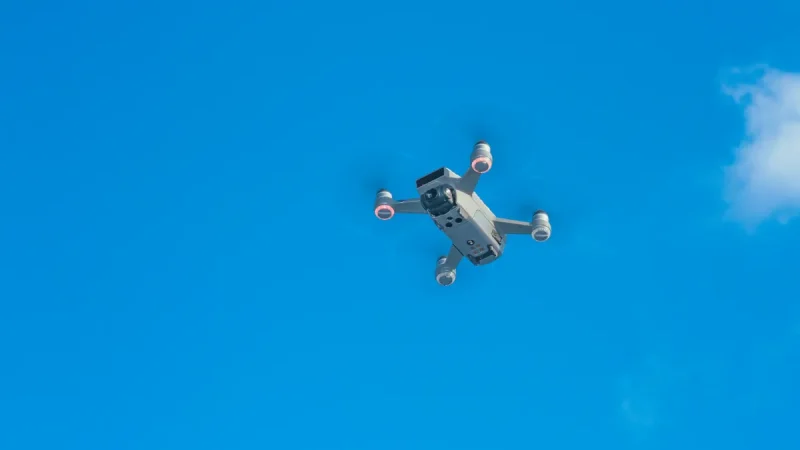
Kongsberg Poland Counter-Drone Plant to Open in 2028 With $51M Investment
Kongsberg’s Poland counter-drone factory plan, announced at the Warsaw Security Forum on October 12, is more than a...

The US Army brain health assessment program has reached 97% completion across active duty, National Guard, and Reserve forces, according to a September 30 release, but a concurrent Government Accountability Office report exposes the resource constraints that could undermine what comes next.
The milestone is real. Getting nearly all soldiers tested on the Neurocognitive Assessment Tool (NCAT) establishes the baseline data that military medicine needs to detect cognitive changes over time, including those linked to traumatic brain injury. The catch is that a baseline only pays off if the monitoring infrastructure behind it can hold.
The NCAT is a computer-based tool that records neurological activity across six cognitive domains: attention, concentration, reaction time, memory, processing speed, and decision-making, according to Defense News. Testing began in 2024, driven by mounting evidence that routine weapons training, not just battlefield injuries, can produce measurable brain effects from low-level blast exposure.
The Army identified blast overpressure as a critical occupational safety and health hazard, according to the Department of War. A DoD policy directive on traumatic brain injury, published August 8, 2024, mandated prevention measures such as stand-off distances when firing weapons, alongside periodic cognitive assessments.
Jordan Gillis, assistant secretary of the Army for installations, energy and environment, also serves as the Army’s Designated Agency Safety and Health Official. He took the NCAT himself at the Pentagon Special Missions Auxiliary Clinic on September 18, framing it as a dual obligation: “This was the perfect time to be wearing both my DASHO hat and my Army Reserve hat and to meet the requirement that I have in the Reserve but also set the example for everyone across the force.”
“By establishing a baseline for all soldiers, we’re able to monitor brain health, as well as … let medical providers help with treatment, if required,” Gillis said.
One month before the Army’s announcement, the GAO released findings that cut against the celebratory framing. Across military services, the Defense Department faces staff shortages and a lack of technology needed to conduct cognitive assessments at scale. Military department officials told the GAO they received no new resources when the blast overpressure requirements were introduced; instead, they absorbed the workload using existing capacity.
That tension matters for the Army’s timeline. The DoD’s broader cognitive monitoring program began assessing every new service member during initial military training in June 2024, with the total force projected to complete baseline assessments by the end of fiscal year 2027. The Army’s 97% figure covers its own force; the broader DoD program still has ground to cover, and it is doing so without dedicated funding.
Fort Sill, Oklahoma, home of the Army Field Artillery School, was the first initial entry training location to establish permanent cognitive testing. That starting point is telling: artillery crews face some of the highest routine blast exposure in the force, making them the logical first test case for what the program is designed to catch.
The Pentagon announced in April a one-year pilot of an app-based cognitive assessment tool that service members can complete independently. DoD officials said the app will be less resource-intensive than current assessments and will improve the ability to track blast exposures across the force. If the pilot delivers on that promise, it directly addresses the staff-shortage problem the GAO identified.
The Army is also expected to publish a directive covering a broader overpressure program, encompassing hazard assessment, exposure tracking, risk mitigation, illness and injury reporting, and training and education. The directive will formalize what the NCAT milestone represents: a shift from reactive treatment toward systematic, longitudinal brain health monitoring.
97% completion is a credible operational achievement, and the baseline data it creates has genuine clinical value. But the bull case for this program rests entirely on whether the monitoring infrastructure can keep pace. The app pilot’s results, expected within a year, will determine whether the Army’s brain health system becomes a model for the broader DoD or remains a well-intentioned program constrained by the same resource ceiling the GAO already documented.
Kongsberg’s Poland counter-drone factory plan, announced at the Warsaw Security Forum on October 12, is more than a...
Three U.S. Army soldiers received Purple Hearts for their actions during the Operation Epic Fury Purple Hearts ceremony...
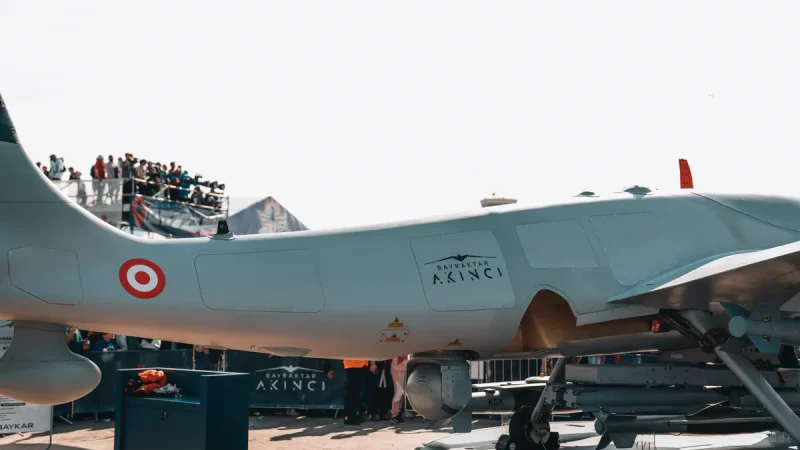
Vector Defense and Nammo announced an expanded partnership Monday at the Association of the United States Army’s annual...