
EU-China Hybrid Deal Promises a Halving, but Pushes the Pain Back to Beijing
The EU-China hybrid deal announced on October 9 in Beijing is less a resolution than a redirect: Brussels...
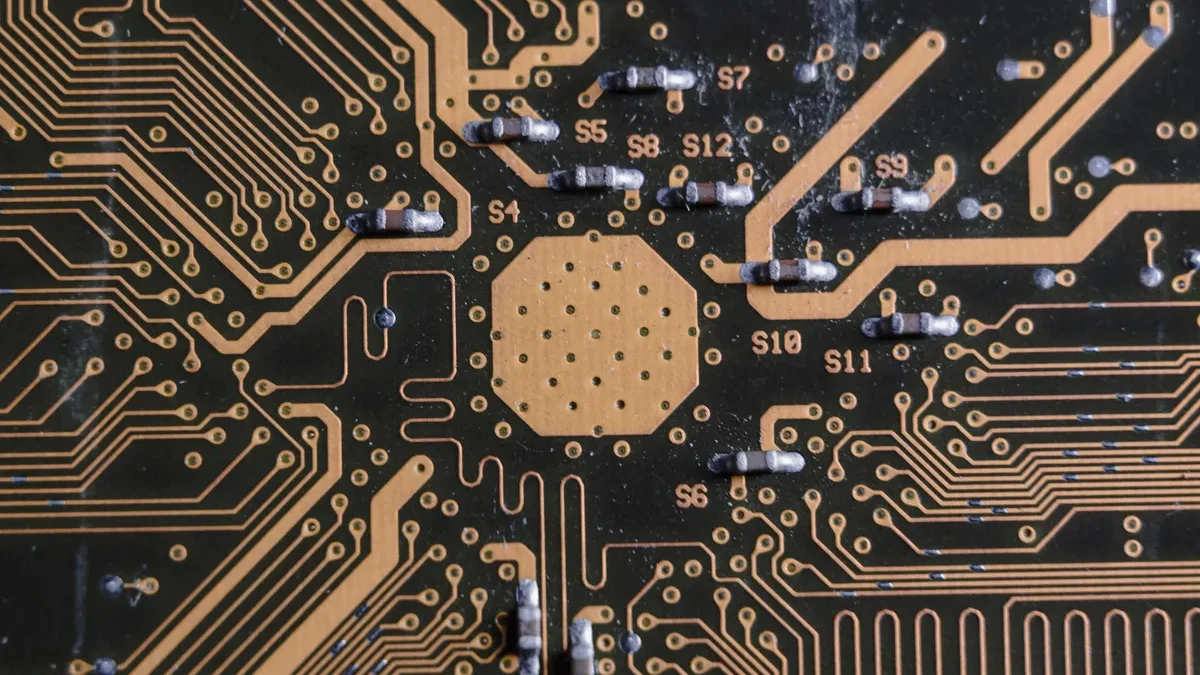
The TSMC earnings season preview is the week’s focal point, with Taiwan Semiconductor Manufacturing (TSMC) reporting Thursday as the clearest read yet on whether AI-driven chip demand is holding, or whether the semiconductor rally has gotten ahead of itself. Jim Cramer laid out the stakes Friday on Mad Money, covering a calendar heavy with bank earnings, inflation data, and one bond-yield warning that could cloud even the best corporate results.
TSMC’s Q3 2026 earnings call is scheduled for October 15, and the bar is already elevated. The company posted Q2 2026 net revenue of $40.20 billion, with a gross margin of 67.7% and an operating margin of 60.3%, according to TSMC’s quarterly results page. For Q3, guidance calls for net revenue of $44.6–$45.8 billion and a gross margin of 65.0%–67.0%, so any miss on those numbers would send a cold signal through the sector.
Cramer put it bluntly: “If it’s strong, then we could have a rally of immense proportions.” The flip side is equally true. TSMC’s revenue guidance implies sequential acceleration, and if management trims the outlook or signals demand softness, semiconductor capital equipment names across the board will feel it.
The TSMC earnings season preview also matters for the wider AI thesis. The company’s own strategic targets, as stated on its investor relations page, include a revenue compound annual growth rate approaching 25% in US dollar terms and a gross margin of 56% or higher through the cycle. With $15.0 billion in cash dividends paid in 2025, TSMC has been backing those targets with cash. Thursday’s print either validates the AI build-out spending cycle or raises the first credible crack in it.
Before TSMC speaks, ASML reports Wednesday and will set the setup. Cramer said a guidance raise from ASML would be the trigger to buy Lam Research and Applied Materials, which he called his two favorite semiconductor capital equipment stocks. That sequencing matters: ASML tells you what chip fabs are ordering; TSMC tells you whether end demand can absorb it.
Worth noting: when ASML last reported a quarter that disappointed investors, the company had warned of a significant expected sales decline in China and guided fourth-quarter 2024 sales to €9.2–€9.8 billion, according to CNBC’s coverage of those results. China exposure and geopolitical risk remain live variables in any ASML read-through.
Goldman Sachs (GS), Wells Fargo (WFC), JPMorgan Chase (JPM), and Citigroup (C) all report Tuesday, October 13, alongside Johnson & Johnson (JNJ). Cramer’s read is that recent weakness in bank stocks has created room for a positive surprise, with the pain already priced in.
Goldman enters the week with credibility to burn: the firm reported Q2 2026 earnings per share of $20.98 and an annualized return on common equity of 23.5%, per Goldman’s quarterly earnings releases. Cramer expects bond issuance and trading revenues to offset slower dealmaking. Wells Fargo, where he sees an attractive valuation and improving metrics, is his other favored name in the group.
JPMorgan is the exception. Cramer’s view is that JPM trades at a premium that demands near-perfect execution, leaving little margin for a miss. Citigroup, led by CEO Jane Fraser, is a show-me story: Cramer wants evidence of a rebound, not a promise of one.
On Johnson & Johnson, Cramer made a contrarian call: buy it if it sells off on earnings, not before. “With 18 potential blockbuster drugs in the pipeline and among the best cardio and oncology franchises, J&J needs to be bought when it gets crushed,” he said. Bank of America (BAC), Morgan Stanley (MS), and BlackRock (BLK) follow Wednesday, with Cramer particularly focused on Morgan Stanley’s wealth management division as the growth driver that separates it from pure investment-banking peers.
Cramer’s sharpest warning was not about any individual company. It was about rates. “We have earnings, we have to worry about oil, and we have to start accepting that we’ll have a plus 6% long bond because of demand for money, from both the Treasury department and private enterprise, chiefly data center investments,” he said. “When it comes to bonds, there’s too much supply and not enough demand for the moment. It’s coloring everything and we need to respect how challenging the market can be when interest rates head inexorably higher.”
The consumer price index on Wednesday and the producer price index on Thursday give inflation the last word before the Federal Reserve’s next policy window. If those readings fail to ease, even a strong TSMC print may struggle to hold gains in a market where the long end of the curve is the dominant variable. The week’s earnings calendar is strong; the macro backdrop is the constraint.
The EU-China hybrid deal announced on October 9 in Beijing is less a resolution than a redirect: Brussels...
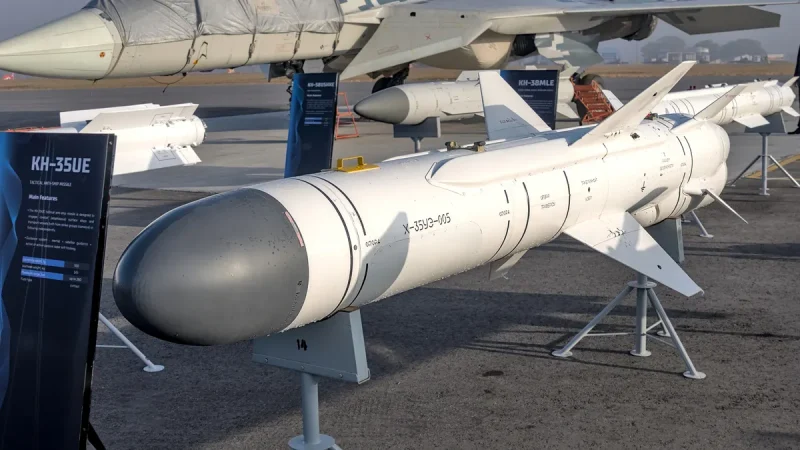
The Pentagon awarded Raytheon a Raytheon SM-3 Block IB contract worth up to $6.3 billion on October 8,...

Xiaomi Sky Nomad orders crossed 70,000 in the model family’s first month, a result that lifted the stock...