
SMMT says ZEV mandate needs 265,000 more BEV sales in Q4 to hit 33% as consultation closes
With the ZEV mandate consultation closing on 23 October, SMMT says BEVs hold 26.2% of registrations against a 33% target for 2026, with 265,000 more needed in Q4.

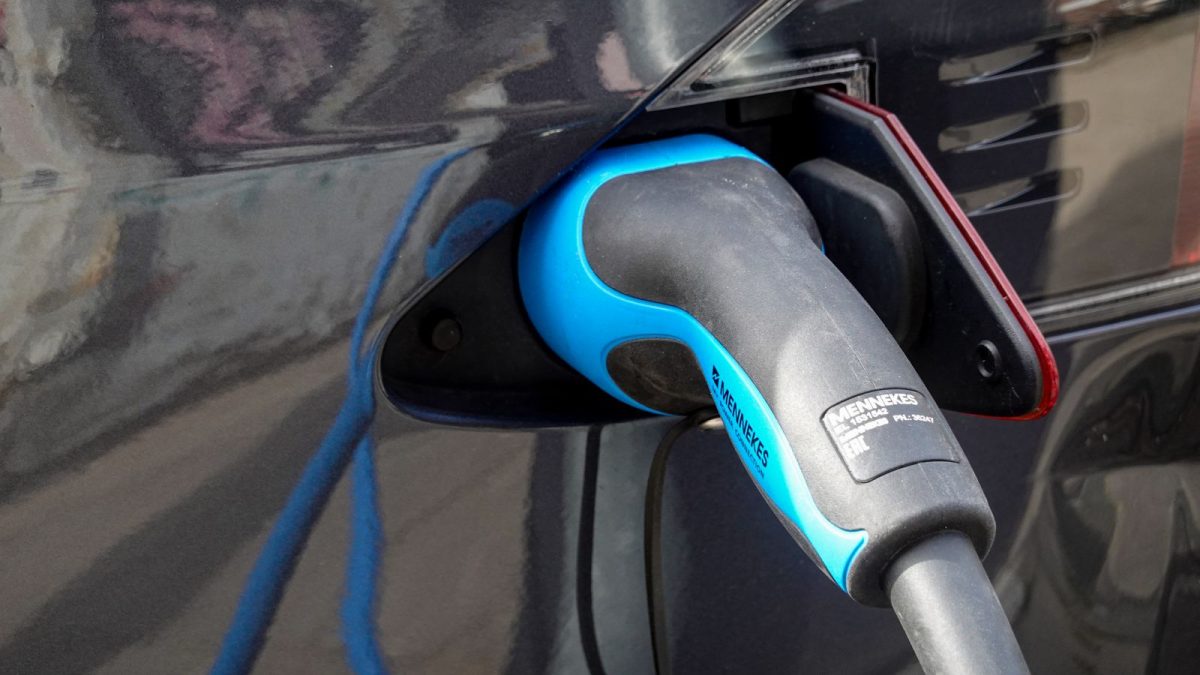
The UK car industry has told government that electric car sales are rising but still trail the 2026 mandate, as the consultation on the Zero Emission Vehicle (ZEV) Mandate reaches its 23 October 2026 close.
What the mandate requires and where registrations stand
The latest SMMT registration figures show 454,947 new battery electric vehicles (BEVs) registered in the first nine months of 2026. That is a 26.2% share of registrations, which the trade body describes as “significantly below the 33% mandated for 2026 and behind even last year’s target of 28%.”
September itself was a record. BEV registrations climbed 36.3% to 99,201 units, and the BEV portion of the market was up five percentage points to 28.3%. The total new car market grew 12.0% to 350,536 units, the 10th consecutive month of growth.
| Measure | Figure |
|---|---|
| BEV registrations, January to September 2026 | 454,947 |
| BEV share, January to September 2026 | 26.2% |
| BEV share, September 2026 | 28.3% |
| 2025 mandate target | 28% |
| 2026 mandate target | 33% |
The table shows that even the record September figure sits below the full-year 2026 requirement. SMMT says that, based on its outlook for a 2.183-million-unit market, a 33% share “would require an additional 265,000 new BEV registrations in the final quarter alone.”
The industry case for reform
In a statement as the consultation drew to a close, SMMT said industry is committed to the destination but needs “a route that is sustainable and realistic”. It says manufacturers have invested billions to bring some 180 battery electric models to market, and billions more in subsidies to sell them at the scale demanded.
SMMT argues that demand “remains well short of mandated targets, which rise steeply over the next two years”. It also says manufacturers cannot keep making up the shortfall by discounting indefinitely, given cost pressures and global events.
The trade body wants a more realistic trajectory for cars and vans, improved compliance flexibilities, and government incentives that increase demand. It also calls for a faster rollout of affordable, reliable charging, and describes these as a package rather than optional items.
SMMT chief executive Mike Hawes said that “whilst flexibilities help, the UK still has the world’s toughest targets and highest energy costs.” The statement also points to energy costs for British factories and names the British Industrial Competitiveness Scheme, with a 30 November application deadline, as a first step.
The number of BEV models on sale has more than doubled since 2023, to 178, according to SMMT. Buyers have also been responding to manufacturer discounts and the government’s Electric Car Grant.
What government is consulting on
The Department for Transport consultation covers the operation of the Vehicle Emissions Trading Schemes (VETS) Order, known as the ZEV Mandate, as part of a commitment to review the order by early 2027. Its policy options include the current ZEV trajectory and yearly headline targets, the effectiveness of existing compliance flexibilities, and alternative policy approaches.
The consultation has five parts. Parts 1 to 4 are run jointly with the Scottish Government, the Welsh Government and the Department for Infrastructure in Northern Ireland. Part 5, on defining the 2030 phase-out of new cars relying solely on internal combustion engines, is reserved to the UK Parliament, so only the UK government is consulting on it. Evidence gathered “may inform potential future amendments to the VETS order”.
When it launched the review on 14 August 2026, the government said the legal end dates remain: “New petrol and diesel cars will be phased out by 2030 and all new cars and vans will need to be fully zero emission by 2035.” Transport Secretary Heidi Alexander said: “It’s right we keep targets under review to ensure they’re practical and back British industry. The end goal hasn’t changed”.
The government also said it is backing the transition with £7.5 billion, including £4 billion for DRIVE35 projects. It said the Electric Car Grant, worth up to £3,750, has helped more than 160,000 drivers buy an EV.
Mr Hawes welcomed the review at launch, saying it was “a timely opportunity to adjust the transition so it works for all.” Further coverage of consultations and rules sits in the regulation section.