
The BYD Vertical Integration Premium: Why the EV King is Still Rated a Wall Street “Strong Buy”
BYD’s expansive Pingshan complex in Shenzhen is one of those factory tours that leave a lasting impression. One...
Earlier this month, a digital screen flickered through a red column somewhere in the Fort Lauderdale departures hall. The word “cancelled” appeared in every line. Spirit Airlines, the low-cost airline that once typified low-cost travel in the United States, ceased operations “effective immediately.” Travelers waited for a manager who never showed up while rolling their suitcases and pressing their phones to their ears. It’s difficult not to interpret that scene as a sneak peek. The fuel doubled. Spirit was the first. Who comes in second is a question that looms over the industry.
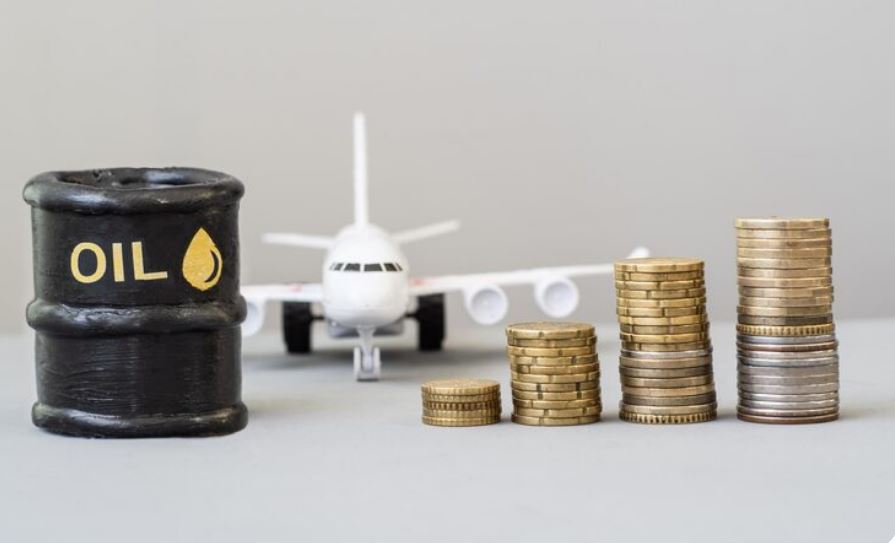
The price of jet fuel has increased from about $85 per barrel to a range that fluctuates between $150 and $200, depending on the day and the Gulf news. Every airline’s financial projections from last winter have been revised as a result of that action, which was prompted by the US-Israeli war against Iran. A doubling of the input price is not a significant increase in costs for carriers where fuel already makes up 25% of operating expenses. It’s a structural issue. An additional $2.4 billion has been added to Air France-KLM’s budget. 1.7 billion euros for Lufthansa. In addition to last year’s bill, the United States anticipates more than $4 billion. The abstract nature of the numbers quickly fades.
From the perspective of those who actually operate these airlines, there are only a few key factors that distinguish survivors from casualties. The first is the hedging position. For the time being, carriers like IAG, Ryanair, and some Asian flag carriers that locked in fuel at lower prices last year are suffering less. Hedges, however, expire. Profit “may come under a bit of pressure” once the cushion expires, according to Ryanair’s Michael O’Leary. Flexibility of the balance sheet is the second variable. A $500 million debt offering was released by Alaska Air. Simply put, Air Canada suspended its full-year guidance, which is the corporate equivalent of “we don’t know.”
How much of the cost increase a carrier can pass through to passengers without breaking demand is the third variable—possibly the most intriguing one. According to United CEO Scott Kirby, ticket prices might need to increase by 15% to 20%. Additionally, he has stated in public that United anticipates recovering only 40 to 50 percent of the fuel surge through fares in the second quarter, with an improvement to potentially 85 percent by year’s end. It’s worth pausing on that final figure. With hub power and first-rate cabins, even the most powerful US carrier is unable to fully cover the cost. Smaller carriers don’t even make an effort.
As the airline statements come in, it seems like the industry has divided into two different groups. Delta, United, IAG, Singapore Airlines, and other established airlines with strong hubs and corporate travel income are on one side. They are increasing baggage fees by ten dollars at a time, reducing capacity by three or four percentage points, and continuing the cycle. Conversely, low-cost airlines spent the years following the pandemic purchasing aircraft based on optimistic fuel projections. Routes are being dropped by AirAsia X. In April alone, SAS canceled a thousand flights. In South Korea, T’way Air is putting its cabin crew on unpaid furlough. This week, the Financial Times revealed that a number of low-cost US airlines have discreetly requested $2.5 billion in aid from Washington.
In their investor decks, the legacy carriers discussed a “new era of uncertainty.” Usually, that phrase indicates that everyone is speculating. United is modeling oil at $175 per barrel through the end of 2027. This is an intriguing decision, not because it’s necessarily correct, but because you can plan when you commit to a number, even if it’s uncomfortable. The carriers who are operating on hope are those who do not have a number. It’s easy to argue that Spirit’s model is straightforward: hedge what you can, cut what you must, and hope the strait stays open, as you watch Spirit’s flight board flicker red. However, it’s likely that the survivors will quit praying first.
BYD’s expansive Pingshan complex in Shenzhen is one of those factory tours that leave a lasting impression. One...

A Chinese car is still not available for purchase at an American dealership. Through two administrations, multiple rounds...

You’ll notice something that wasn’t there five years ago if you stroll through a BYD showroom in Bangkok...