
The BYD Vertical Integration Premium: Why the EV King is Still Rated a Wall Street “Strong Buy”
BYD’s expansive Pingshan complex in Shenzhen is one of those factory tours that leave a lasting impression. One...
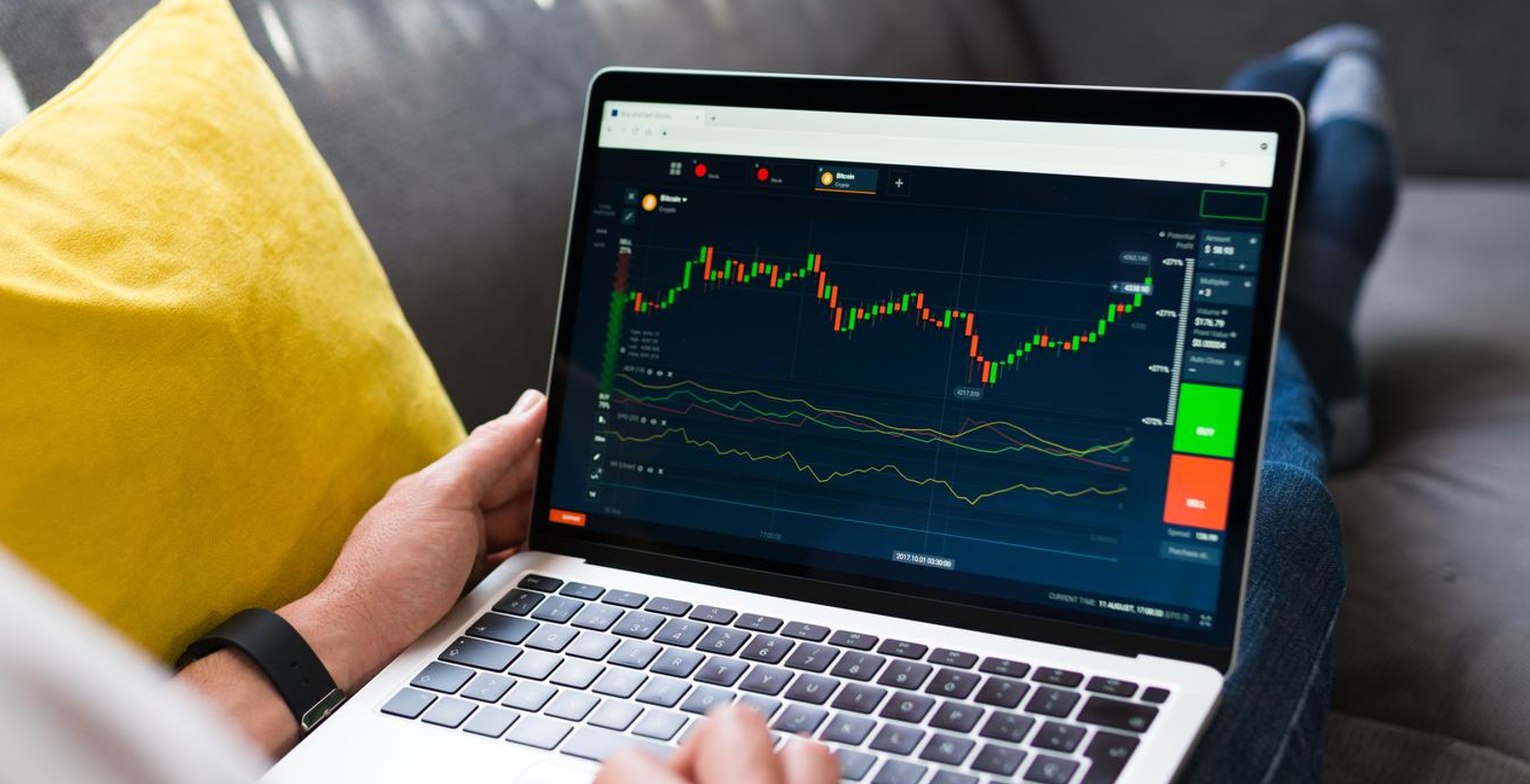
Something strange occurred on the New York Stock Exchange floor in the afternoon of May 8, 2026. In a single session, a relatively small fund with a market capitalization of slightly over $1 billion closed up 21% after trading nearly 6.8 million times, more than tripling its average daily volume. DXYZ was the ticker. Depending on who you ask, it was either SpaceX or something more intricate.
Founded in 2020 and listed on the NYSE in March 2024, Destiny Tech100 is a closed-end fund that does something that most publicly traded vehicles do not: it owns shares in some of the world’s most sought-after private tech companies. Anthropic, SpaceX, and OpenAI. The hypersonic aircraft startup Hermeus was recently valued at $1 billion. DXYZ SpaceX I LLC, valued at approximately $54.5 million, and a separate SpaceX-linked position valued at approximately $15.9 million were listed in the fund’s annual report. DXYZ has provided the closest thing to a seat at the table for ordinary investors who are unable to write checks to venture capital firms, but at a cost.
As it happens, the price is the aspect that needs careful consideration. The actual per-share value of the underlying portfolio, or Destiny Tech100’s net asset value, was roughly $19.97 as of the end of December 2025. On May 8, the stock closed at $54.60. That represents a premium of about 173% over the official value of the fund’s assets. Investors are purchasing more than just exposure to Anthropic and SpaceX. For the privilege of doing so, they are paying nearly three times the assessed value. Depending on how you believe SpaceX’s planned initial public offering (IPO) will play out and what the private holdings are truly worth when valuations are reevaluated, that may or may not make sense.
The majority of the recent excitement is being driven by the SpaceX angle. This week, reports surfaced indicating that the Elon Musk-led business is considering a summer initial public offering (IPO) with a potential valuation of close to $1.75 trillion. If that valuation is even directionally correct, DXYZ’s positions in SpaceX-linked structures suddenly appear more intriguing. That’s a big enough number to confuse many calculations. The NAV figure on paper appears to be underestimating what the portfolio would fetch in a real liquidity event, at least according to investors. They might be correct. Additionally, if the market cools or the IPO timeline slips, premium may compress violently.
Here, there’s another level of complexity that needs to be acknowledged. Cathie Wood of ARK Invest, a competitor in the same market with her own private tech vehicle, publicly contended that investors are paying “a much higher price point” for daily liquidity due to Destiny’s premium setup and fee structure. Over a multi-year holding period, it is difficult to overlook the expense ratio, which stands at 4.98% annually. The company also described an up to $1 billion at-the-market share offering through Jefferies in a February SEC filing. If circumstances permit, more shares may go on the market. Although it’s not a deal-breaker, share dilution is a factor that is often disregarded when a stock is doing well.
It’s difficult to ignore how much of the excitement surrounding DXYZ is actually excitement about the fund’s potential future rather than its present state. The fund recently revealed that after year-end, it acquired approximately $127 million in new exposure to Anthropic, CHAOS Industries, and Hermeus. In a limited sense, CEO Sohail Prasad’s description of the mission as opening doors to businesses that most people would otherwise be unable to access is accurate. However, Jack Shannon of Morningstar identified the structural risk in 2024 with some accuracy: when premiums are high, money essentially moves from late buyers to early entrants when sentiment changes. Just because the underlying names are appealing doesn’t mean that dynamic vanishes.
In the end, DXYZ is a wager on timing rather than quality. The holdings are truly fascinating. The price movement tends to mask the actual risks associated with the structure. The decision actually resides somewhere in between those two facts.
BYD’s expansive Pingshan complex in Shenzhen is one of those factory tours that leave a lasting impression. One...

A Chinese car is still not available for purchase at an American dealership. Through two administrations, multiple rounds...

You’ll notice something that wasn’t there five years ago if you stroll through a BYD showroom in Bangkok...