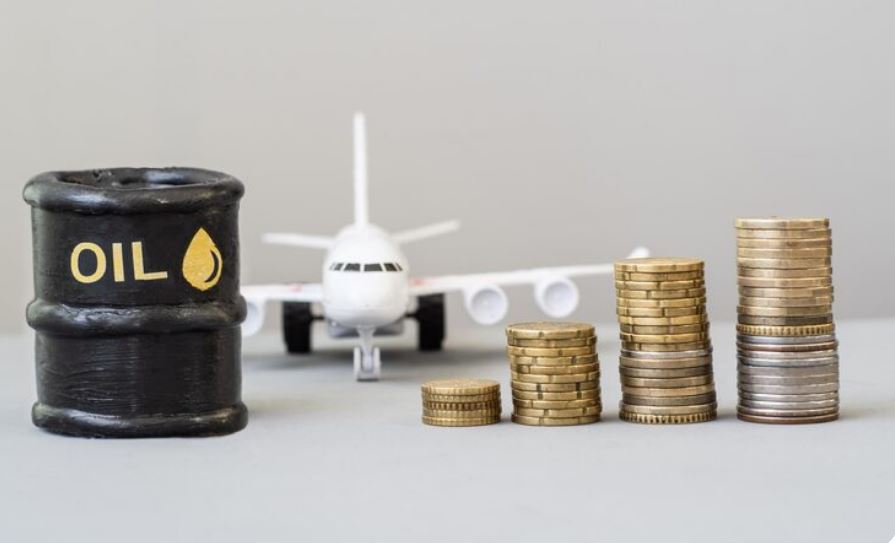
Jet Fuel Is Up 100% and Airlines Are Paying the Price, Here’s the Financial Model That Separates Survivors From Casualties
Earlier this month, a digital screen flickered through a red column somewhere in the Fort Lauderdale departures hall....
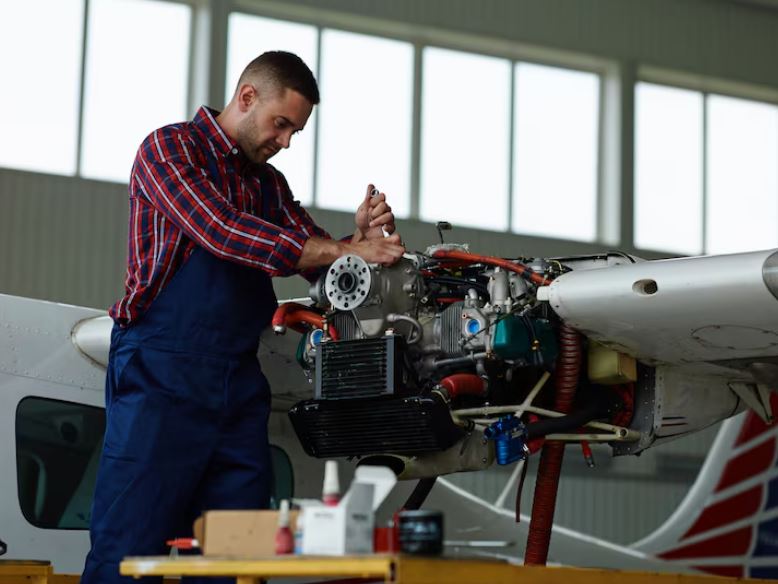
The math just works in a quiet area of aviation finance. The majority of the work in the leasing industry is being done by engines rather than airframes, and for reasons that the investment community as a whole took surprisingly long to realize. If you stroll through any major maintenance hangar in Miami, Singapore, or Dublin, you will see them waiting for their next contract while lined up on stands covered in protective plastic. They are all worth more than the majority of office buildings. Even when it’s not flying, they are all making rent.
Over the past five years, institutional money has entered this market with such assurance that it is difficult to ignore. Stakes in engine portfolios are now held by pension funds that previously avoided anything with wings. The Gulf’s sovereign wealth has flooded spare-engine pools. Checks for green-time leasing platforms are being written by family offices, which have historically been cautious. Investors believe that aviation leasing is one of the few remaining alternative asset classes with real, contractually documented cash flow that is remarkably resilient to the kinds of shocks that destroy other portfolios.
The appeal begins with a straightforward idea. Rent is paid by a leased engine on-wing each month while it is in operation, typically under multi-year contracts. When you add maintenance reserves—those quarterly payments airlines make to cover future shop visits—you begin to understand why the model remains stable over time. Cargo operators kept their fleets in the air, engine lessors continued to collect even during the worst months of the pandemic, when passenger planes sat idle on desert taxiways. Of course, not all of them. However, the asset class discreetly demonstrated its thesis.
Mobility, which is more crucial than it may seem, is what sets engines apart from complete aircraft. In a matter of weeks, an engine from one carrier’s 737 in Indonesia can be bolted onto another’s 737 in Brazil. Because they carry baggage related to certification, configuration, and registration, aircraft are more difficult to redeploy. Engines are lighter. Because of their portability, lessors see them more as independent financial instruments with distinct revenue streams, residual value curves, and remarketing strategies than as equipment.
Contracts for power-by-the-hour have also altered the discourse. Unpredictable overhaul costs are transformed into something akin to a utility bill because airlines pay a fixed rate per flight hour. For investors, this means that the worst-case scenario—a sudden $4 million shop visit that reduces returns—is mitigated over the course of the lease. The model is not flawless. The industry is still debating whether reserves accurately reflect the inflation of today’s parts, and mispricing PBH can quickly hurt margins. However, the structure has endured, which is one of the reasons new players continue to finance these agreements.
What occurs at the conclusion is another issue. The CFM56s and V2500s, two older engines that drove a whole generation of single-aisle aircraft, are now making far more money than anyone could have predicted ten years ago. New deliveries have been delayed by supply chain bottlenecks at GE Aerospace and Pratt & Whitney, and airlines are paying premium rates for green-time leases on engines that should, by conventional wisdom, be retired in order to maintain capacity. It’s unclear if this will continue. Engines with new technology might catch up. Or they might not. In any case, the older assets continue to produce.
As one watches this unfold, it seems as though engine leasing has evolved into what real estate was for a previous generation of alternative investors: dull, tangible, contractually anchored, and subtly outperforming. That might be a generous read. Markets change. But for the time being, the money keeps coming in, the rent keeps coming in, and the engines keep running.
Earlier this month, a digital screen flickered through a red column somewhere in the Fort Lauderdale departures hall....
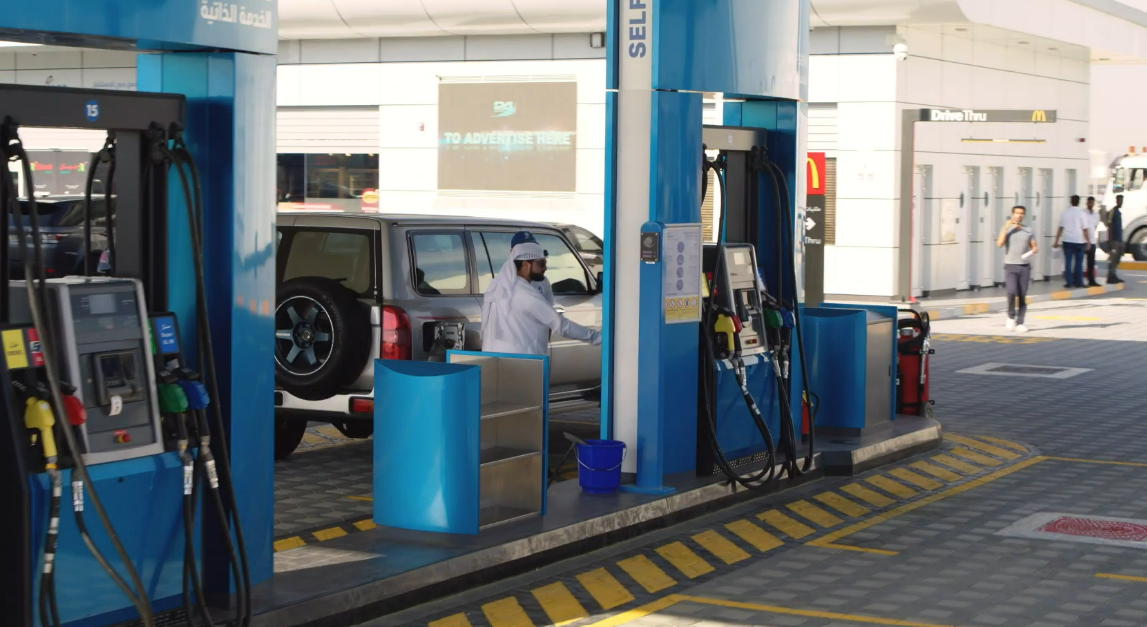
Three days after the United Arab Emirates formally left OPEC, on May 4, 2026, ADNOC hosted its first...

Watching the largest inheritance tax bill in the world discreetly pay its last installment has a peculiar theatrical...