
Lockheed and Embraer Battle for India Military Transport Aircraft Deal
India’s military transport aircraft competition, a $10.5 billion procurement for 60 medium transports for the Indian Air Force...
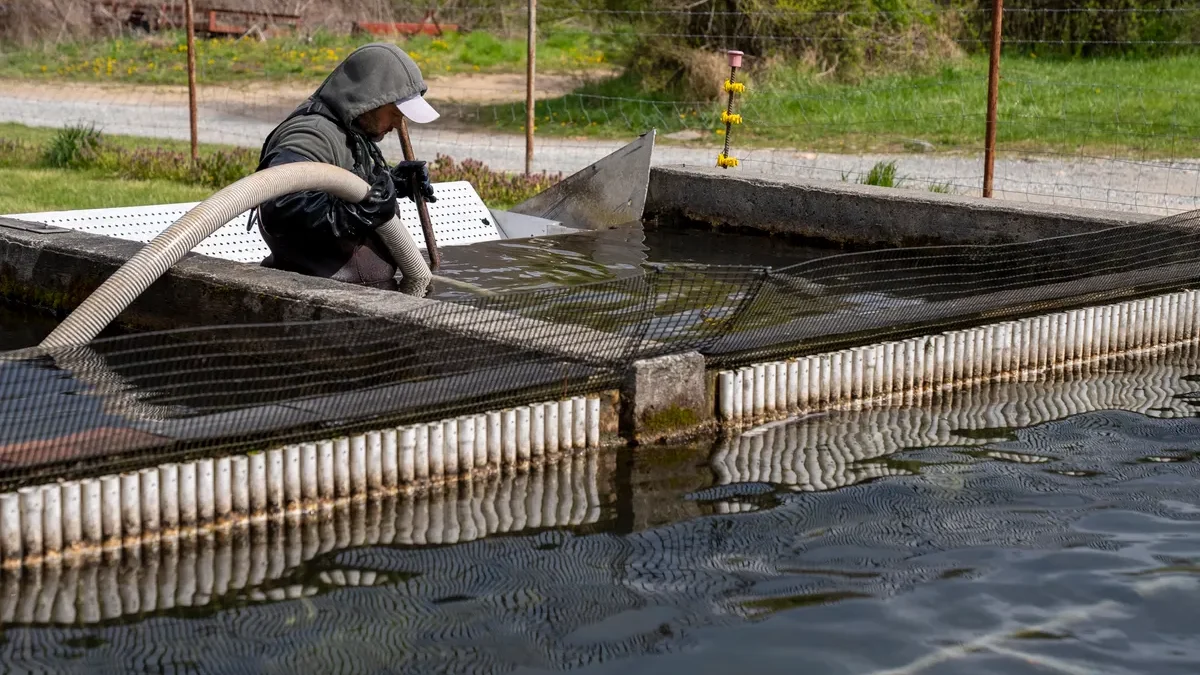
Mazda microalgae biodiesel has cleared its first institutional hurdle: Japan’s New Energy and Industrial Technology Development Organization (NEDO) has selected Mazda’s project for its fiscal 2026 decarbonisation program. The selection validates Mazda’s bet that diesel engines still have a role in its lineup, provided the fuel powering them can become carbon-neutral.
The official project, titled “Development of High-Density Microalgal Biofuel” per the Mazda newsroom announcement, targets real-world deployment of hydrotreated vegetable oil (HVO) refined from algae-extracted lipids. Mazda will handle algae cultivation and lipid extraction; Idemitsu Kosan takes on the conversion process from lipid to finished HVO.
The end goal is direct and commercially concrete: use the fuel as factory fill for every diesel vehicle produced at Mazda’s Japanese plants from the early 2030s. That is not a research milestone, it is a supply-chain commitment, which is why NEDO backing matters beyond the headline.
The supply-chain rationale is also driven by a market reality. Mazda has flagged that demand for HVO derived from waste cooking oil is expected to surge, creating supply shortages and upward price pressure on that feedstock, according to Mazda Stories. Microalgae offers an alternative that does not compete with food production or accelerate deforestation, which is a material advantage over palm- or soy-based inputs.
The bear case is straightforward and the company has not really disputed it. Mazda’s research on microalgae-derived fuel stretches back to the 2010s, yet the current output stands at more than one litre of fuel over roughly two weeks from a 1,000-litre cultivation tank. Supplying factory fill across an entire Japanese diesel production run is a different order of magnitude.
Mazda has disclosed no production targets and no funding figures. NEDO’s selection grants government program participation, not a blank check. The company has not quantified how far current yields need to rise to reach commercial viability, which leaves the most important variable unanchored.
The academic partnership adds some credibility to the science. Mazda and Hiroshima University are conducting joint research under the oversight of Professor Hiroyuki Ohta of the Tokyo Institute of Technology, a researcher focused on microalgae, and Professor Takashi Yamamoto, described as a world authority on genome editing, according to Mazda Stories. The genome-editing angle matters: strain improvement is one of the primary levers for driving algae lipid yields higher and costs lower, and university-grade expertise in that area is not trivial.
Idemitsu Kosan brings operational HVO experience to the partnership. The energy company already markets its own Idemitsu Renewable Diesel (IRD) product and has run demonstration tests using renewable diesel as fuel for passenger buses carrying actual customers. That is a meaningful distinction from a lab partner: Idemitsu knows what it takes to move HVO from a refinery to a real-world fuel tank.
In a statement, Takeji Kojima, Director, Corporate Leadership Executive Officer and Chief Strategy Officer of Mazda, framed the project within the company’s broader Multi-Solution Strategy: “Through the widespread adoption of biodiesel fuel (HVO) derived from microalgae, we aim to contribute to greater domestic energy self-sufficiency, sustainable regional development, and enhanced industrial competitiveness. Looking ahead to 2035, we remain committed to realizing Mazda’s vision: ‘The Joy of Driving Fuels a Sustainable Tomorrow.'”
Mazda is one of the few automakers still developing compression-ignition engines rather than walking away from diesel entirely. The microalgae program is consistent with that posture: rather than conceding diesel’s future to regulation, Mazda is trying to redefine the fuel itself. If HVO from algae reaches commercial scale, a diesel Mazda could theoretically run carbon-neutral on a well-to-wheel basis without requiring the driver to change behavior or the car to carry a battery pack.
Idemitsu’s prior commercial relationship with Mazda in motorsport suggests the two companies have a working dynamic beyond a one-off research agreement, which modestly reduces execution risk on the partnership side.
The bull read is that NEDO selection, a credible refining partner, and genome-editing expertise combine to give Mazda a defensible, proprietary fuel pathway that no pure-EV strategy can replicate. The bear read is that one litre per two weeks from a 1,000-litre tank is a long way from fleet-scale supply, and without disclosed production targets or a funding figure, the early 2030s factory-fill goal is aspiration rather than plan. The next meaningful signal is whether Mazda discloses a yield target or a capital commitment; until then, the gap between the science and the supply chain is where the risk lives.
India’s military transport aircraft competition, a $10.5 billion procurement for 60 medium transports for the Indian Air Force...
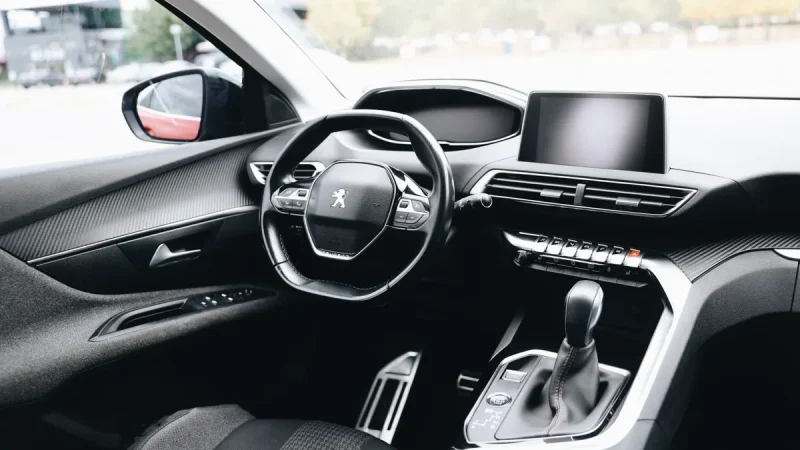
The Forvia Anand India seating joint venture, announced October 7, 2026, is the clearest sign yet that even...

The Morgan Stanley Wells Fargo upgrade, issued Monday ahead of the bank’s earnings next Tuesday, is more than...