
China Automotive Systems Is About to Report Its 2025 Full-Year Financials, The Previews Are More Interesting Than Expected
There is a specific type of business that works hard but receives very little recognition for it. For...
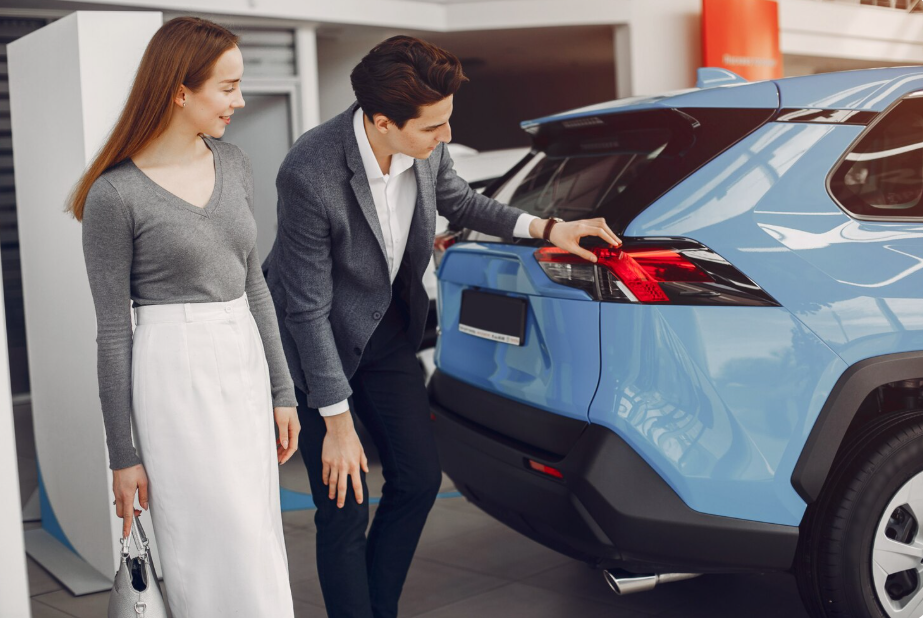
As soon as you open Chery’s stock quote, you notice something strange about it. Despite operating a plant in Barcelona, exporting to over 100 countries, and selling nearly 2.8 million cars last year, this company trades at a multiple that, by some measures, is less than five. If you’ve looked at car stocks for any length of time, that number affects your brain. Even Toyota, Ford, and Volkswagen have valuations that suggest the market, albeit reluctantly, has faith in their future. Chery’s phone number seems to indicate otherwise. Although they don’t want to pay much for it, investors appear to think the growth is genuine. The whole story lies in that gap.
The fact that the “unlisted giant” framing is no longer appropriate indicates how quickly things are progressing. Under 9973, Chery’s automotive division went public in Hong Kong.HK, so at least a portion of the mystery box has been revealed. Strangely, going public only made the question more pressing rather than solving it. Even though the export numbers are public and the financials are now visible, the share price continues to fluctuate in a range that raises doubts about its own underlying business.
Chairman Yin Tongyue gave the plan the moniker “Toyota plus Tesla” at Auto China this spring, and it has been used ever since. The goal is to combine the software-forward edge that attracts younger customers with the kind of build quality that earns decades of customer loyalty. This line sounds fantastic in a Wuhu auditorium but is brutally tested in a Madrid showroom. It may be overconfident.
It’s not empty, though. The new Tiggo V, which was unveiled at the same event and featured 76% high-strength steel and driver-assist systems, is obviously designed to make the case that safety and technology don’t have to be exclusive to high-end models. By 2030, the company hopes to assist ten million families worldwide. That is a huge amount. It’s also the type of target that rewrites the export map even if it is missed by a third.
For those who own legacy auto stocks, this is where things start to get really interesting. European automakers are sitting on unfilled factory floors. According to some estimates, Stellantis is capable of producing hundreds of thousands more cars than it can sell. Therefore, some of them are doing something that would have seemed unimaginable a few years ago: selling the Chinese space inside their own plants, rather than using tariffs to fight the Chinese at the border. Chery invested in a former Nissan plant in Barcelona. Throughout the continent, discussions about shared production lines continue to surface. It’s difficult not to interpret this as a gradual transfer of a portion of Europe’s manufacturing base, and those in charge are openly stating as much.
The part that no one has fully priced is what this does to valuations. The old reasoning that shielded Western incumbents begins to falter if a carmaker can localize production, avoid tariffs, and undercut on price while matching on features. Investors may eventually need to re-rate not only Chery but all of its rivals—possibly upward for the disruptor and downward for the incumbents. Years ago, Tesla experienced a form of this skepticism when no one could determine whether the company was a car manufacturer or a narrative. This tension is comparable.
Whether the market should be cautious or just slow is still up for debate. The US market is still a “suitable time” away rather than a plan, Chery’s first-quarter profit decreased slightly, and expenses increased. This year, the stock has decreased rather than increased. However, as you watch this happen, you get the impression that the disruption isn’t something that will happen in the future. The market hasn’t decided how much to charge for it, but it’s already in the room.
There is a specific type of business that works hard but receives very little recognition for it. For...

When an industry consistently delivers on its promises, a certain kind of weariness descends upon it. That fatigue...

These days, you notice a certain kind of silence at car dealerships. Something quieter was taking place inside...