
The BYD Vertical Integration Premium: Why the EV King is Still Rated a Wall Street “Strong Buy”
BYD’s expansive Pingshan complex in Shenzhen is one of those factory tours that leave a lasting impression. One...
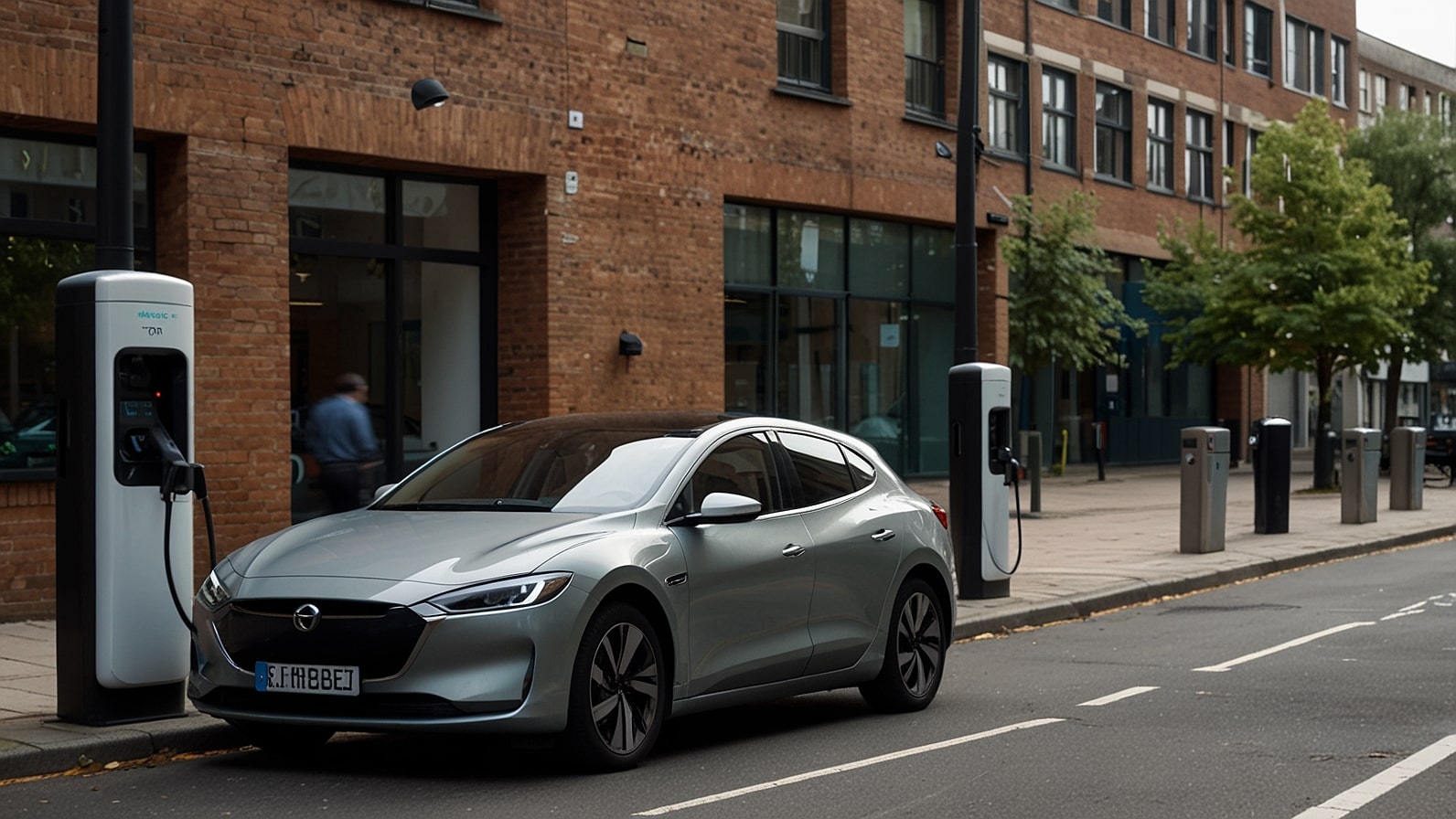
Hey there, car enthusiasts! Providing you are the type of person who likes to examine the guts of the bonnet or follow the progress in the auto news lately, you have likely been aware that the auto industry in the UK is in the midst of a gigantic transformation.
The game is shifting because of the push towards zero-emission vehicles, which is being instigated by regulations such as the ZEV mandate. It is not simply about replacing your petrol-powered car with an electric one, but it is transforming the design, manufacture and sales of cars in Britain.
Now let us go into the finer details of what is going to happen in 2025, the technicalities of these rules, and their effects on the industry or the place they put us drivers.
The main player in this game is the Zero Emission Vehicle (ZEV) mandate, which is implemented in the UK to roll carmakers towards cleaner vehicles. It began in England, Wales and Scotland last year, and is now UK-wide.
The regulations force manufacturers to sell a specified number of zero-emission vehicles, primarily electric vehicles, though also such products as the hydrogen fuel cell vehicles, every year.
The targets were initiated with 22 per cent of new car sales in 2024 and increasing to 80 per cent in 2030 and 100 per cent in 2035. The hybrids can be used a little longer in certain instances, whereas vans have a somewhat different schedule.
It is like this: carmakers earn credits by selling more zero-emission vehicles than is necessary, and they can save or sell them. When they fail to achieve the target, they are fined heavily, with fines of thousands of pounds per car for not meeting the quota. Its entire rationale is to reduce emissions in the transport sector, which constitutes a large portion of the carbon footprint in the UK, and assist in achieving the net-zero target by 2050.
This year, the government changed the regulations to allow carmakers a slight leeway. They reaffirmed the 2030 date of complete elimination of new petrol and diesel cars in April, but changed the manner of working of the targets.
These fines have been decreased by approximately a quarter this year, and the manufacturers are now able to use the CO2 credits and meet a large percentage of their targets, which are up to 90 per cent by 2025. It implies that they do not need to sell as many pure electric vehicles immediately and balance things by enhancing efficiency in other aspects.
It is more flexible, too, in 2025 and 2026. It is said that the actual EV sales are so low in order to actually make the sales this year, due to the borrowing credits in future years, that manufacturers may only have to push as many electric cars as you would imagine.
According to the government, it is about giving British businesses a boost and saving jobs. But not everyone’s happy. Other operators of fleets claim that it generates ambiguity, so it is difficult to organise their conversion to electric.
The industry is being made to reconsider all these rules. Large market participants such as Nissan and the mother company of Vauxhall are investing billions into EV technology, battery plants, and new supply chains. Yet it is not smooth sailing all the way. Even with the loosening of the rules, the industry may have to pay billions of fines this year unless EV demand recovers.
The sales of electric vehicles are increasing, by 42% over last year in January, but it is almost entirely fleets and businesses, with the tax breaks. You and I, being the buyers of these products privately, are not jumping in as fast as they are, repeatedly missing the sales targets by a long way.
Production is suffering as well, and the total output is estimated to reduce by approximately 15% in the current year, reaching approximately 755,000 vehicles. Others have already been closed down, and more than a thousand jobs have been lost in areas such as Luton.
Some are suggesting Brexit, cheap imports, such as China and global demands, but the ZEV mandate places added pressure. There is also a scramble among suppliers who are retooling in order to produce electric parts, but at an increased cost, and are lacking in supplies such as batteries.
Industry lobbyists are requesting assistance, such as tax incentives, to have more of us purchase EVs. However, there is one positive side, namely, the number of EV models on the market has increased by 30 per cent over the past year, and the manufacturers are proposing huge discounts to tackle their quotas. Still, it’s a tough road for now.
Replacing vehicles with zero-emission vehicles is not smooth sailing. Infrastructure charging is a considerable problem. Although it is improving, the rural and on-street parking locations remain underserved, making EVs inaccessible to some individuals.
Next, there is the cost- EVs may be expensive initially, despite them potentially saving fuel in the long run. There is also a skills gap in the industry. Mechanics should be trained to handle high-voltage systems, and factories should have people who are trained in new technology.
The auto industry in the UK is faced with stiff competition in the world. Cheap Chinese electric vehicles are inundating markets, and unless there is a solid strategy, another wave of jobs might be lost. The Brexit headaches, including tariffs and red tape, are also affecting exports.
Critics argue that the yearly targets of the mandate are excessive, inflexible, and some even believe that the mandate should be abandoned. Conversely, excessive relaxation of the regulations may make the EV push sluggish and deter long-term investment.
With all the troubles, there is much to get excited about. These regulations are driving innovation– consider enhanced batteries, smarter production and even hydrogen technology of bigger vehicles such as vans.
It is creating new employment opportunities in green technology centres, such as the battery plants sprouting up in the UK. More EV models will offer us drivers more options and deals, as manufacturers strive to meet their targets.
Fleets could be the solution to having things flow, pushing EV adoption as the government optimises the rules. The transition might become less difficult in the event that they include more appealing incentives, such as rethinking the tax on electric cars. The industry reached a milestone in August as the implied targets of the year were met, indicating that the shift to EVs in the UK is gaining momentum.
Ultimately, these zero-emission regulations are not mere government red tape but a step towards ensuring that the UK auto industry is going towards a cleaner, greener environment.
It has its flaws, and there is much to argue about, but if we get it right, Britain can remain a leader in the production of cars in the world. So, what do you reckon? Do you want to get plugged in and get electric or are you waiting till the dust settles? Comment on your opinion below.
BYD’s expansive Pingshan complex in Shenzhen is one of those factory tours that leave a lasting impression. One...

A Chinese car is still not available for purchase at an American dealership. Through two administrations, multiple rounds...

You’ll notice something that wasn’t there five years ago if you stroll through a BYD showroom in Bangkok...