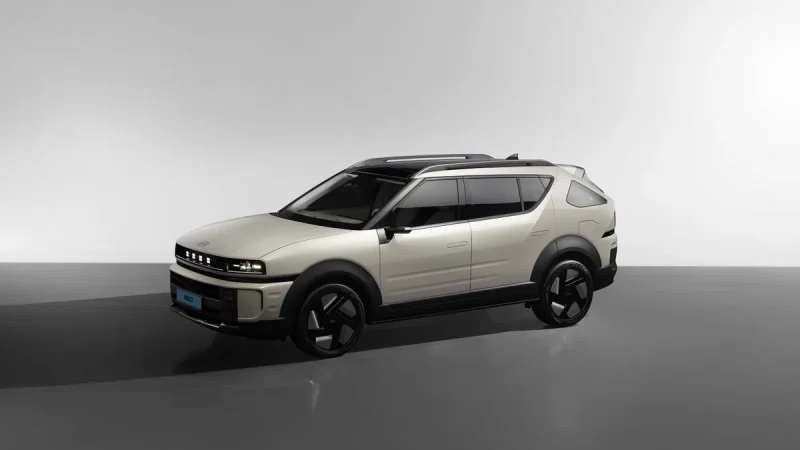
Xiaomi Sky Nomad Orders Can’t Close the 2026 Delivery Gap
Xiaomi Sky Nomad orders crossed 70,000 in the model family’s first month, a result that lifted the stock...
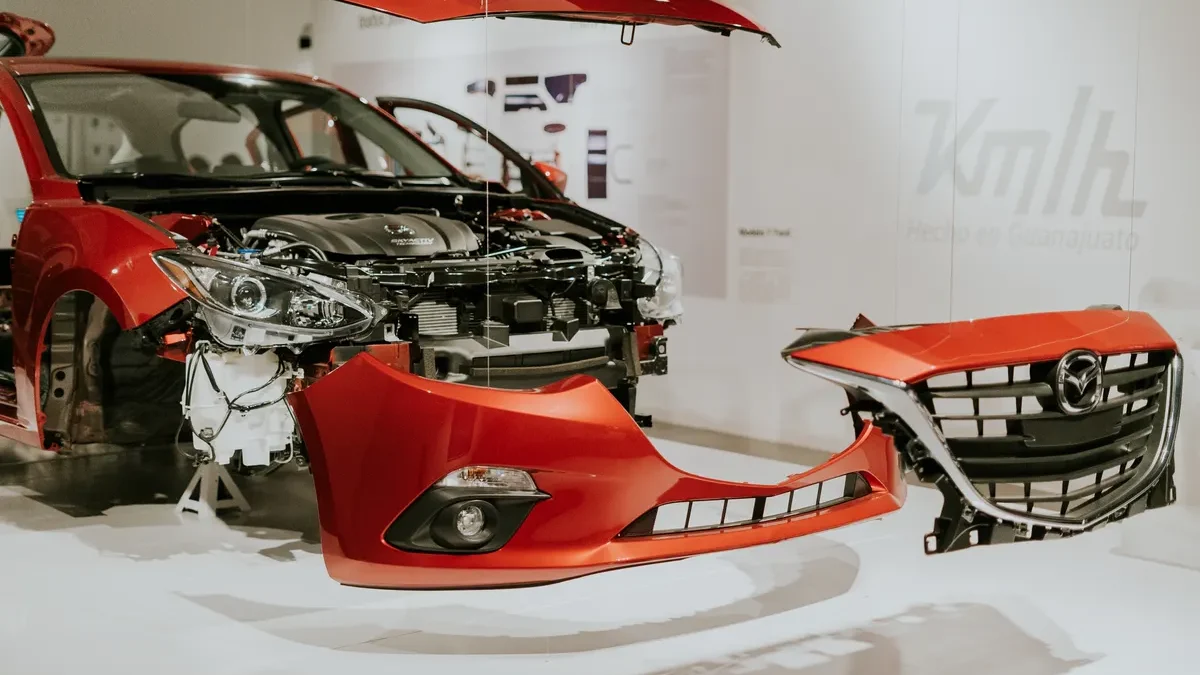
The VW restructuring communication breakdown, not the cuts themselves, is now the sharpest threat to a timely deal. An internal works council survey, published on the Volkswagen intranet, found employees and their families describing themselves as “unsettled and frightened,” directing their anger at management’s “disastrous external communication” rather than the scale of the restructuring itself.
Chief Executive Oliver Blume circulated a memo to staff on August 21, reiterating that four plants, namely Emden, Hanover, Neckarsulm, and Zwickau, are not expected to reach competitive capacity utilization through the 2030s. He also stressed that no decision on specific closures has been made. Workers want answers on which sites close, what happens to job security, and whether early-retirement and severance programs survive. None of those questions were resolved by the memo.
The sequence of extraordinary works meetings beginning in Wolfsburg on August 25 is the next pressure point. Reuters reports that Thomas Schmall, head of components and a management board member, will address workers in Braunschweig alongside Blume’s Wolfsburg appearance. These meetings are more venting exercise than negotiating session for now, but how management handles them will shape the tone of what follows.
Blume has pushed back on the communication critique, saying in July that Volkswagen “continuously” keeps employees informed “through internal channels, but above all through direct personal dialogue.” The works council survey suggests that framing is not landing. If families are frightened by what has not been said rather than by what has been proposed, the communication strategy is producing instability that a clearer, even unwelcome, plan might not.
The financial case for deep restructuring is not seriously disputed inside the company. Blume has said overhead costs run more than 30% above comparable automakers, and that current margins of 3.8% are “by no means sufficient to generate enough funds in the long term for new technologies, new products and our sites.” Zwickau’s utilization is forecast to fall from 88% this year to just 42% by 2030, a trajectory that makes its inclusion on the threatened list hard to argue against on cost grounds.
The restructuring is Volkswagen’s largest ever. The agreed-upon 50,000 job cuts are, per Blume, “not a fixed target” but “an indicator of the scale of action required,” leaving open the possibility of a further 50,000 on top, or the carve-out of entire divisions. CleanTechnica reports that Germany’s Manager Magazin described an earlier Blume plan to close four factories and eliminate 100,000 workers globally by 2030, with the supervisory board subsequently rejecting the plant-closure element of that plan.
The Guardian reports that Volkswagen’s restructuring proposal encompasses 12 initiatives, approximately 150 pages, and 45 individual resolutions for change, as Blume described it to staff. The same report notes the company is exploring converting its Osnabrück factory to defense production and considering cutting half of its model lineup to reduce factory overhead costs by 20%.
Governance complicates execution. Reuters notes that Zwickau and Neckarsulm are not covered by the Volkswagen law, so their closure would not require supervisory board approval, though union and political resistance would still be formidable. Lower Saxony, which holds a shareholding and a veto on the supervisory board, and worker representatives together control half of the board’s seats. The state’s premier and culture minister, both supervisory board members, visited the Hanover plant on August 24, a signal that Lower Saxony is not standing aside.
As an alternative to outright closure, Reuters reports Volkswagen could redirect Chinese-market model production to Zwickau, or simply stop allocating new models to threatened plants, which would achieve closure over the medium term without the political fight of a formal shutdown decision.
The Xpeng angle adds a layer that complicates the asset-disposal option. Reuters reported that Xpeng has been in talks to acquire a Volkswagen European facility, following Blume’s stated openness to sharing capacity with Chinese partners. Per the Volkswagen Group newsroom, Volkswagen completed the acquisition of approximately 4.99% of Xpeng’s total issued share capital in December 2023, following a partnership announced in July 2023. The relationship is already more than arm’s-length, which gives the factory talks strategic texture. Yet an Xpeng executive described the sites under consideration as “a little bit old” earlier in 2026, which does not suggest a bidder in a hurry.
A parallel fight over software strategy is adding a second axis of internal conflict. A report reportedly commissioned by Audi is said to sharply criticize Cariad, Volkswagen’s in-house software unit, outlining options that include dissolving it. Audi CEO Gernot Döllner is said to favor bringing in Nvidia for autonomous driving and Rivian for vehicle software; Blume wants Cariad intact. The disagreement reflects how divided Volkswagen’s sprawling brand structure remains on whether the answer to its competitiveness problem should be centralized or distributed.
Blume’s supervisory board faces two overlapping deadlines now: bridging the communication gap before the extraordinary meetings harden opposition, and resolving the plant question before the slow-motion closure of model allocation forecloses options. The risk is that political and labor leverage delays decisions long enough that the financial case for restructuring becomes academic, because the market has already moved.
Xiaomi Sky Nomad orders crossed 70,000 in the model family’s first month, a result that lifted the stock...
Delta Air Lines (DAL) slashed its Delta Air Lines 2026 outlook on Friday, cutting full-year adjusted earnings per...
The Tesla (TSLA) production outlook for 2026 points to a genuine volume recovery, but the more pressing question...