
Xiaomi Sky Nomad Orders Can’t Close the 2026 Delivery Gap
Xiaomi Sky Nomad orders crossed 70,000 in the model family’s first month, a result that lifted the stock...
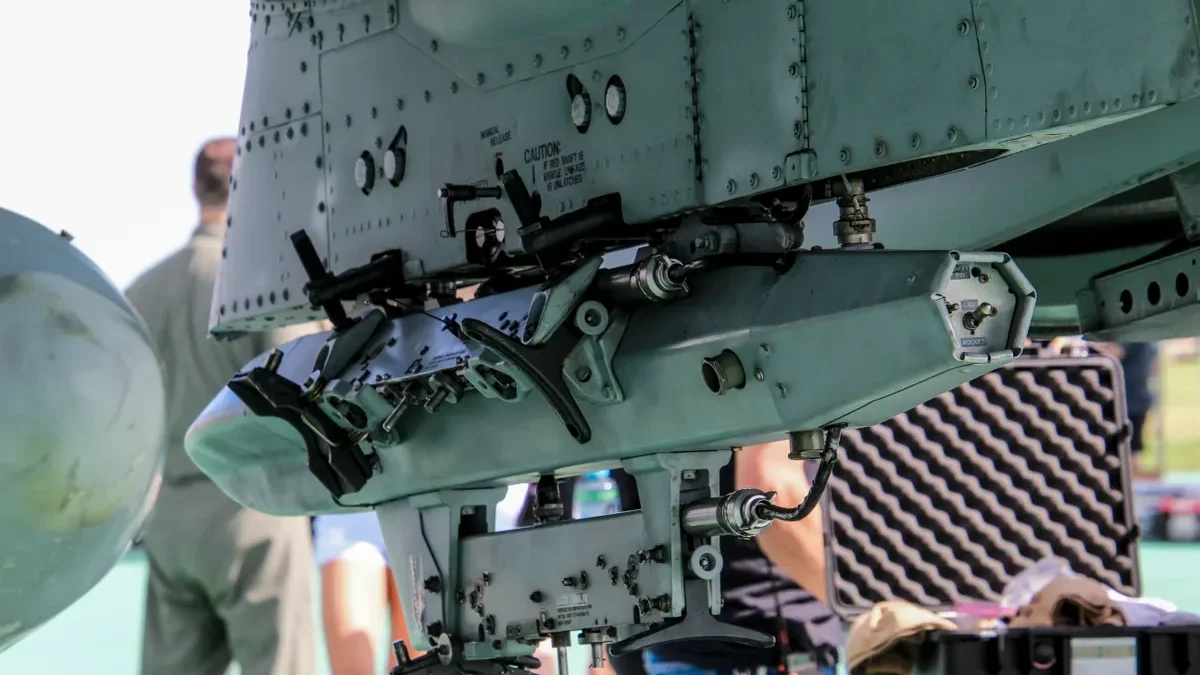
The Air Force supply hole runs $14 billion deep, and the officers responsible for keeping the service’s aircraft airborne said plainly at the Air and Space Forces Association’s 2026 Air, Space and Cyber Conference that money is the problem. Lt. Gen. Linda Hurry, commander of Air Force Materiel Command, put the figure on the table during a panel titled “Flying and Fixing to Fight and Win” and told the audience to let it sink in.
The gap did not open overnight. Hurry disclosed that the supply rate (meaning the share of aircraft grounded for lack of parts) has risen 87% over the last seven years. Roughly 53% of the fleet is more than 30 years old, and 55% has exceeded its “useful” service life, she said. Those two data points together describe a force operating equipment well past its design envelope while the parts pipeline struggles to keep pace.
The read here is structural, not cyclical. An aging fleet demands more parts more frequently, depots face growing backlogs, and a supply chain built around single-source suppliers has proven brittle. Hurry made the monopoly problem explicit: “Gone are the days of monopolies; we can’t just have one person producing the one critical part. I need five [industry partners] producing them because if we get down to the crunch, we’re going to have to have a healthy shelf so that we can fight globally.”
The service’s near-term response includes AI-driven forecasting, additive manufacturing for hard-to-source components, and long-term contracts designed to bring stability to supplier relationships. Whether those tools move the needle depends on how much appropriated funding actually flows through.
The FY2027 Department of the Air Force budget request totals a record $338.8 billion. Within that figure, $4.2 billion goes to the Consolidated Sustainment Activity Group (CSAG), which manages spare parts and maintenance backlogs. That number takes on more context when set against the broader Air Force Working Capital Fund request of $4.4 billion for FY2027, a 3,012% increase over FY2026, according to Air and Space Forces Magazine. CSAG had not sought direct appropriations since 2021.
The budget also moves the needle on Weapon System Sustainment. According to the DoD Comptroller’s FY2027 Budget Overview, the Air Force would fund WSS to 93.2% of requirement in FY2027, up from 85% in FY2026, a $3 billion surge directed at depot-level maintenance. The official Air Force budget release puts total WSS funding above $22 billion and flying hour investments approaching $10 billion, alongside $13.6 billion for facility sustainment, restoration, and modernization, a 110% increase over current levels.
The catch is that $14 billion in identified supply shortfalls sits against a $4.2 billion CSAG line. Even if the full budget request passes, the service is not closing the hole in one year. Hurry was direct about sequencing: “I know we’re not going to get it all at once, but when we get it, we’re going to have to execute. We’re going to have to execute smartly so we can move the needle.”
The most concrete evidence that new funding actually changes readiness comes from the North Star Readiness Campaign, formally launched on September 8, 2026, from Barksdale AFB by Air Force Global Strike Command alongside Air Force Materiel Command and the Defense Logistics Agency, per the AFGSC announcement. The campaign targets the B-52 Stratofortress and B-1 Lancer by expediting structural and avionics parts and accelerating depot-maintenance cycles.
Gen. Stephen L. Davis, commander of Air Force Global Strike Command, said North Star has been the “number one driver” of improved readiness in the bomber fleet and credited the campaign with a 40% increase in B-52 availability. Army Recognition reported Davis making that specific claim on September 16, 2026, at the same conference. His framing was blunt: “As a commander, you don’t want everything to be a money problem to solve it, but this I think is a money problem. We need more money for parts. It’s absolutely the case.”
The longevity math explains why the campaign is designed for the long haul. The B-1 fleet is approaching 40 years old on average and is intended to keep flying through 2037; the B-52 fleet averages past 60 years, with the type expected to remain in service well into the B-21 Raider era, according to Air and Space Forces Magazine. Sustaining aircraft that old is not a maintenance problem with a finish line.
The investment thesis for defense sustainment contractors is straightforward: a $14 billion identified air force supply hole, a WSS funding line rising toward 93% of requirement, and long-term multi-source contracts being deliberately structured to end single-supplier dependency all point to sustained procurement volumes, not a one-cycle supplemental. The risk is congressional appropriations; the FY2027 request is exactly that, a request, and any continuing resolution or budget cut resets the execution timeline Hurry says the service must be ready to run the moment funding arrives.
Xiaomi Sky Nomad orders crossed 70,000 in the model family’s first month, a result that lifted the stock...
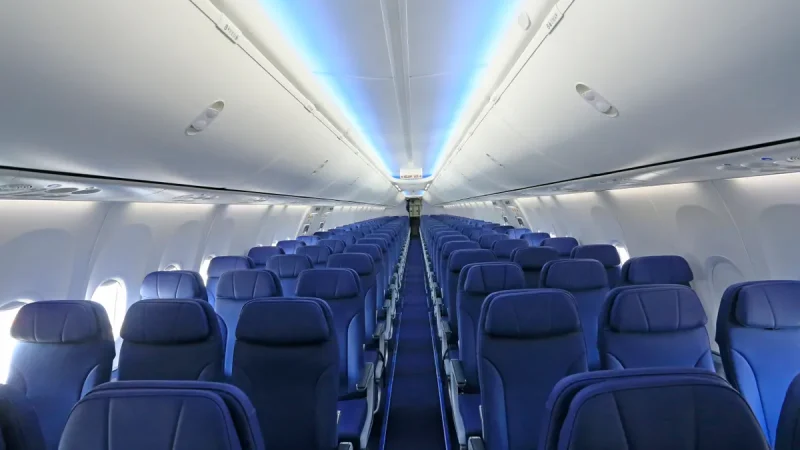
Delta Air Lines (DAL) slashed its Delta Air Lines 2026 outlook on Friday, cutting full-year adjusted earnings per...

The Tesla (TSLA) production outlook for 2026 points to a genuine volume recovery, but the more pressing question...