
Xiaomi Sky Nomad Orders Can’t Close the 2026 Delivery Gap
Xiaomi Sky Nomad orders crossed 70,000 in the model family’s first month, a result that lifted the stock...
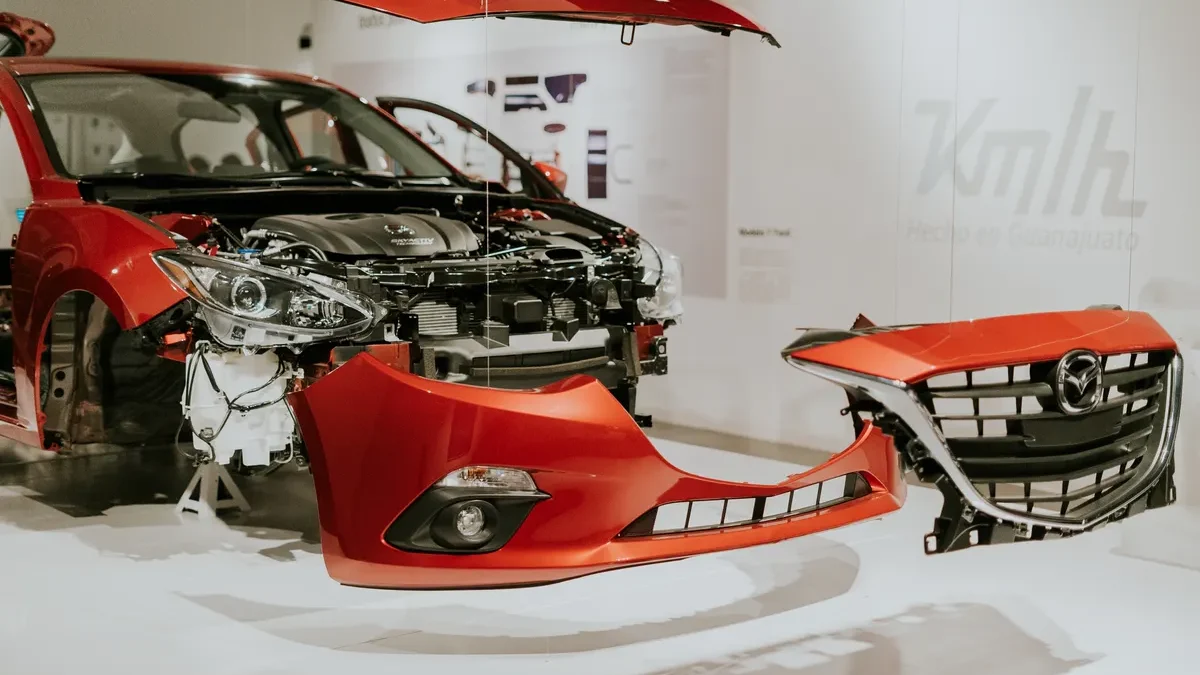
The proposed Canada auto tariff cut from 25% to 15% sounds cleaner than it is: the rate applies only to non-US content in Canadian-built vehicles, the figure is still being contested, and the administration that set it reserves the right to change it annually. Investors in North American automakers should price the uncertainty, not just the discount.
According to people familiar with the matter who spoke to Bloomberg, the Trump administration is preparing to reduce its tariff on Canadian-made vehicles to 15%, down from the current 25%. Canada would drop its remaining retaliatory measures in return. The concession follows Trump’s decision on August 18 to pause separate 50% tariffs on roughly CA$28 billion (US$20 billion) of Canadian goods for three days, just hours before they were set to take effect, as negotiators worked toward a broader agreement.
The rate itself remains contested. Reuters reports that Canada is pushing to get the auto tariff down to 10%, citing two auto executives briefed on the talks, and wants any reduction to cover medium- and heavy-duty vehicles, not only passenger cars and trucks. The US has not agreed to either point.
A second open question is which content qualifies for the deduction. Reuters notes that negotiators have yet to decide whether the value of regional content from Mexico, the US, or Canada can all be deducted from the taxable base, or whether only US-origin components count. That distinction matters enormously for automakers with cross-border supply chains that pull from all three USMCA countries.
Even at a settled 15%, the effective rate will vary by manufacturer. Toyota, Honda, General Motors, and Ford all export vehicles from Canada to the US, but plants that integrate more US-made parts will see a proportionally larger reduction in their effective burden than those drawing more heavily on global supply chains. Every automaker technically faces the same headline rate; the real tariff relief is a function of each plant’s bill-of-materials geography.
For context, Reuters notes that goods from Japan, the EU, and South Korea already face 15% US tariffs, while UK goods face 10%. A 15% rate for Canada would put Canadian-built vehicles on par with Japanese and European competitors, not ahead of them. Canada’s push for 10% reflects the fact that geographic proximity and USMCA integration once justified preferential treatment.
The auto tariff is one piece of a larger package. Under the same reported agreement, US tariffs on Canadian steel and aluminium would fall to 25% from 50%, and President Trump has floated reviving the Keystone XL pipeline as a further element. Canadian International Trade Minister Dominic LeBlanc stated that Canada’s dairy supply management system will remain “entirely intact,” signaling that Ottawa held firm on agriculture even as it moved on autos and resources.
Ontario Premier Doug Ford has said he will only support lifting Ontario’s ban on American alcohol sales if the auto concessions prove “fair,” making the province’s buy-in a live test of whether the deal’s terms hold domestically. Ontario carries the heaviest exposure to US auto tariffs of any Canadian province, so its political calculation tracks closely with the automaker economics.
Public sentiment in Canada is running against concession. A Leger poll conducted August 15–17, 2026, found that 56% of Canadians want their government to take a hardline approach rather than concede further ground. Of the specific concessions tested, opening passenger air travel to US airlines drew the highest support at 46%, while reducing supply management attracted only 26% backing, according to the Yahoo News Canada coverage of the Leger poll. On the US side, the US Chamber of Commerce, in a statement published August 18, 2026, ahead of the Section 338 tariff deadline, warned that continued tariffs would “drive up costs for US families, further disrupt critical supply chains,” and put at risk the 13 million American jobs it says depend on USMCA-linked trade.
The structural problem for automakers is not the current rate; it is the framework. The Trump administration has declined to renew USMCA for the long term, opting instead for annual reviews. A 15% rate that survives until the next review cycle is not the same instrument as a multi-year tariff binding. Canada has already rolled back most of its own retaliatory tariffs, handed the US a share of future revenue from a bridge it financed itself, and scrapped a digital services tax before it took effect, each time in response to a fresh threat rather than a locked-in agreement. The pattern suggests the next concession will also be extracted on demand.
The investable question is whether automakers can commit capital to Canadian production under a tariff structure that reprices annually. Until the content-deduction methodology is settled and the vehicle-class scope is confirmed, the effective relief on any given plant remains a guess. A 15% headline rate with unresolved inputs is not a cleared runway; it is a number to model around while waiting for the next deadline.
Xiaomi Sky Nomad orders crossed 70,000 in the model family’s first month, a result that lifted the stock...
Delta Air Lines (DAL) slashed its Delta Air Lines 2026 outlook on Friday, cutting full-year adjusted earnings per...
The Tesla (TSLA) production outlook for 2026 points to a genuine volume recovery, but the more pressing question...