
Xiaomi Sky Nomad Orders Can’t Close the 2026 Delivery Gap
Xiaomi Sky Nomad orders crossed 70,000 in the model family’s first month, a result that lifted the stock...

Target (TGT) comparable sales growth came in at 3.8% year over year in fiscal Q2 2026, according to the company’s official earnings release, reversing the 1.9% decline the retailer posted in the same period a year earlier. The read here is straightforward: the turnaround is progressing, but with shares up roughly 59% year to date, the market is already paying for the good news.
The Q2 result was driven almost entirely by traffic, not ticket inflation. A 3.6% increase in traffic did the heavy lifting, with store comparable sales rising 2.7% and digitally originated comparable sales climbing 8.7%. Same-day delivery grew more than 25%, reinforcing that Target’s investment in fulfillment is pulling shoppers back into its ecosystem rather than ceding them to pure-play e-commerce rivals.
All six of Target’s core merchandising categories posted higher sales in the quarter. The corporate newsroom highlights double-digit growth in Fun 101 and high single-digit growth in Food and Beverage. The grocery angle is worth dwelling on: Target transformed nearly half of its center-store grocery experience in Q2, adding space for fresh, snacks, bakery, and emerging categories. Post-transition, snacks sales were up 15% year over year. That is a category-level execution win, not a comp-period fluke.
The trajectory also matters when set against the full picture. Full-year fiscal 2025 net sales fell 1.7% to $104.8 billion, with comparable sales down 2.6%. Two consecutive quarters of positive comps after that kind of slide is a genuine inflection, not just base-effect math.
Following the Q2 print, Target raised its full-year fiscal 2026 net sales growth guidance to around 5%, up one percentage point from prior guidance. Operating income margin guidance stands at around 6%, and the company guided GAAP and Adjusted EPS to $9.90 to $10.90. Both the margin and EPS guidance figures include the benefit of a $1.65 per-share tariff refund received in Q2, which contributed approximately 90 basis points to the operating margin rate for the period.
That tariff benefit is the catch. Target was explicit that its guidance excludes any potential future tariff refunds. Strip out the $1.65 Q2 windfall and the underlying EPS range narrows and shifts lower. Investors pricing fiscal 2027 off this year’s reported numbers need to make that adjustment before benchmarking against the $10-plus EPS threshold Deutsche Bank analyst Krisztina Katai flagged as the level the stock is increasingly trading on.
Katai raised Deutsche Bank’s price target on TGT to $140 from $126 ahead of the Q2 report, but reiterated a Hold rating, according to Yahoo Finance. Her argument: with shares up approximately 59% year to date, much of the turnaround progress is already reflected in the stock. The firm had separately written that the more important debate is “whether improving store and merchandising execution supports confidence in growth durability in FY27 and beyond,” adding that it would “remain sidelined” until more evidence of sustainable market share gains emerged.
That framing is the right one. Traffic-driven comps are more durable than ticket-driven comps, and Target’s Q2 traffic number is structurally encouraging. But the sustainability test runs through the next several quarters, particularly as consumer spending remains under pressure from macroeconomic conditions and tariff policy remains unpredictable. The grocery push is the right strategic bet: food and essentials drive frequency, and frequency rebuilds the habit loop that Target lost over its four-year revenue plateau.
On the capital return side, Target’s investor relations page shows the company raised its quarterly dividend by 1.8% in 2026, a modest but unbroken signal of financial confidence from management.
The bull case rests on traffic momentum proving sticky, grocery penetration deepening, and digital fulfillment driving incremental margin as same-day delivery scales. The bear case is that tariff refunds flattered Q2, that consumer wallets remain stretched heading into the back half of the year, and that the stock’s valuation already assumes the turnaround succeeds. CEO Michael Fiddelke said in May that the company’s “work is just beginning,” and that is still the right qualifier: Q2 is confirmation of direction, not arrival at the destination. The stock needs FY27 earnings durability to justify current levels, and that proof is still several quarters away.
Xiaomi Sky Nomad orders crossed 70,000 in the model family’s first month, a result that lifted the stock...
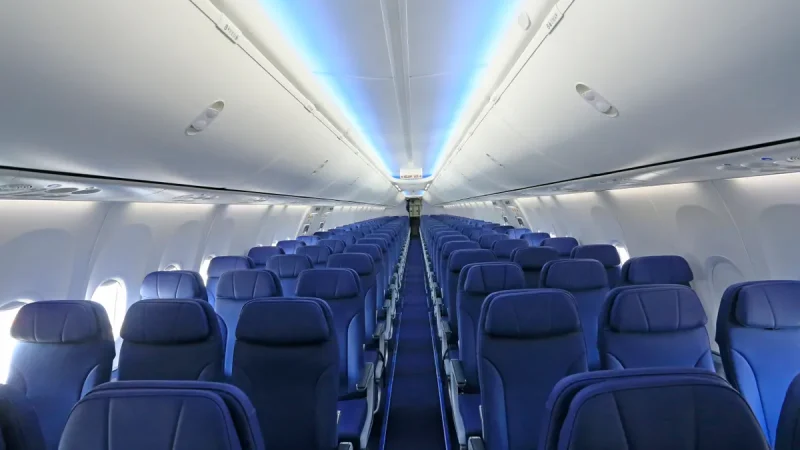
Delta Air Lines (DAL) slashed its Delta Air Lines 2026 outlook on Friday, cutting full-year adjusted earnings per...

The Tesla (TSLA) production outlook for 2026 points to a genuine volume recovery, but the more pressing question...