Raytheon SM-3 Block IB Contract Locks In Missile Defense Through 2034
The Pentagon awarded Raytheon a Raytheon SM-3 Block IB contract worth up to $6.3 billion on October 8,...
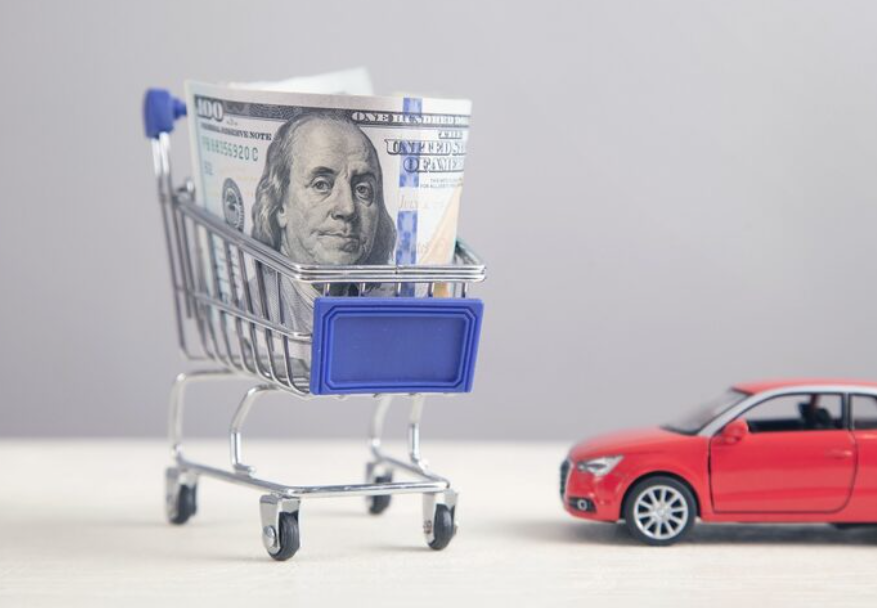
These days, a certain type of customer enters a dealership with a calculator app and a hint of anxiety. Interest rates haven’t decreased enough to feel relieved, used car prices are still high, and grocery bills continue to reduce any margin a buyer may have had. Yes, extending a loan to 72 or 84 months lowers the monthly amount, but anyone who has done so understands the sensation of seeing negative equity accumulate like sediment. A Fort Worth-based startup called AmeriTrust Financial, which debuted in February, is attempting to provide those buyers with an alternative.
The idea seems almost too straightforward. Leasing accounts for roughly 25% of the financing market for new cars, a percentage that has been steady for years. However, it only makes up about 3% of financing for used cars, with some industry sources placing the true percentage closer to 1%. The market for used cars is about three times larger than that of new cars. Thus, a gap exists. An actual one. The type that, depending on how it is done, tends to draw either good fortune or bad luck.
The CEO of AmeriTrust, Jeff Morgan, used to be in charge of Tesla’s national lease partnerships—the kind of resume line that can get you a meeting practically anywhere in the auto finance industry. With pre-filled contract paperwork and title forms keyed to each state, he has built the business around a single-application platform that returns side-by-side loan and lease decisions in minutes. While the customer is still standing at the desk, dealers can run penny-accurate payment quotes by plugging in their live inventory. Speaking with people in the dealership industry gives me the impression that they have been silently requesting this type of friction-removal. In the past, independent lenders have been deterred by the actual leasing machinery, such as the multi-page state forms and residual calculations.
It’s possible that timing, rather than technology, is the greater story here. On most car lots, the biggest barrier is now affordability. The average monthly payments for used cars are uncomfortably similar to what new car payments were a few years ago. For someone who simply needs dependable transportation rather than ownership pride, a structured 36-month lease can be significantly less expensive than a 72-month loan at 9% APR. Investors appear to think that’s a long-lasting insight. Before starting its first lease, AmeriTrust raised about $40 million through its parent company with support from a number of billionaires and institutional investors.
However, it’s easy to find skeptics. In a March article, Automotive News quoted industry experts who are still skeptical that used car leasing can grow significantly outside of the OEM-controlled certified pre-owned channel. Used car residual values are more difficult to forecast. Remarketing is more disorganized. Lenders have previously been caught off guard by the additional layer of risk associated with subprime credit tiers, which AmeriTrust claims it serves. As this develops, it’s difficult to avoid thinking about all the earlier attempts—small banks, local credit unions, even a few fintechs—that tried this and discreetly gave up.
Nevertheless, the structural argument is strong. The fact that AmeriTrust has three subsidiaries that manage financing, servicing, and remarketing internally indicates that management is aware that back-end risk cannot be outsourced. This spring, you might see something truly new on a desk at a participating dealership in Texas or Florida: a quote sheet that shows a used Honda Accord at a lease payment that doesn’t require a seven-year loan to make affordable. The question remains whether that grows to a billion-dollar enterprise or stalls due to regulatory obstacles. Most likely, we won’t know for another year.
The Pentagon awarded Raytheon a Raytheon SM-3 Block IB contract worth up to $6.3 billion on October 8,...

Xiaomi Sky Nomad orders crossed 70,000 in the model family’s first month, a result that lifted the stock...
Delta Air Lines (DAL) slashed its Delta Air Lines 2026 outlook on Friday, cutting full-year adjusted earnings per...