
Guardian reports DfT ZEV mandate consultation could give carmakers a V2G credit to sell one more petrol car
Carmakers could earn a credit for fitting vehicle-to-grid technology and sell another petrol car without fines, the Guardian reports, but campaigners want use rewarded.

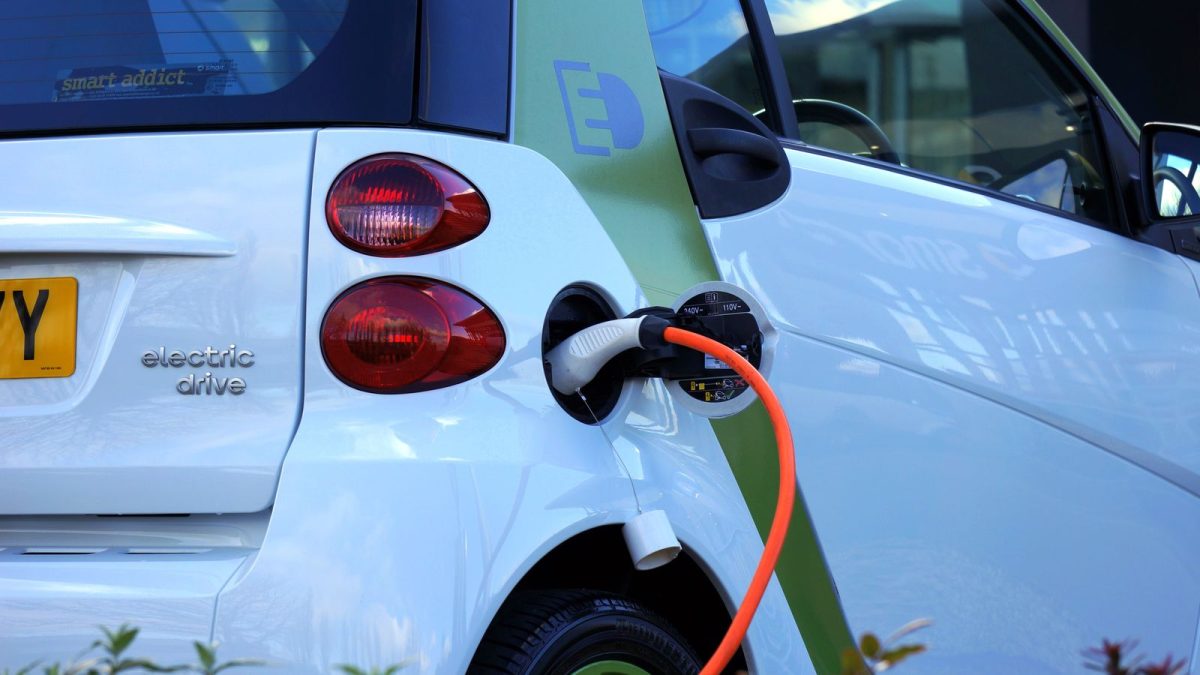
Carmakers could earn a credit for selling cars fitted with vehicle-to-grid technology that lets them sell another petrol car without fines, the Guardian reports of the government’s ZEV mandate consultation.
The Department for Transport’s ZEV mandate review consultation closed on Friday, the Guardian said. Vehicle-to-grid (V2G) lets a car charge automatically when electricity is cheap overnight, then sell some back to the grid when demand is high.
The mandate sets a zero emission target for cars of 22% in 2024, rising steadily to 80% by 2030. In 2025, 22.8% of new car registrations in the UK were zero emission.
The consultation names V2G services as a possible benefit of smart charging and flexibility, and Part 3B covers flexibilities in the mandate.
The government says its commitment to phasing out new petrol and diesel cars by 2030 is "unwavering".
Smart charging tariffs, already a feature of EV charging, do not need V2G hardware. The National Energy System Operator, which balances the grid, says in its Future Energy Scenarios that smart charging could shift EV peak demand by 83%.
Ben Nelmes, chief executive of New AutoMotive, a thinktank tracking the move to electric cars, said: "Vehicle to grid is exciting technology that could help balance the grid and cut bills, but carmakers should only be rewarded if it’s actually used, not just for fitting it."
Nelmes said one or even two extra credits worth around £4,000 each would hand manufacturers thousands per car for kit that costs a few hundred pounds. He said few drivers own the expensive charger needed to use it.
Vicky Edmonds, chief executive of the Electric Vehicle Association England, which represents drivers, also objected to the credit. She said: "It is far too early to be giving manufacturers a credit that effectively allows them to sell fewer EVs, for a technology that has not even been tried and tested, at scale, by drivers in the real world."
Some drivers already sell electricity back through suppliers such as Octopus Energy in the UK, Renault in France and BMW in Germany. Octopus has claimed drivers could save £620 a year with the service.
The Guardian reported that the government is preparing to cut electric vehicle sales targets under the mandate. It said environmental groups expect changes that could mean an additional 147m tonnes of carbon emitted by 2050.
In the consultation’s foreword, Heidi Alexander, secretary of state for transport, said public chargers are being installed at 30 per day on average, with more than 120,000 across the UK and 100,000 more in the pipeline.
The Guardian reported that the National Energy System Operator expects V2G cars to supply 1.2 gigawatts of power on demand by 2030, growing to as much as 41 gigawatts by 2050.