
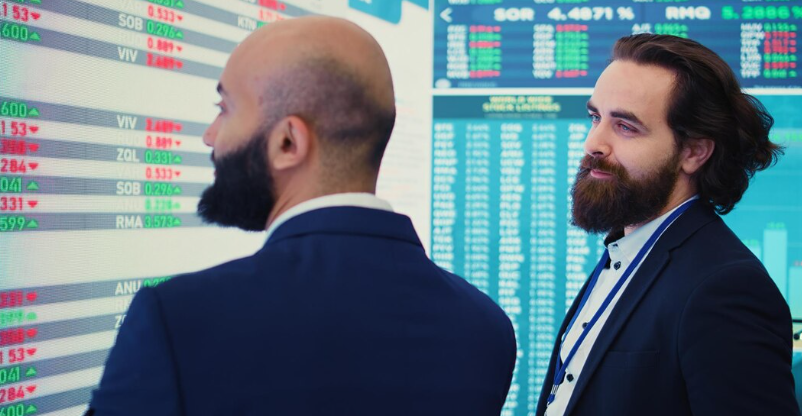
The way the MiniMax share price fluctuated on April 24 in the afternoon was almost theatrical. The stock began trading at HK$880, reached its peak at the same level, and then, as if someone had silently pulled the rug, fell all the way to HK$750 before settling at HK$777.50. a 9.44% decrease in just one session. This isn’t just a bad day for a company that only went public in January. When the kind investors try to recall when the mood began to change, it seems like a fleeting moment.
This past quarter, MiniMax was mentioned numerous times on any Hong Kong trading floor. Riding the general excitement surrounding China’s so-called “AI tigers,” the company entered the exchange with the vigor of a long-awaited debut. The numbers appeared to support the hype for a while. In March, the stock surged above HK$1,300, briefly elevating MiniMax to the top of the Asian tech scene. The slow turn followed. a 21% decrease in the previous month. a 9.49% decline in the past week alone. Late-arriving investors are now staring at red on their screens, wondering if they purchased a business or a story.
The fundamentals tell a complex story, so it’s worth pausing on them. For a business valued at almost HK$244 billion, trailing twelve-month revenue is only HK$619 million. A value investor would be terrified by the net margin’s startling negative 2,368%, which would hardly register with a growth investor. A loss of almost HK$15 billion is shown by EBITDA. However, revenue increased by 131.29% in Q4 2025 compared to the previous year. The tension is that. The growth is genuine. The losses are genuine as well.
When you walk by the company’s Shanghai office or look through its documents, you get the impression that MiniMax is attempting something truly ambitious. Globally, Hailuo AI is becoming more popular. The consumer-facing character apps Talkie and Xingye are well-liked by younger users in ways that don’t always show up on revenue charts. Reasonable people are currently giving quite different answers to the question of whether all of this justifies a valuation of HK$243 billion.
The larger context is also important. When Nvidia’s CEO referred to Chinese AI companies in March, referring to OpenClaw as “the next ChatGPT,” the entire industry surged. However, such euphoria seldom lasts. This year, Chinese competitors’ industrial-scale distillation has alarmed both Anthropic and OpenAI. When geopolitical pressure on chip supply chains is added, the stock fluctuates just as much on sentiment as on earnings.
It’s difficult to ignore how quickly a high-flying name can erode conviction. MiniMax is the Asian AI of the future. The next is being referred to as overheated by traders. At different times, both points of view may be correct. Whether yesterday’s decline is a good correction or the beginning of something more unsettling is still up for debate. The 52-week low of HK$220 is not too far in the past. Nor is the peak of HK$1,330.
MiniMax is currently in that uncomfortable middle. A young business with actual technology, actual users, actual losses, and an unsettling share price.