Xpeng Iron Robot Production Line Commissioned Before Mass Output Begins

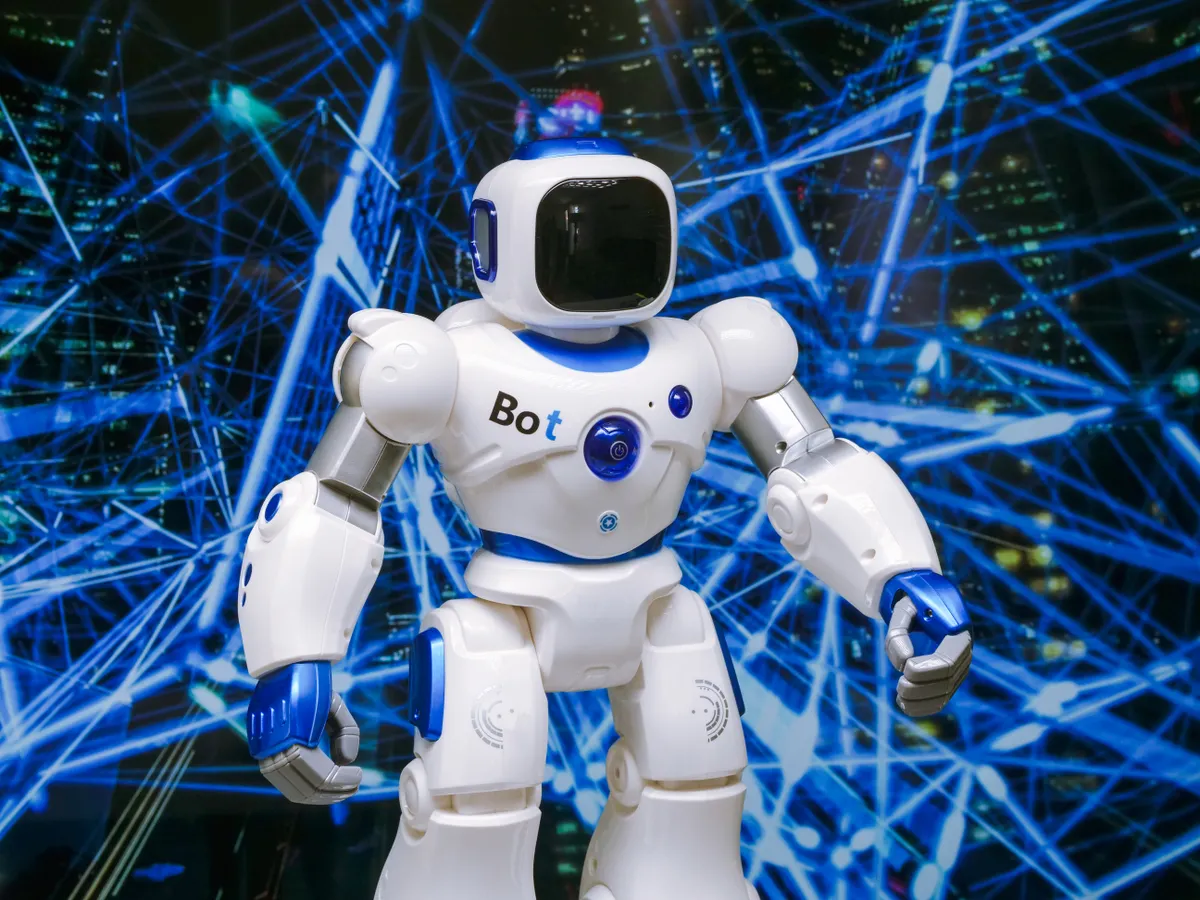
The Xpeng Iron robot production line was formally commissioned on September 8, 2026, placing the Chinese automaker ahead of Tesla and Hyundai in getting a humanoid robot to an automated assembly stage. The commercial case, though, is still unproven: no Iron unit has reached a paying customer, and every margin forecast Xpeng has offered remains a projection rather than a result.
What the Production Line Actually Is
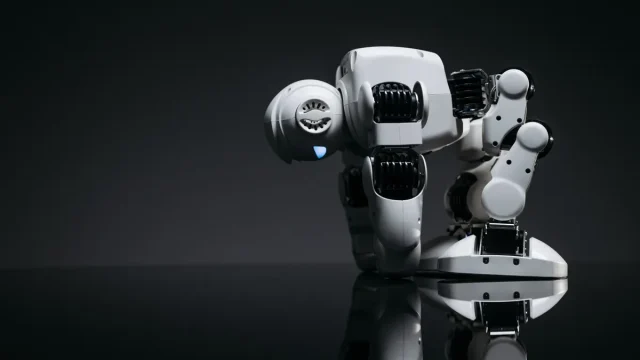
The facility, which Xpeng’s official newsroom describes as part of a broader Physical AI push alongside VLA 2.0 and an autonomous robotaxi, has more than 80% of core manufacturing processes automated. A demonstration unit was able to walk off the line at commissioning. Xpeng calls it the world’s first automated production line for advanced humanoid robots, though mass production is not expected until the end of 2026.
Iron carries 76 degrees of freedom across its body and 21 in each hand, housed in a fully enclosed flexible lattice structure meant to balance a human-like appearance with safety. Three in-house Turing AI chips deliver up to 2,250 TOPS of computing power, the same chips used in Xpeng’s GX robotaxi and consumer SUV lineup. That configuration runs Xpeng’s physical AI foundation model directly on the robot, reducing latency and, the company argues, removing the need for human teleoperation that some rival demonstrations have used.
Chairman and CEO He Xiaopeng said in a statement that “the robot production lines were created from scratch with no precedent to follow,” and that the company intends to pursue faster production cycles and greater scale from here. Initial Iron units will deploy inside Xpeng’s own stores and campuses, with China deliveries to follow and overseas markets targeted for 2027.
The Xpeng Iron Robot Production Case for Margins
Xpeng argues that the high technical barriers and constrained supply of quality components in advanced humanoid robotics will support gross margins per unit above what it earns on EVs. That is a plausible structural claim, but it is not a financial result. The company has disclosed no unit economics, no pricing, and no shipped revenue from the robotics segment.
What Xpeng has secured is outside validation in the form of capital. The Dogotix subsidiary signed share purchase agreements worth roughly $900 million in late August, led by IDG Capital and joined by Gaorong Ventures, Alibaba, and Tencent as strategic investors, implying a post-money valuation of about $6.3 billion. Xpeng retains control and will continue consolidating Dogotix’s financials. That round appears to be the largest single private funding event in China’s embodied AI sector to date, and the investor lineup suggests institutional confidence in the category, even if commercial proof is absent.
Xpeng’s international ambitions extend beyond robotics. The company began deliveries of the P7+ sedan across 25 European markets in April 2026, per its official newsroom, giving it a live distribution network that could, in time, support overseas Iron deployments ahead of the 2027 target.
Where Tesla and Hyundai Stand
The contrast with Tesla is pointed. Elon Musk had forecast roughly 10,000 Optimus units in 2026, then acknowledged in January that the robots were not yet capable of useful work. Production at Fremont, originally expected around this period, has slipped to “the coming months,” with commercial sales now targeted for the second half of 2027. Investor’s Business Daily reported that Musk used a recent earnings call to signal Tesla would phase out Model S and Model X trims to free capacity for Optimus, alongside a commitment to $20 billion in capital expenditures in 2026. The strategic pivot is real, but the product is still behind schedule.
Hyundai, through its wholly owned Boston Dynamics, is taking a different route with Atlas: raw industrial capability, including a sustained 50kg lift and 360-degree joint rotation, deployed cautiously into structured factory tasks starting at its Georgia plant in 2028. Atlas and Iron are not really competing for the same initial application. Iron leans toward dexterity and human-facing retail roles; Atlas is optimized for back-of-house industrial work. Both theses may prove out, but they will be tested in very different markets on very different timelines.
The read here is that Xpeng has cleared a genuine manufacturing milestone while avoiding the kind of teleoperation shortcuts that have quietly undermined competitor demonstrations. The catch is that a single robot walking off a line and an investor round at a $6.3 billion valuation are not revenue. The margin thesis holds or breaks when Iron ships in volume to paying customers outside Xpeng’s own facilities, a test that will not arrive before 2027 at the earliest.