Volkswagen’s Osnabrück Defense Deal Saves Jobs, Not the Restructuring

Volkswagen’s Osnabrück defense deal, signed September 7, converts a factory that once built Porsche Boxsters and Golf Cabriolets into a production site for air-defense systems, selling the 125-year-old site to Israeli investment firm Aurelius Capital and the state of Lower Saxony. The arrangement preserves roughly 1,400 of the plant’s 1,800 jobs, according to the works council. The broader headline is harder to celebrate: combined with cuts already announced, the group’s Future Plan 2030 restructuring will shed 100,000 jobs in total.
The Osnabrück Defense Deal in Detail
Aurelius Capital takes a majority stake in the site alongside Lower Saxony, which is also Volkswagen’s second-largest shareholder. Financial terms were not disclosed, according to the Wall Street Journal. The signing brought together Volkswagen AG CEO Oliver Blume, supervisory board chair Christiane Benner, works council chair Daniela Cavallo, and Lower Saxony Premier Olaf Lies, meaning all four principal stakeholders committed publicly and simultaneously rather than sequentially.
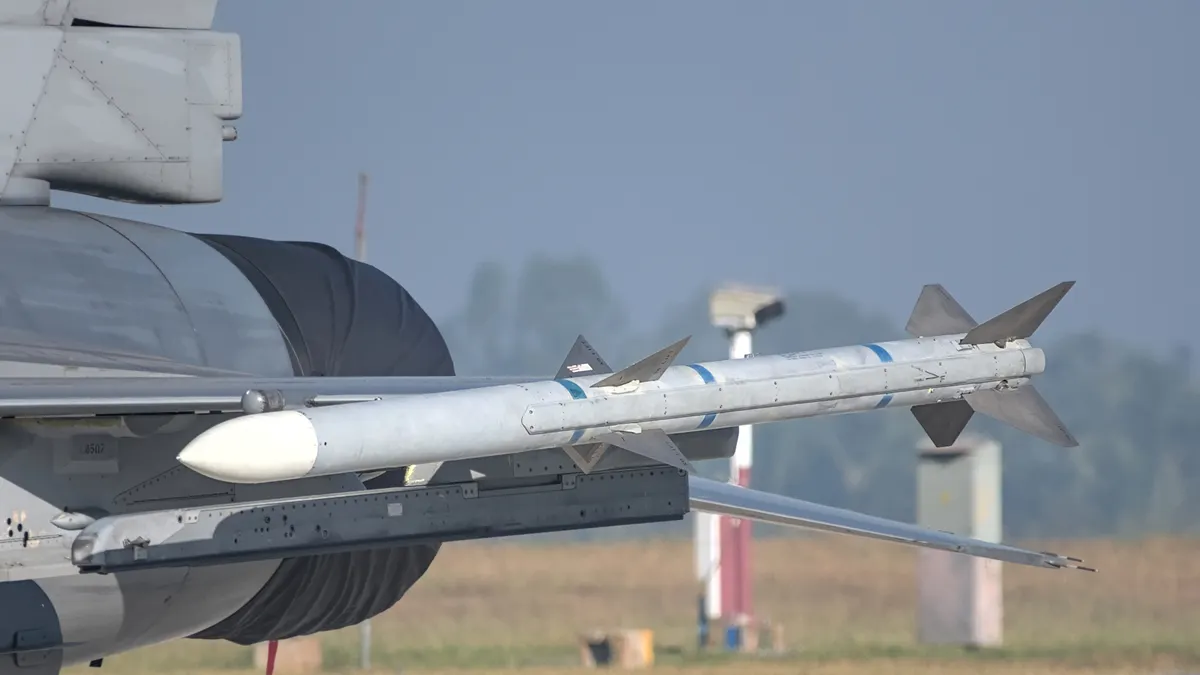
The “anchor project,” as the Volkswagen Group press release frames it, has Aurelius and Lower Saxony cooperating with Rafael Advanced Defense Systems to manufacture air-defense systems and components for Germany and Europe. Volkswagen was explicit that Osnabrück will not produce missiles. Rafael, one of the companies behind the Iron Dome, will contribute what the press release describes as its “technological expertise and long-standing experience,” while the buyers develop the site into a “competence center for security and defense solutions.” The cooperation is also intended to “pave the way for further partnerships and projects” beyond the initial anchor, per the same release.
Rafael’s involvement carries its own momentum: the company is presenting a European-adapted configuration of its air-defense system at ILA Berlin 2026, designed to address German and partner-nation requirements. Rafael Chief Executive Yoav Tourgeman described the deal as the start of “a long-term industrial relationship with our German partners with the idea that the technology will be fully produced in Germany, to protect Germany and Europe.”
Lower Saxony Premier Lies drew a parallel to the state’s 2024 acquisition of a 40% stake in the Meyer Werft shipyard for €200 million ($232 million). The comparison holds a logic: the state is demonstrating a consistent willingness to take equity positions in strategically sensitive industrial assets rather than ceding them to purely commercial buyers.
One Factory Solved, Four Plants Still in Question
The Osnabrück deal resolves a specific commitment Volkswagen made in 2024, when it decided to phase out vehicle production at the site by summer 2027 as part of a cost-cutting agreement that included a pledge to find a viable long-term future for the plant. Converting it into a defense supplier fulfills that pledge. It does not reduce the pressure on up to four other German plants, Emden, Hanover, Zwickau, and Audi-operated Neckarsulm, each of which faces possible closure or repurposing under Future Plan 2030.
The most prominent potential buyer for one of those sites is Xpeng, the Chinese EV maker with which Volkswagen has existing partnerships in China. Xpeng said earlier this year it is in talks with Volkswagen over a possible brownfield acquisition but flagged that available sites were “a little bit old” and potentially ill-suited to advanced processes like gigacasting. Three of the four remaining plants have been renovated in recent years for EV production, which may answer part of that objection.
The Osnabrück arrangement fits a pattern already visible across German industry. Rheinmetall and Continental are separately repurposing vehicle factories for military equipment. Germany’s defense budget is set to rise by a third next year to €109.7 billion, part of a roughly €700 billion five-year spending plan driven by Russia’s invasion of Ukraine and diminishing confidence in US security guarantees. German officials have said openly that defense work cannot absorb the scale of job losses running through the wider auto sector, but are actively encouraging exactly this kind of industrial conversion.
Osnabrück adds one layer of political complexity that the other sites do not carry. The city hosted the signing of the 1648 Peace of Westphalia and holds a formal designation as a city of peace. The local Peace Initiative has opposed the deal outright. University of Amsterdam historian Natalie Scholz, writing when the deal first became public, argued that Volkswagen’s own history of wartime military production makes this decision categorically different from one made by other industrial companies: “the political responsibility is bigger here even than it would be with any other weapons-producing company.”
The Volkswagen Osnabrück defense deal is best read as a proof of concept, not a solution. If the remaining four at-risk plants cannot find comparable buyers, the template’s value is mostly symbolic. The key test is whether Emden or Zwickau attracts a buyer with the same combination of industrial credibility, state backing, and viable end-market demand that made the Osnabrück arrangement work.