Alexander Dennis Lands Liverpool Contract Worth Up to £95m

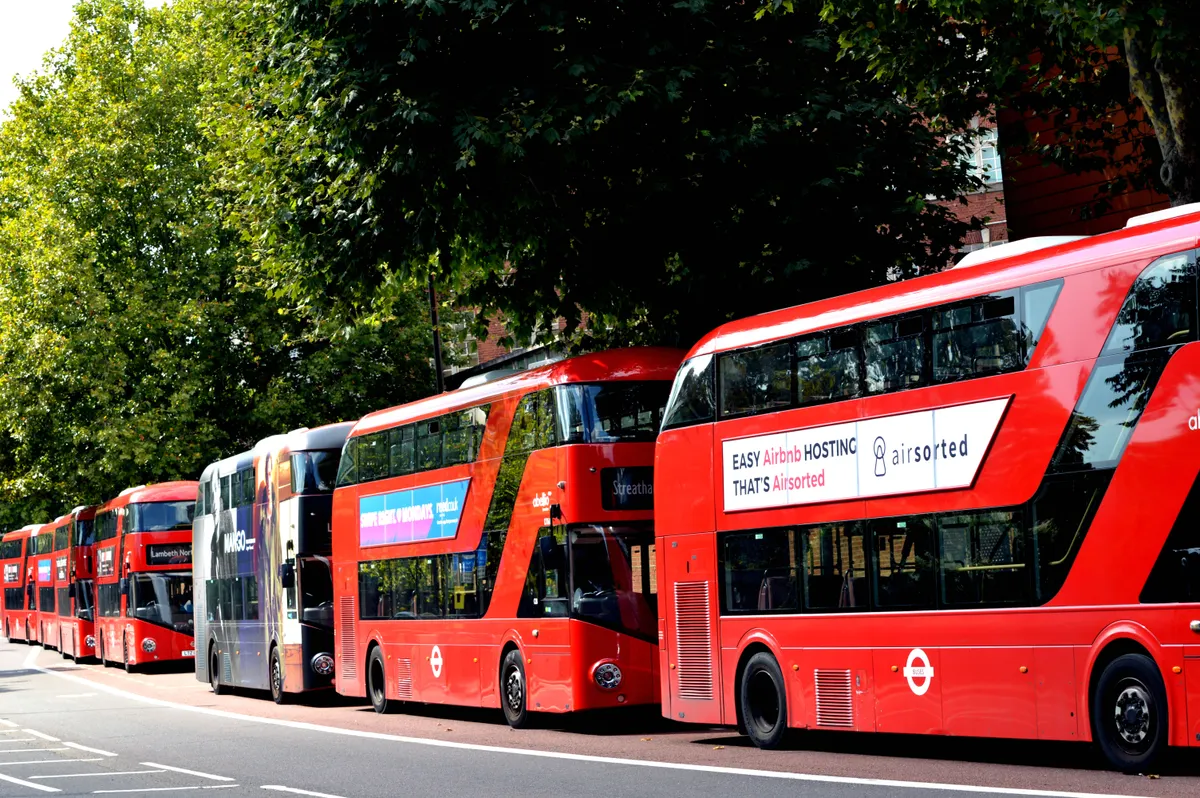
The Alexander Dennis Liverpool contract awarded by Liverpool City Region Combined Authority is worth £57m on a firm basis and up to £95m if all options are exercised, covering as many as 357 buses and cementing the manufacturer’s position as the dominant supplier to the region’s new franchised network. The deal is more than a volume win: it validates Alexander Dennis’s strategy of selling mixed low-emission and zero-emission fleets into franchise tenders rather than waiting for a pure-electric market that regulators have yet to mandate.
What the Alexander Dennis Liverpool Contract Signals for Franchise Bids
The firm order covers 207 vehicles: 117 low-emission Enviro400 double-deckers, 60 low-emission Enviro200 single-deckers in two lengths, and 30 zero-emission Enviro100EV. All will be fully built or completed in Britain, with delivery scheduled for 2027. Matthew Lawrence, Alexander Dennis’s Head of Franchising and Bids, confirmed that work will begin shortly to build the ordered buses at the company’s UK factories in the North of England and Scotland.
Alexander Dennis was selected for four of the six available procurement lots in the competitive tender. That breadth of selection reflects the practical reality of franchise procurement: combined authorities need solutions that are deliverable and fundable now, not solely dependent on zero-emission infrastructure that may not yet be in place across an entire region.
The numbers on the low-emission side of the order deserve attention. According to independently conducted Zemo Partnership UK Bus Cycle testing, the Enviro200 delivers a 24% reduction in fuel consumption and CO2e emissions against conventional Euro V diesel, while the Enviro400 achieves an 18% reduction. Both models also carry a future conversion pathway: Alexander Dennis’s AD Repower service can upgrade either to battery-electric operation, giving the Combined Authority an upgrade route without a full fleet replacement.
A Growing Fleet Footprint in the Region
This order sits on top of a substantial existing relationship. The 109 Enviro200 buses currently being delivered supported the launch of franchised services in St Helens and the Wirral on September 6, 2026. Separately, Liverpool City Region ordered 58 Enviro400EV zero-emission double-deckers from Alexander Dennis on February 25, 2025; those vehicles are publicly owned by the Combined Authority and operated by a commercial bus operator ahead of franchising. Add the new firm order and the options, and Alexander Dennis’s fleet for the region reaches approximately 400 buses.
That footprint creates a durable competitive moat. Spare parts supply chains, maintenance agreements, driver familiarization, and fleet-management systems all favor continuity of supplier. A combined authority that has standardized on a single manufacturer’s vehicles has a strong operational incentive to keep awarding work to that supplier, particularly when new tranches arrive on a compressed timeline.
That timeline is real. According to the UK government’s Find a Tender procurement portal, Liverpool City Region plans to introduce a second tranche of franchised bus services from September 2027, covering Liverpool, Sefton, and Knowsley. Alexander Dennis is already delivering into the first tranche; it enters any second-tranche bidding process as the incumbent at scale.
The Bull and Bear Read
The bull case is straightforward. The UK bus franchising model, enabled by the Bus Services Act, is spreading from Greater Manchester to other metropolitan regions. Each new franchise tender is a structured procurement event where Alexander Dennis’s dual low-emission and zero-emission product range, combined with its British manufacturing credentials, is a differentiating asset. The Liverpool relationship now has depth, breadth, and a forward pipeline.
The bear case centers on margin and mix. Low-emission diesel-hybrid buses carry lower unit values and, typically, thinner margins than zero-emission vehicles, where manufacturers can price in battery and technology premiums. The 177 low-emission units in this firm order outnumber the 30 zero-emission Enviro100EVs by nearly six to one. If combined authorities accelerate their shift to full-electric mandates faster than expected, the low-emission conversion story becomes less relevant and the vehicles ordered today age more quickly in regulatory terms.
The AD Repower conversion capability partially answers that bear case, but the economics of mid-life electric conversion versus new-build zero-emission procurement remain to be tested at scale. NFI Group, Alexander Dennis’s Canadian parent, will need to demonstrate that the repower service generates a revenue line that offsets any margin compression on low-emission volumes.
For now, winning four of six lots and building toward a 400-bus regional fleet is the kind of franchise anchor that competitors will struggle to dislodge. The second tranche in September 2027 is the next test of whether the Alexander Dennis Liverpool contract relationship converts incumbency into a renewable advantage.