Ukraine’s PAC-3 Exemption Request Tests the EU Loan’s Buy-European Rules

Ukraine’s formal request for a PAC-3 exemption under the EU’s €90 billion support loan is the first real stress test of whether the facility can actually fund Western-standard weapons systems, and the outcome will matter well beyond this single procurement. European Commission President Ursula von der Leyen confirmed the review on September 2, saying it was “moving in the right direction” and that EU representatives were due to decide on the exemption the following Monday.
The Buy-European Cap That Complicates the Request
The loan’s architecture creates the problem. When the Council of the EU finalized the legislation on April 23, 2026, it set aside roughly €60 billion for defense procurement and €30 billion for budget support. But the rules prioritize European and Ukrainian-made equipment, capping non-EU and non-Ukrainian content at 35% of any given purchase’s value.
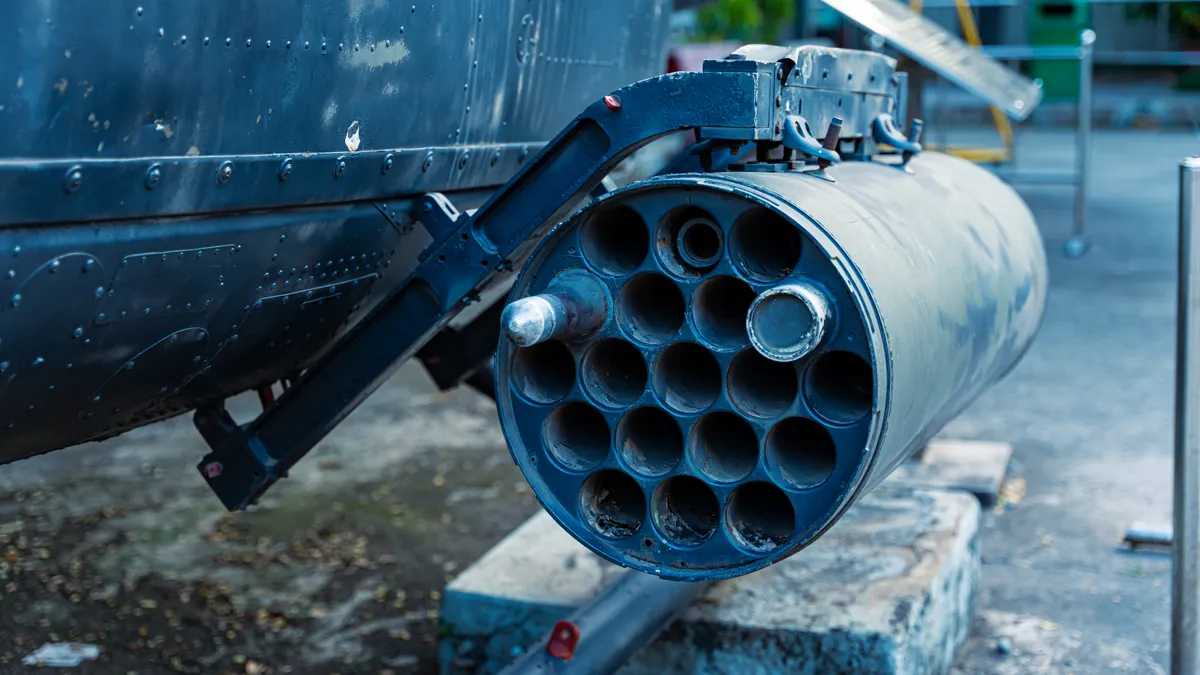
PAC-3 interceptors are manufactured in the United States, so they blow well past that ceiling. Kyiv’s request therefore requires a formal derogation before a single euro of loan funds can flow toward the missiles.
There is a usable precedent. The European Commission describes the facility as a “limited recourse loan,” and on April 1, 2026, it adopted two sets of implementing measures that included a derogation allowing Ukraine to procure drones, specifically to cover Chinese-made components, as the first urgent defense purchases under the instrument. Officials on both sides are pointing to that carve-out as the template for the PAC-3 ask.
Ukraine’s PAC-3 Exemption Case and the Pressure Behind It
The timing of the request reflects genuine urgency. Russia entered a second week of near-continuous aerial strikes on Kyiv, Odesa, and other cities as Ukraine’s stockpile of antiballistic interceptors ran critically low. Defense Minister Yevhenii Khmara, who replaced Mykhailo Fedorov in the role, pressed allies publicly for accelerated aid while simultaneously trying to unlock early loan disbursements. Reuters reported that Khmara pledged to provide partners with a clear war plan as a condition for that early release.
His public case for the broader funding picture rested on two numbers. Ukraine faces a $27 billion defense budget deficit, Khmara said. He also argued that the framing should shift from aid to investment: “Every euro invested in Ukraine’s defence is an investment in European security.”
Von der Leyen reinforced the argument on X alongside NATO Secretary General Mark Rutte. “We will keep supporting Ukraine, including with European air defence and PAC-3 Patriot systems,” she wrote. “We will work closer than ever with NATO. And deter anyone who attacks our freedom and security.”
What the Exemption Decision Actually Signals
The bull read is straightforward: if EU member states approve the derogation, it establishes that the loan can fund best-available systems rather than only European-produced ones, which meaningfully expands what Kyiv can actually buy. The drone precedent from April makes a yes-vote the path of least resistance, and von der Leyen’s language suggests she is already lobbying toward it.
The bear read is structural. Each derogation granted chips away at the loan’s stated industrial-policy rationale: channeling defense spending toward European Commission-backed producers. If the PAC-3 exemption passes, member states with domestic defense contractors will face harder questions about what the buy-European cap is actually protecting. That political friction could slow future exemption reviews even as Ukraine’s needs continue to accumulate.
The more immediate risk is timing. An exemption vote resolves the rules question, but it does not resolve procurement timelines, production capacity at Lockheed Martin’s PAC-3 lines, or how quickly disbursements flow through a facility that only finalized its legal framework in April 2026.
The derogation decision is the gate. If it clears, the loan graduates from a budget-support tool into a genuine air-defense procurement instrument. If it stalls, the $27 billion deficit Khmara cited has no near-term European fix, and Ukraine’s Patriot batteries keep burning through interceptors with no funded resupply in sight.