
Operation Epic Fury Purple Hearts: Three Soldiers Acted Under Fire to Save Lives
Three U.S. Army soldiers received Purple Hearts for their actions during the Operation Epic Fury Purple Hearts ceremony...
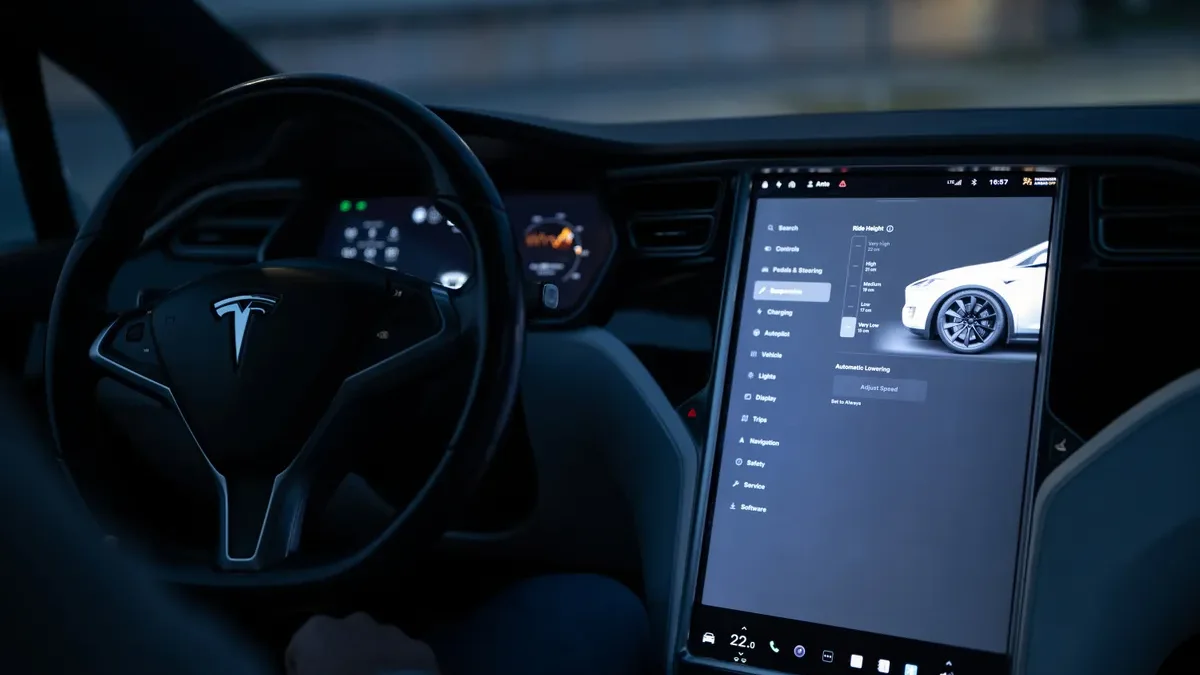
The Nissan Honda SDV agreement to standardize core electronic control units (ECUs) and vehicle software across both companies’ upcoming software-defined vehicle platforms, with deployment from fiscal year 2029, is less a technical footnote and more a strategic admission: building foundational software alone is no longer economically rational for either automaker.
The deal, sourced to Honda, spans the in-vehicle operating system, key middleware, and vehicle control software. Under common specifications, both companies will develop high-performance main ECUs built on systems-on-chip (SoCs), alongside zone ECUs that govern discrete regions of each vehicle. The resulting electrical/electronic (E/E) architecture is intended for integration across both manufacturers’ SDV platforms from fiscal year 2029.
The scope is broad enough to matter. Main ECUs and zone ECUs together define how a vehicle processes sensor data, arbitrates control commands, and interfaces with over-the-air update pipelines. Agreeing on specifications at that level means both companies will share the same foundational capability floor, even as they differentiate above it in features, user experience, and brand-specific software.
This collaboration sits within a wider strategic partnership through which Nissan and Honda are jointly pursuing carbon neutrality and a target of zero traffic fatalities. Neither company disclosed planned investment figures, and neither indicated whether the shared E/E architecture might eventually be opened to third parties.
The current deal did not appear from nowhere. According to the Nissan Global Newsroom, the two companies agreed on August 1, 2024 to conduct joint research in fundamental technologies for next-generation SDV platforms, building on a memorandum of understanding signed March 15 of that year covering strategic cooperation for electrification and intelligence. What was joint research in 2024 is now a joint development agreement, meaning the relationship has moved from studying shared approaches to actually building them together.
That progression matters for how investors read the risk. Joint research can be unwound cheaply; joint development creates shared codebases, common testing regimes, and interdependencies that are harder to exit. Both companies are now more structurally committed to each other’s SDV roadmap than the headline suggests.
The commercial logic is not hard to read. Chinese EV manufacturers have accelerated the pace at which software-defined features, over-the-air updates, and in-vehicle user interfaces are treated as competitive differentiators. Japanese automakers have faced margin pressure and market-share erosion in China specifically because their software development cycles lagged. Standardizing the foundational layers of ECU software compresses individual development costs without ceding the surface-level features where brand differentiation still lives.
Honda is already extending its SDV supplier relationships in parallel. KPIT Technologies announced a partnership with Honda to advance its Software-Defined Mobility roadmap, with KPIT planning to expand to over 2,000 software and vehicle system professionals globally to support Honda’s program through 2030 and beyond. That supplier build-out, combined with the Nissan joint development agreement, points to Honda constructing an SDV capability through layered partnerships rather than pure in-house development, a pragmatic choice given the capital intensity involved.
The bull read is that cost-sharing at the platform level frees both companies to invest more aggressively in the software layers that consumers actually see. If they execute, they close the gap with Chinese competitors without duplicating foundational engineering spend. The bear read is that sharing core architecture creates organizational drag, slows decision-making, and risks producing a compromised specification that serves neither company’s vehicle lineup optimally. The precedent in the industry is mixed: platform sharing between competitors has succeeded in powertrains (Toyota and Subaru on the GR86/BRZ), but software is more complex to disaggregate than metal.
The fiscal 2029 deployment date is the key variable. KPIT’s supplier ramp and the transition from joint research to joint development both suggest the timeline is real rather than aspirational, but software programs of this complexity routinely slip. Watch for either company to disclose investment commitments or governance structure for the shared codebase: that will be the first concrete signal of whether the partnership has the organizational backing to hit its target date.
Three U.S. Army soldiers received Purple Hearts for their actions during the Operation Epic Fury Purple Hearts ceremony...
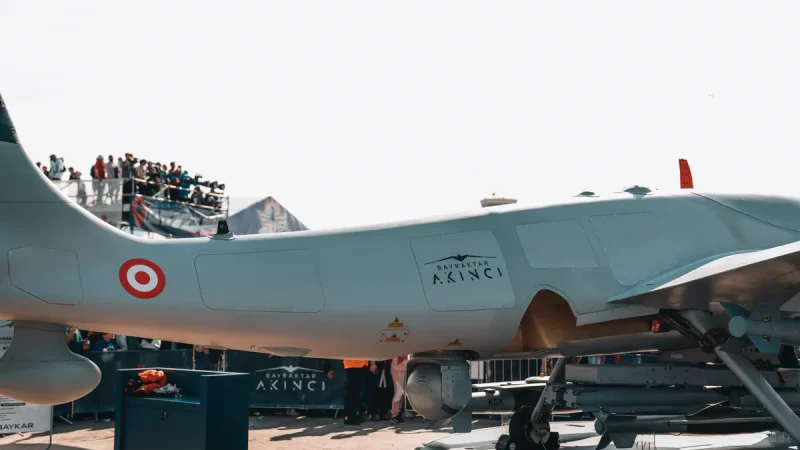
Vector Defense and Nammo announced an expanded partnership Monday at the Association of the United States Army’s annual...

The TSMC earnings season preview is the week’s focal point, with Taiwan Semiconductor Manufacturing (TSMC) reporting Thursday as...