
The BYD Vertical Integration Premium: Why the EV King is Still Rated a Wall Street “Strong Buy”
BYD’s expansive Pingshan complex in Shenzhen is one of those factory tours that leave a lasting impression. One...
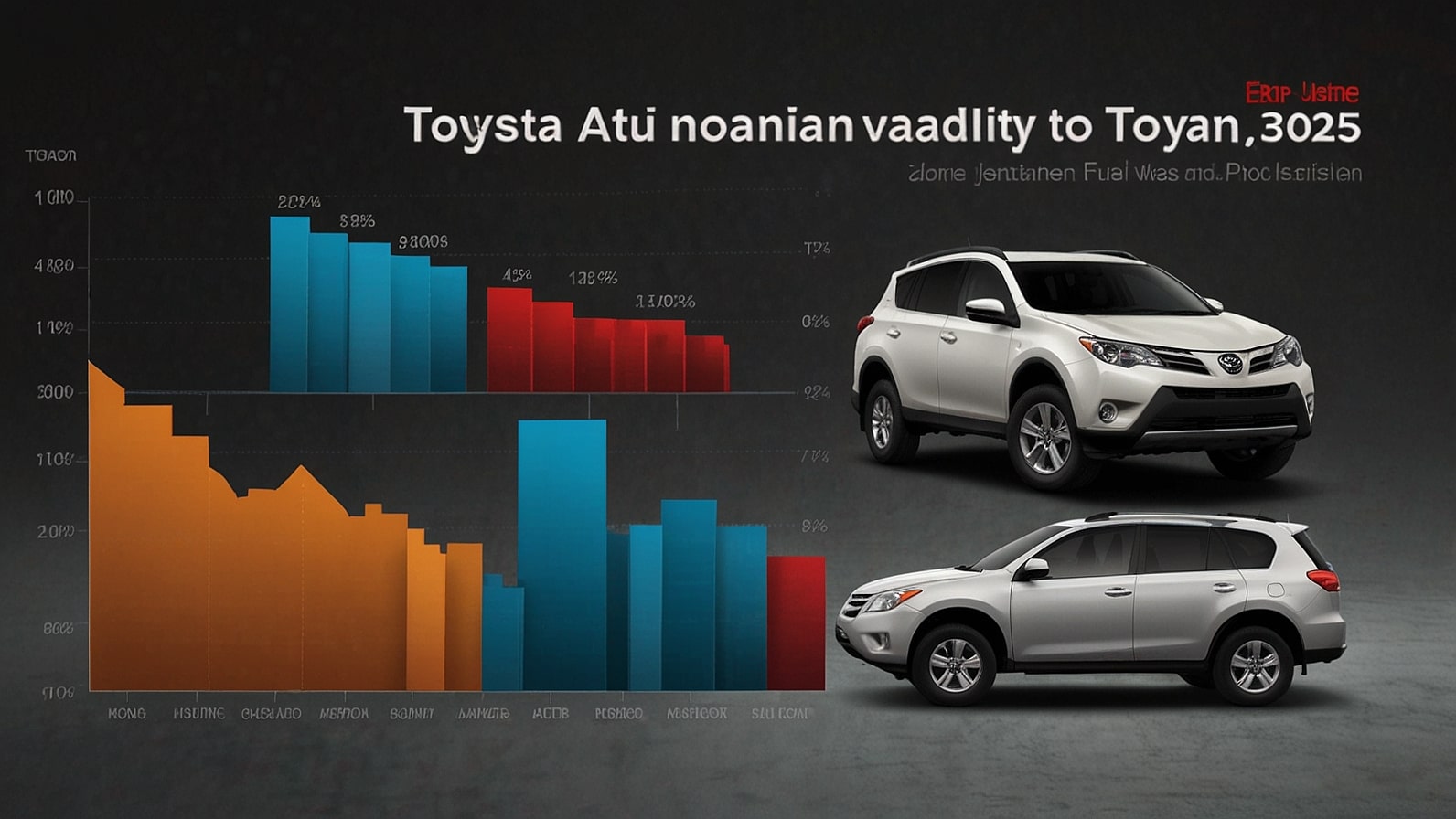
With late 2025 taking its golden cover across American roads, the secondhand car market is experiencing a radical change that is attracting the attention of low-end consumers. Judged prices of used cars are finally returning to normal, with the average price falling 8 per cent annually to $26,500, as per Cox Automotive.
This downturn, driven by rising inventory and weakening demand for new cars, is good news for consumers seeking used sedans, SUVs, and trucks. However, the relief is marred by persistently high financing costs, with interest rates on used car loans averaging 8.5%, which are at historical highs. This contrast between falling prices and expensive credit is redefining the market, affecting dealers, lenders, and customers across the nation.
The price adjustment in the used car market stems from supply chain recovery and shifting consumer behaviour. During the 2020–2022 chip shortage, new car output halved, pushing buyers into secondhand vehicles and inflating prices by 20–30%. A 2019 Honda Civic, for instance, jumped from $18,000 in 2020 to $24,000 in 2022.
With new car output now exceeding 16 million units in 2025, trade-ins are flooding the market, increasing used car stocks by 12% year-over-year. Popular models like the Toyota RAV4, Ford F-150, and Chevrolet Equinox are down $2,000–$5,000, making them more affordable for middle-income families and first-time buyers.
Economic shifts add fuel to this trend. Inflation has cooled to 2.5%, and gas prices have stabilised at $3.20 per gallon, reducing demand for fuel-efficient compacts. Dealerships, especially in rural areas, report an oversupply of late-model SUVs and trucks. A 2022 Jeep Grand Cherokee, once $38,000, now averages $33,500. Online retailers like Carvana and Vroom are further intensifying downward price pressure through transparent pricing and doorstep delivery.
Despite cheaper cars, financing remains a significant obstacle. With the Federal Reserve holding firm on rates, used car loans remain elevated. A 60-month loan averages 8.5% for prime borrowers and up to 12% for subprime buyers, according to Experian. In contrast, rates were just 4.5% in 2020. At today’s rates, a $25,000 Toyota Camry costs $525 per month, compared to much lower payments just a few years ago.
Lenders cite higher default risks—auto loan delinquency rates have climbed to 3.2%. Credit unions offer some relief with average rates at 7.2%, though they now demand down payments of 10–15%. Subprime borrowers face the steepest barriers, with rates as high as 18%, prompting many to opt for older, riskier cash cars instead.
The split between cheaper cars and expensive loans is creating clear winners and losers. Large dealerships like AutoNation leverage high inventories with discounts and certified pre-owned (CPO) deals. Independent lots, especially in the Midwest and South, are squeezed by high financing costs and often resort to price cutting, incurring losses of up to 15%.
Cash-rich buyers or those with strong credit are the biggest winners. For instance, a 2022 Mazda CX-5 at $24,000 is a strong bargain for someone who can secure financing below 6%. Meanwhile, low-income buyers face challenges: a $20,000 Nissan Rogue could cost $450 per month at a 10% rate, straining household budgets.
Trade-in programs are flooding the used market with low-mileage cars, further driving down prices. EV trade-ins are also reshaping the market—used Tesla Model 3s have dropped 10% to around $28,000, partly due to new EV incentives and battery concerns.
Used car markets vary widely by region. In California and New York, hybrids like the Toyota Prius hold higher value (avg. $19,500) thanks to fuel savings. In truck-heavy states like Texas and Oklahoma, used F-150s and Ram 1500s are seeing sharper price drops, with 2021 models now between $30,000–$36,000. Urban buyers benefit from online platforms and competition, while rural buyers face limited options and higher transport costs.
Smart buyers are adapting: choosing shorter loan terms to reduce interest costs, opting for CPO vehicles with lower rates (7.8% average), or paying cash to negotiate discounts of 5–10%. For example, a CPO 2022 Honda CR-V at $27,000 with a 7-year warranty offers long-term confidence despite higher initial costs.
The 2025 used car market offers both opportunities and challenges. Prices are expected to fall another 5% by mid-2026, creating strong buying potential. Yet, financing costs threaten these savings for loan-dependent buyers (roughly 40% of the market). Some dealers offer rate buy-downs or 0% down options, but these are limited to top-tier borrowers.
Late 2025 may be the best time to buy, with peak inventory and year-end discounts. Consumers can save significantly by pre-qualifying through credit unions, comparing online listings, and timing purchases wisely. If the Federal Reserve cuts rates in 2026, affordability could improve, but until then, buyers must navigate high borrowing costs.
Ultimately, the used car market reflects broader economic shifts—post-pandemic supply recovery, tight monetary policy, and affordability challenges. Bargains exist, but financing remains the wild card. Whether hunting for a rugged truck or a thrifty compact, success in 2025 comes down to smart planning and avoiding the sting of high loan rates.
BYD’s expansive Pingshan complex in Shenzhen is one of those factory tours that leave a lasting impression. One...

A Chinese car is still not available for purchase at an American dealership. Through two administrations, multiple rounds...

You’ll notice something that wasn’t there five years ago if you stroll through a BYD showroom in Bangkok...