
The BYD Vertical Integration Premium: Why the EV King is Still Rated a Wall Street “Strong Buy”
BYD’s expansive Pingshan complex in Shenzhen is one of those factory tours that leave a lasting impression. One...
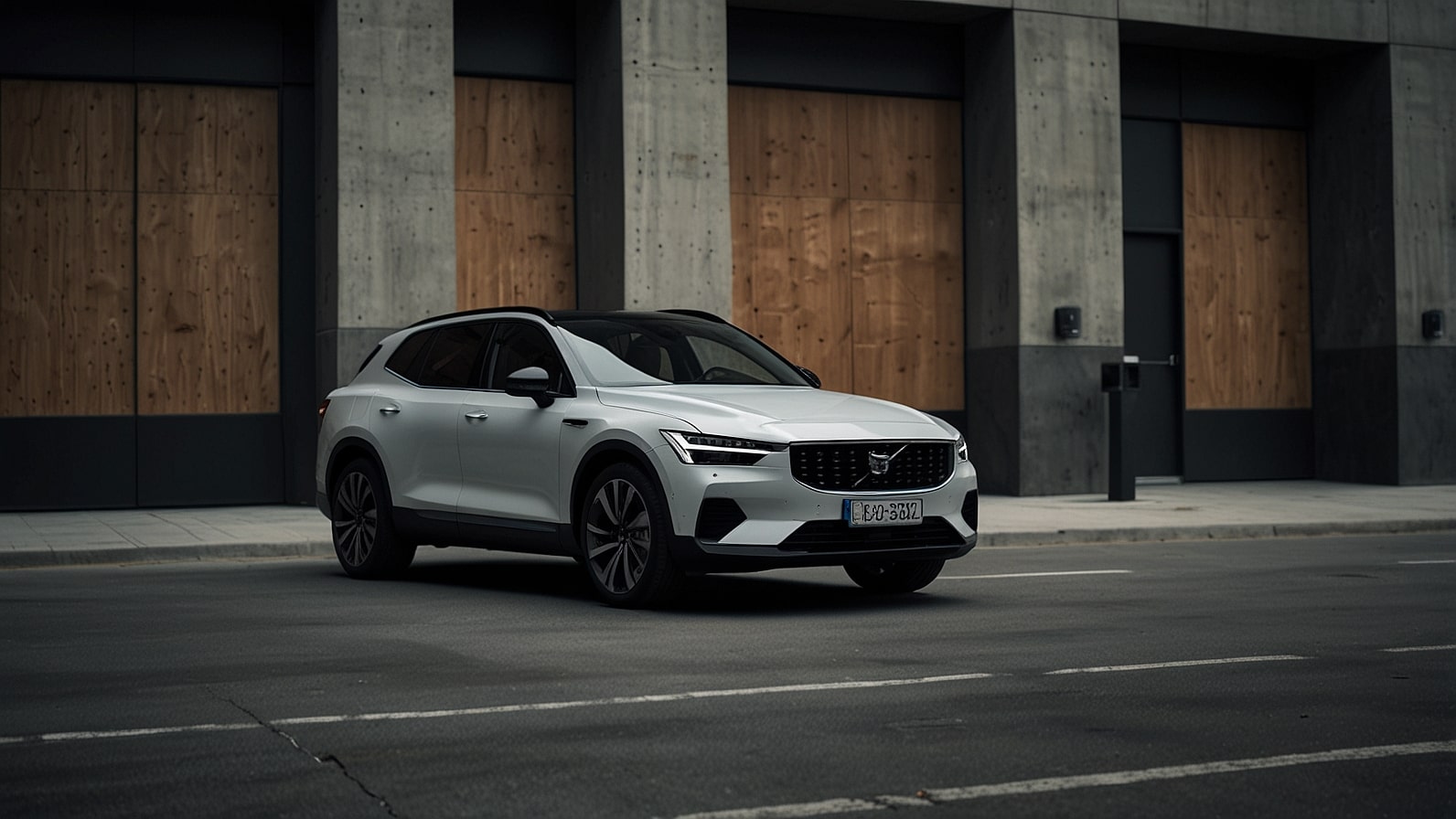
On September 14, 2025, Polestar, the Chinese-supported Swedish luxury electric-vehicle (EV) maker, sent shockwaves when it announced an apocalyptic quarterly loss that has placed the company in existential danger. This devastating underfunding, which has just been announced in financial filings, has led to concerns that Polestar will collapse, as executives disclosed that they had a great deal of uncertainty that it would be around as a going concern.
Investor confidence is wiped out by the news, reducing the stock of Polestar to an all-time low of $0.30 per share, 95 per cent lower than its initial value in 2021. With markets between their knees and rumours of a Geely bailout in the air, this crisis may define the shaky picture of high-end EVs anew, and Polestar is a warning example to the industry.
This is a bombshell in a savage convergence of American tariffs, declining world EV demand, and intense competition in China. However, unlike a few years ago when the brand was a star among environmentally conscious city residents thanks to its smooth Polestar 2 sedan and 3 SUV, it now has to deal with a financial crisis that is threatening to tear the entire ambitious EV empire of Geely that Polestar is a part of, including Volvo and Lotus. As the time runs out, Polestar may either survive on emergency funding or a complete turnaround — here is what is on the line in this electric drama.
Unveiled early on the 14th of September 2025, Polestar’s second-quarter earnings do not look good. The company registered a loss of $1 billion USD net (around 1.5 billion AUD) due to huge write-downs of its flagship Polestar 3 SUV. The offender? 100 per cent U.S. tariffs on Chinese-made EVs, reinstated according to the trade policies of the previous President Donald Trump, which have put the exports of Polestar, made in its Chengdu plant, on its knees. The retail price of the Polestar 3 has risen to unsustainable levels due to the tariffs, increasing it by $85,000 to $170,000 in the U.S., which has stripped the car of demand in one of the key markets.
The pain doesn’t end there. In China, Polestar now has sales that are almost zero, outsmarted by other local powerhouses such as BYD and Nio, which sell cheaper, feature-rich alternatives. The company had a decline of 25 per cent in year-over-year global deliveries, with 13,500 shipments in Q2, far short of the 22,000 required to break even. The amount of cash reserves is declining, and auditors have indicated a material uncertainty concerning Polestar’s ability to fulfill debt obligations. It is heading to bankruptcy by Q1 2026 without a lifeline — potentially a $1 billion Geely injection.
This is not merely a bad quarter; this is a death knell of a brand that put its bet on high-end EVs. Polestar, which used to be a Wall Street hero, lost almost everything, and investors were left hurt, with analysts forecasting that Polestar would go through a fire sale in case Geely decides to pull the plug.
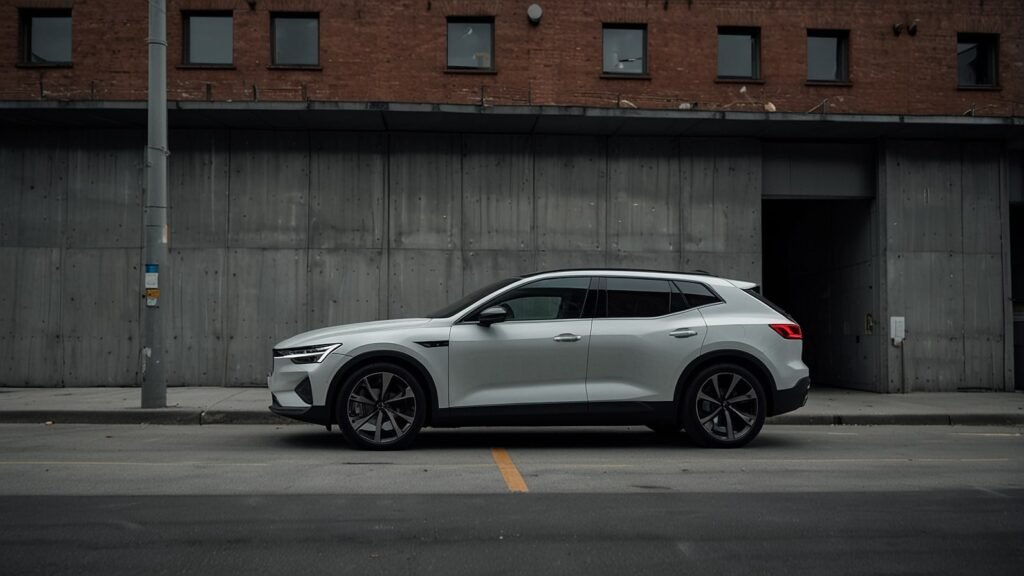
The crisis that Polestar faces is an ideal storm of external shocks and self-inflicted wounds. The increase in tariffs in the U.S. was a punch to the gut, and Chinese-made Polestars cannot be sold in the United States. Plans for a South Carolina factory to avoid tariffs are stuck in red tape, exposing the brand. At the same time, the world EV demand has collapsed, and the U.S. market share remains 7.8 per cent in 2025, according to Cox Automotive. The spotlight is taken by hybrids, which improved their sales by 35% because buyers cannot afford expensive EV prices during inflation.
Polestar is experiencing a bloodbath in China. Rivals such as BYD and Zeekr, another Geely brand, have crushed Polestar with aggressive pricing. Europe also experienced a decline in sales of 30% when EV subsidies were removed by Germany and France. Meanwhile, fluctuating lithium prices have increased battery expenses, tightening margins further. What once was an advantage — Geely’s infrastructure — is now a constraint, as Polestar remains tied to Chinese export restrictions.
Internal blunders made things worse. Aggressive growth and the $300,000 Polestar 6 roadster stretched resources too thin. Centreon’s security of its Coventry R&D centre and a 70 per cent staff reduction underscored the crisis. CEO Michael Lohscheller has been accused of doubling down on premium pricing while ignoring mass-market opportunities.
Lohscheller has not thrown in the towel. He announced in an inflammatory investor call today that Polestar has the full support of Geely, citing a 45 per cent increase in revenue as evidence of strength. Geely is already injecting funds in 2025 with its reserves of $20 billion, and another $1 billion may be on the way. However, analysts question how long Geely can keep Polestar afloat while also managing Lotus and Zeekr.
A radical transformation is the key to survival: the Polestar 7 compact SUV, launching in 2026 at less than $40,000. Based on the Geely and CATL LFP battery platform, it has an ambitious sales target of 120,000 vehicles annually to compete with Tesla’s Model Y. To finance it, Polestar is shutting down design centres, renegotiating supplier contracts, and cutting marketing by 50%. The Polestar 5 will continue as a grand tourer, while the Polestar 6 roadster is delayed, shifting the focus from prestige to volume.
Lohscheller rejected hybrids and restated Polestar as EV-only, consistent with the EU’s 2035 combustion ban. About the strange naming system (Polestar 1 to 7), he said, “It is our DNA, and we cannot change it, it would be like changing Volvo.” Critics argue this brand purity ignores market realities.
The implosion of Polestar is sending ripple effects across the auto world. Ford and GM had already reduced their EV spending by $12 billion hours prior to the news, pivoting to hybrids under the Trump tariff regime and reduced subsidies from the One Big Beautiful Bill Act. Rivian and Lucid are also struggling, with stock declines reflecting investor nervousness. IHS Markit estimates global EV sales fell by 1.5 per cent in Q2 2025, while hybrids soared.
This shakeout may reshape the industry. Weak players are likely to fold, opening the door for consolidation. Geely might seize distressed assets, much like its Volvo takeover, while innovators pivot to solid-state batteries or vehicle-to-grid technology. In Detroit, the caution is evident: Ford cancelled expansion of the F-150 Lightning, and GM postponed the Chevy Bolt EUV.
For current Polestar owners, warranties and service remain safe under the Geely network. But uncertainty clouds potential buyers: will Polestar survive, or will its inventory flood the second-hand market? According to Automotive News, U.S. dealerships are slashing Polestar 2 prices by 20 per cent to clear lots.
Investors face volatility. Polestar has a chance to rebound as a leaner, mass-market competitor if Geely doubles down. But without sufficient funding, bankruptcy or a buyout looms. This saga highlights a harsh truth in the EV market: expensive electrics are difficult to sell in a world demanding affordability.
As September 14, 2025, unfolds, Polestar stands at a crossroads. Will it leverage Geely’s power and the promise of Polestar 7 to escape disaster? Or will it join the EV graveyard alongside Fisker? The next 90 days will be a shock — in every sense of the word.
BYD’s expansive Pingshan complex in Shenzhen is one of those factory tours that leave a lasting impression. One...

A Chinese car is still not available for purchase at an American dealership. Through two administrations, multiple rounds...

You’ll notice something that wasn’t there five years ago if you stroll through a BYD showroom in Bangkok...