The BYD Vertical Integration Premium: Why the EV King is Still Rated a Wall Street “Strong Buy”
BYD’s expansive Pingshan complex in Shenzhen is one of those factory tours that leave a lasting impression. One...
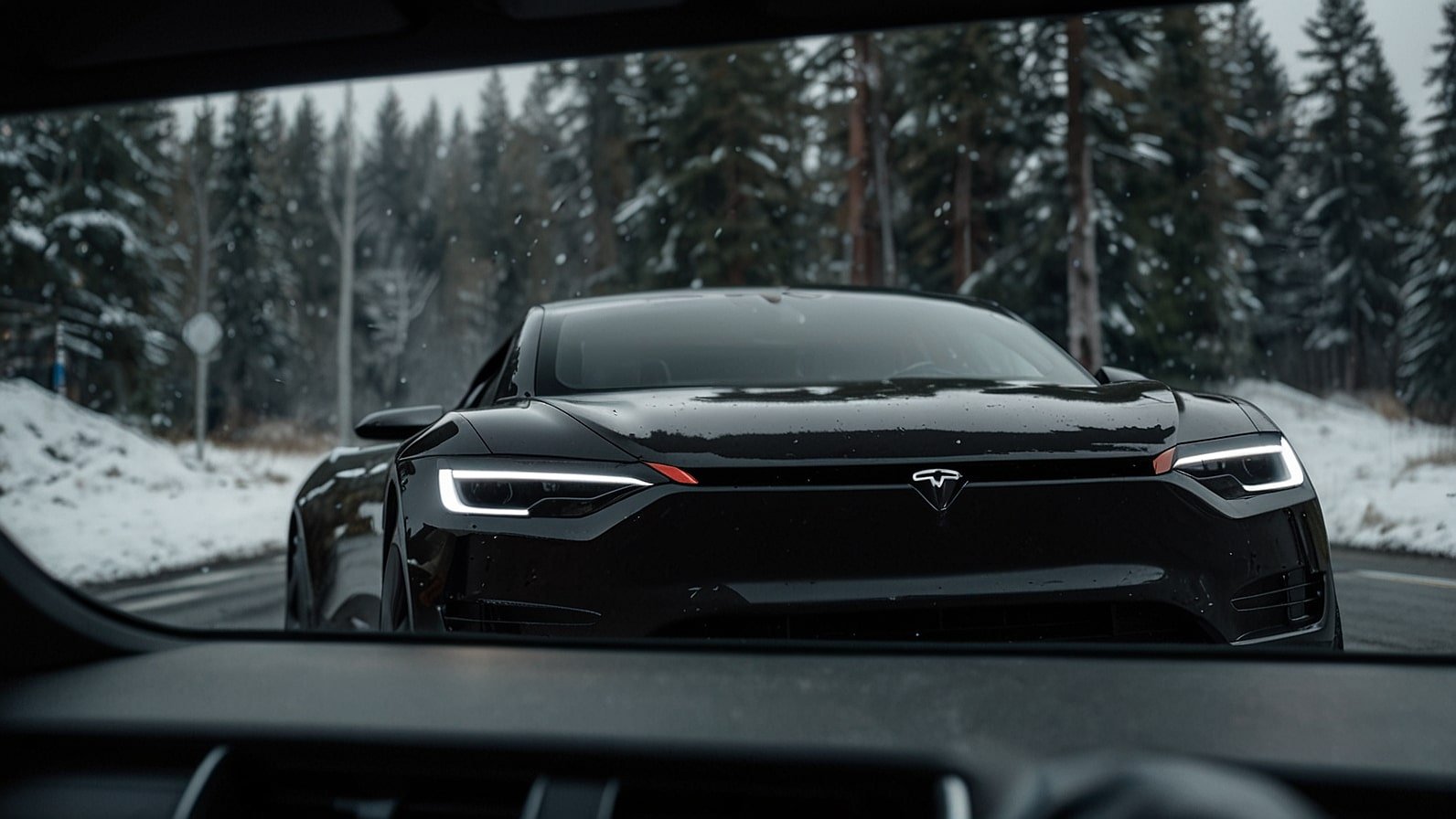
On September 12, 2025, Tesla Inc. plans to shake the car industry by recalling more than 27,000 Cybertrucks because of a potentially disastrous problem with the rearview camera system. The problem, which triggers the camera feed to freeze or lag up to eight seconds when switching to reverse, presents a big crash risk, particularly in high-traffic or narrow areas.
The impact of this recall, involving almost all the Cybertrucks sold since their release on the market, has put Tesla’s flagship electric truck, once again, in the spotlight, where the quality control is questioned, as the company is pursuing the next-gen battery and autonomous driving innovations. Here is an in-depth look at the recall, the overall 2025 plan of the brand, and the implications on EV fans and the industry overall as Tesla needs to work its way out of this crisis.
The recall of the Cybertruck is due to a software malfunction within the car camera system that does not comply with federal safety regulations that mandate a rear-view image within two seconds of reversing into reverse gear. The filing by Tesla to the National Highway Traffic Safety Administration (NHTSA) indicated that the delay (between six and eight seconds) is due to a processing bottleneck in a vehicle’s onboard computer.
This delay would not allow the drivers to notice a pedestrian, a cyclist, or an obstruction, which might lead to a collision. The recall includes all 2024–2025 Cybertrucks with the compromised software, including 27,185 units in the U.S. alone. The research started at Tesla as customers had already reported 12 complaints and three crashes; thankfully, no injuries were reported.
The reaction of Tesla is rapid and technological. To correct the camera lag, which decreases the display time to less than two seconds, the company is issuing a free over-the-air (OTA) software update to correct the issue. The notifications will be sent to the owners starting on September 20, 2025, and they will be able to update their car remotely without having to visit the dealership. Tesla recommends that drivers use side mirrors and be careful when reversing until the repair is installed.
Tesla allows its owners to monitor the status of their vehicle with a VIN through the mobile application or the web. This OTA model emphasises the fact that Tesla has an advantage in solving problems using software, which other car manufacturers in the legacy industry (Ford, GM, etc.) have trouble keeping pace with. The recall, however, contributes to criticism regarding the Cybertruck, which has had several setbacks in its rollout, design flaws, and earlier recalls due to such problems as stuck accelerators and detachable pieces of trim.
Although it was recalled, Tesla is moving on with its 2025 plan, which focuses on autonomous driving and next-generation battery technology. On September 11, 2025, Tesla CEO Elon Musk made a three-hour announcement of new developments of Full Self-Driving (FSD) in Tesla, indicating that version 12.6 is capable of performing at the level of a human driver in an urban setting. The update, which becomes available to the owners of the Model Y and the Model S later this month, will improve navigation through complicated intersections and pedestrian areas, which is a significant step towards the robotaxi aspirations of Tesla. In September 2021, Musk jokingly announced a robotaxi unveiling event in October 2025, at which a full-autopilot version of the Cybertruck might be unveiled, making Tesla one of the first companies to launch a driverless car.
Simultaneously, Tesla announced an innovation in its 4680 battery cells, destined to drive future models such as the reinvented Model Y Juniper and a low-priced compact EV that has been planned to launch in 2026. These cells will guarantee an increase in energy density by 20 per cent and a reduction in the cost of production by 15 per cent, which can bring the price of the entry-level Tesla to less than $25,000. On September 12, 2025, Tesla’s Gigafactory in Nevada was reported to be ramping up 4680 manufacturing, which resolved previously experienced bottlenecks in supplies. Such a move will support Tesla in its objective of creating 3 million vehicles a year by 2027, compared to 1.8 million in 2024. This cost-cutting emphasis of the company is timed when EV demands in the U.S. are on the rise, and the sales make 9% of the market share in August 2025, according to industry data.
On September 12, 2025, Tesla also came into the news when it donated $1 million to Texas A&M University STEM. The project will provide engineers with training on EV and battery production, further supporting Tesla in terms of innovation and human resources development. This is after other educational collaborations, which mark the long-term investment in Tesla’s development of talent to maintain its network of Gigafactories across the United States.
The Cybertruck, with its polarising angular design and stainless steel exoskeleton, is still a pop culture trend. In Q2 2025, Tesla shipped 25,000 vehicles, which is 12 per cent of the electric pickup market in the U.S., although there were some hiccups in production. The Cybertruck ranges between $79,990 and $99,990 against the Ford F-150 Lightning and Rivian R1T, with unmatched towing capacity (11,000 pounds) and 320-mile range in the highest models. But the recall has created frustration within social media circles, as some owners have taken to complaining about the continued quality problems. Posts on X are about worries about Tesla manufacturing on accelerated times, but others justify the company by its transparency and quick OTA repairs.
The overall market performance of Tesla is good. On September 10, 2025, the stocks of the company were upgraded due to increased recommendations of the price targets by the analysts who cited high Q3 delivery forecasts of 480,000 vehicles. This momentum indicates that Tesla can withstand any adversity, as the technology-based culture has helped the brand sustain investor and consumer trust. This Cybertruck recall, although severe, will not hurt long-term demand, considering that Tesla is perfecting its manufacturing and software systems.
The case of the Cybertruck recall highlights a more general challenge in the EV sector: making sure that vehicles can be reliable as they become more complex in terms of software and hardware. With cars becoming mobile computers, glitches such as camera lag and sensor malfunctions may become more frequent and should be tested with strict procedures. The OTA fix of Tesla is a precedent, but the competitors, such as GM, which have to deal with a 450,000-vehicle recall due to a brake issue, do not have such remote capabilities. This vulnerability may hasten the shift of customers to those brands whose ecosystem supports strong software.
To Cybertruck owners, the recall is a wake-up call that they should be on the lookout. The driver is advised to test the rearview cameras instantly and use the mirrors until the update has been installed. The NHTSA is keeping an eye on how Tesla is reacting, and authorities can pressure Tesla to implement more stringent software validation rules in the industry. In the meantime, the suppliers are under pressure to keep pace with the rapid production of Tesla, and there are reports of stricter quality control at camera module manufacturers.
The story of Tesla 2025 is one of hope and misfortune. The recall of the Cybertruck, in spite of being a setback, indicates that the company can act with the help of technology with the necessary speed to fix the problem. Tesla needs both innovation and quality assurance to stand out as it strives to make EVs affordable with sub-25,000 vehicles and Autopilot with FSD. The October robotaxi would be a game-changer, with a driverless Cybertruck on display and the repeat of the revival of the vision of a fully autonomous future by Musk.
To consumers, the recall is a small hiccup in the transformational path that Tesla is taking. As U.S. vehicle sales reach 16.1 million units per year in August 2025 and EVs become widespread, Tesla will be in a position to tap into rising demand due to the focus it will have on cost-effective models. Discounts can be stimulated by the expiry of federal EV tax credits in September 2025, so it is currently an excellent opportunity to think about a possible Model 3 or Mach-E competitor. The resulting investments of Tesla in STEM also indicate the long-term sustainability, which guarantees a talent pool to fuel the company.
Tesla has a chance to transform a potential PR crisis into a statement of survivability as it walks through this recall; its transparency and tech-oriented solutions may prove. The owners should remain active, implement the Tesla OTA update and monitor the Tesla app to provide updates. The future of the road is electric, autonomous, and promising—unless Tesla continues to place quality in the driver’s seat.
BYD’s expansive Pingshan complex in Shenzhen is one of those factory tours that leave a lasting impression. One...

A Chinese car is still not available for purchase at an American dealership. Through two administrations, multiple rounds...

You’ll notice something that wasn’t there five years ago if you stroll through a BYD showroom in Bangkok...