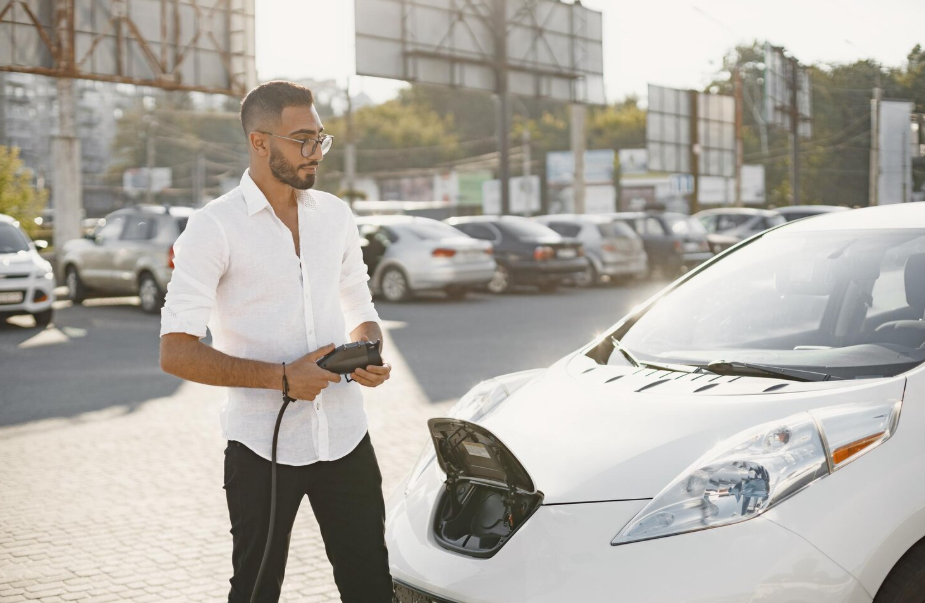
The BYD Vertical Integration Premium: Why the EV King is Still Rated a Wall Street “Strong Buy”
BYD’s expansive Pingshan complex in Shenzhen is one of those factory tours that leave a lasting impression. One...
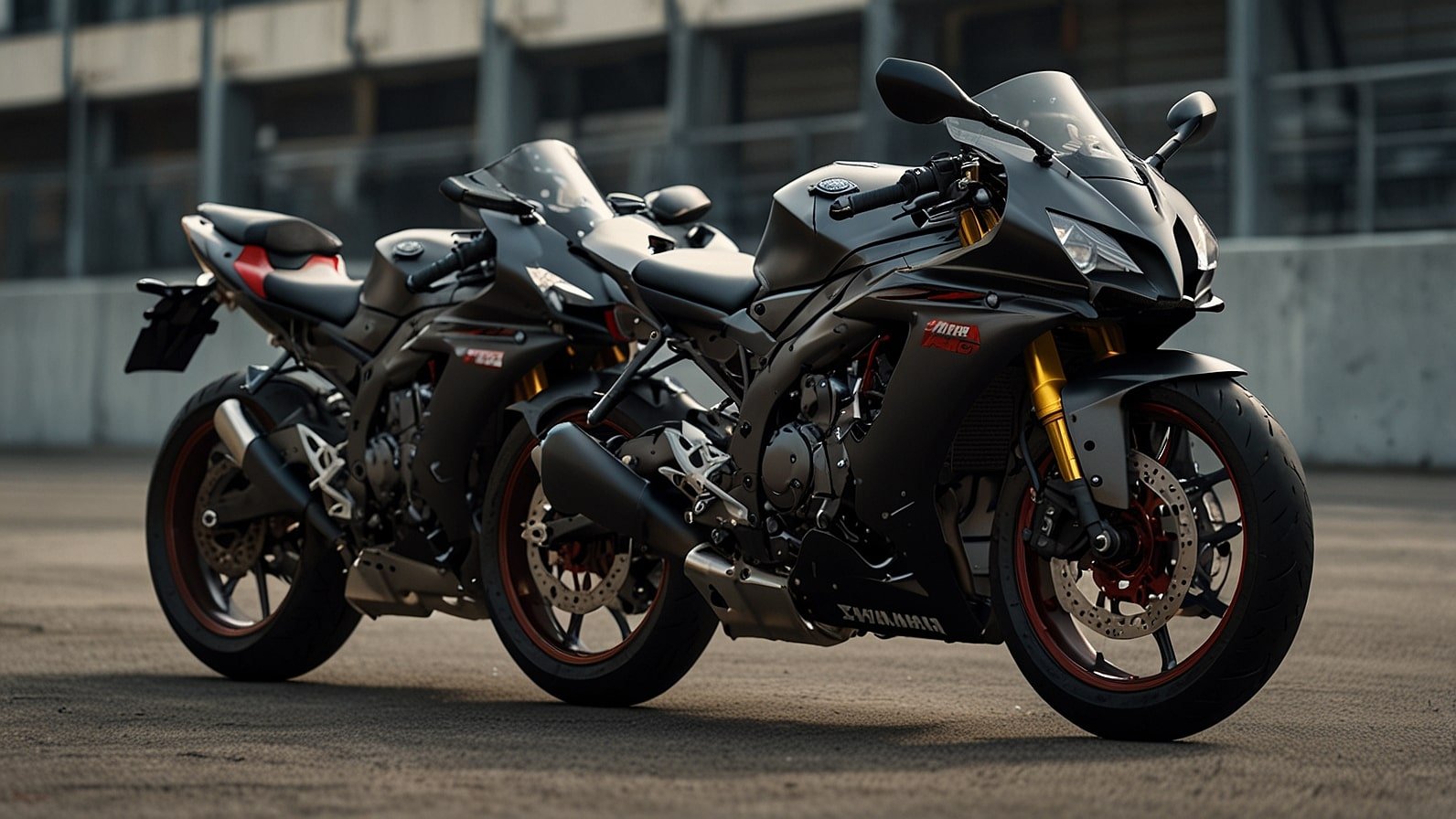
The performance motorcycles of Yamaha are flying to new heights, as, in August 2025, the 2025 Yamaha R15 V4 and the MT-15 Version 2.0 are going to achieve new heights of sales never before seen. Japanese motorcycle manufacturer said it delivered 85,000 units of the two models alone the previous month around the world, and a year-on-year growth of 30 per cent of the global sportbike market, which places the company at 15 per cent.
The R15 V4 and the MT-15 V2 have stimulated riders in Asia, Europe and Latin America with their new radiant colour schemes, enhanced technology upgrades, and aggressive pricing. With the motorcycle business moving towards performance and style, the new success of Yamaha makes it a force in the two-wheeler market, competing with such competitors as KTM and Honda.
This sales frenzy is part of a larger push in sales of motorcycles that are sporty and affordable, with young riders in urban areas in search of speed and style. The R15 V4 selling 48,000 units and the MT-15 V2 selling 37,000 units, the strategic approach of Yamaha to combine the best features with affordable prices has been successful, and the products are the most popular in the 150cc-160cc category.
The success of the R15 V4 and the MT-15 V2 is based on the history of producing sportbikes that are rider-centric at Yamaha. The 2025 R15 V4, launched in September 2024 as part of the “Call of the Blue” campaign, will feature bolder new colours, such as Matte Pearl White and Vivid Magenta, as well as a 155cc liquid-cooled engine that will produce 18.1 bhp at 10,000 rpm.
It is priced higher at $2,100 (around Rs. 1.85 lakh) with high specifications such as a quick-shifter, traction control, and a digital dashboard that is linked to a smartphone, which would be attractive to enthusiasts who desire to have track-inspired performance. The aerodynamic covering and the Moto-GP-like styling of the R15 V4 have seen the version of the bike become popular with Thai and Indonesian markets, where it sold 25 times more in August 2011 compared to the KTM version, the RC 160.
The MT-15 Version 2.0 is a naked roadster priced at $1,900 (approximately Rs. 1.69 lakh), designed for the urban rider with its agile handling and distinctive naked roadster style. Its 155cc engine provides 18.1 bhp and 14.1 Nm of torque, and its lightweight 141kg frame makes it ideal for commuting around the city.
New colour choices such as Cyber Green and Matte Stealth Black have created a buzz on social media sites such as X, where riders have enjoyed its aggressive stance and LED projector headlamps. The data on sales in the month of August indicates the supremacy of the MT-15 V2 in the European market, especially in Germany and Spain, where it had secured a market share of 20 per cent in the naked bike segment.
Its production centre at Yamaha in Iwata, Japan, has been scaled up to match its demand, with an output of 1 million units of these models every year. This has resulted in a wait time up to 8 months in certain regions; however, due to bottlenecks in the supply chain in certain areas, especially for semiconductor chips required in the bikes’ ECUs. In response, Yamaha is spending $500 million on a new Malaysian assembly facility, which will start operation in the middle of 2026 and increase its production by 30 per cent. 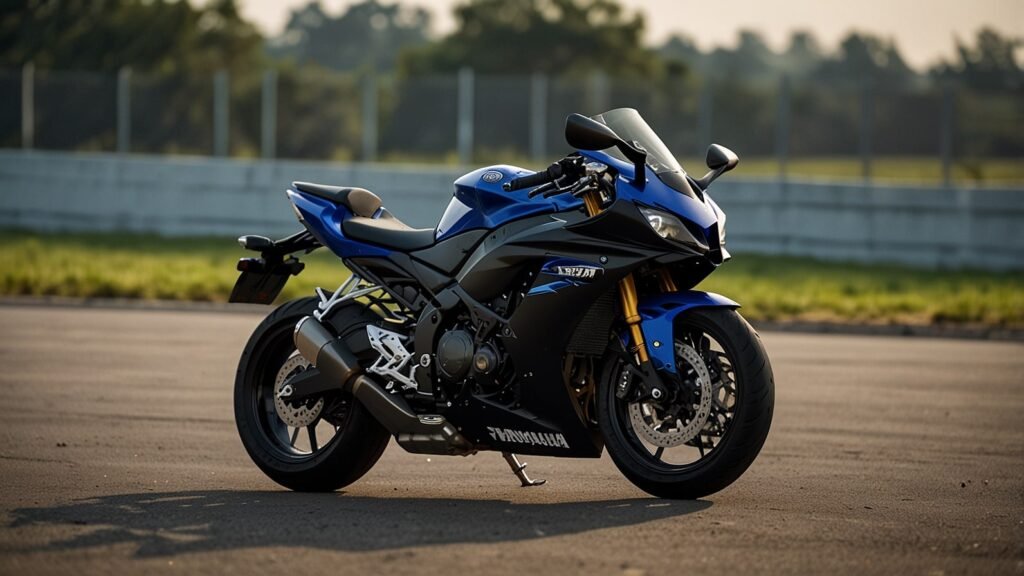
The sportbike industry in the world has a total of 10 billion dollars as an industry, and the brands KTM, Honda and Suzuki have competed to be the supreme brands. With the market share of 150cc-160cc being 15 per cent, leading by 4 per cent over KTM (12 per cent) and Suzuki (10 per cent), the R15 V4 and the MT-15, V2 are more successful than their competitors, such as the KTM 160 Duke, the Honda CB150R.
The Yamaha sales in Asia, where 60 per cent of the global motorcycles are sold, have soared by 40 per cent in Thailand and 35 per cent in Indonesia in August due to the racing heritage of the R15 V4 and the urban image of the MT-15 V2.
The marketing of Yamaha has proved decisive by using influencer collaboration and virtual ride-along marketing campaigns to demonstrate the performance of the bikes. Freedom and adrenaline have resonated with Gen Z riders, and 70 per cent of buyers are in the 18-30 age bracket with the Call of the Blue initiative. Its traction control and slipper clutch (unusual in its price range) have been lauded to increase the level of safety and rideability, especially in wet weather. In the meantime, the single-channel ABS of the MT-15 V2, combined with the lightweight chassis, has made it popular among urban commuters who have to live on busy streets.
Challenges loom, however. The increasing cost of raw materials, specifically aluminium and lithium in battery production, has caused the cost of production to rise by 12% in 2025, and Yamaha has had to absorb part of the costs in order to remain competitive. More rigid regulatory barriers, like reduced other emission norms in Europe, also demand a continued investment in the field of R&D. Irrespective of these, retail sales surpassed the growth of wholesale by 10 per cent in August, which suggests high demand among consumers and not an accumulation of inventories by dealers.
Yamaha 2025 models are technologically progressive. The Y-Connect application on the R15 V4 allows the rider to monitor their fuel consumption, maintenance, and get their navigation alerts via Bluetooth, an option that has increased its popularity with riders who are technologically inclined.
The MT-15 V2 brings on a variable valve actuation (VVA) system, which optimises the delivery of power at various RPM ranges to ride more smoothly. The two bikes also bring in environmentally friendly materials, 20 per cent of which is recycled, which is in line with global trends towards sustainability.
The R15 V4 has lap timers and a gear position display on its digital instrument cluster, which is designed to suit the needs of the track lovers and the simple nature of the MT-15 V2 is built with a less-is-more design. The inclusion of over-the-air updates to the models also means that Yamaha keeps both models up to date on the improvements in the software, which is uncommon in the sub-2500 market. Some of these innovations have been compared to the high-end product, such as Ducati, but Yamaha has emphasised affordability, with the company remaining more accessible to a larger customer base. 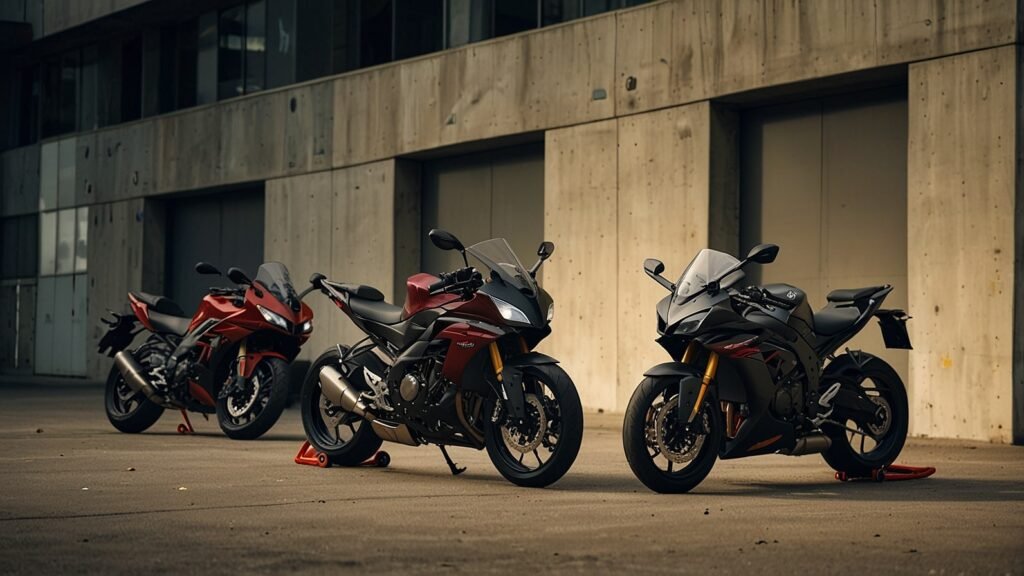
When Yamaha achieved success in August 2025, it spread to the motorcycle industry. Yamaha is also going head-to-head with Honda in the 150cc segment in Latin America with the MT-15 V2 in Brazil, recording a 50 per cent sales increase. Tougher CO2 laws in Europe have increased demand for more economical sportbikes, as the R15 V4 is making inroads in Italy and France. The affordability of the bikes has also created some interest in the emerging markets, such as Vietnam, where Yamaha will introduce a localised R15 V4 variant in 2026.
The rest of the industry is experiencing the heat. KTM has seen its sales of the 160 Duke fall by 5 per cent in August, in part because of the competitive pricing offered by the R15 V4, and Honda is rushing to update its CB150R to counteract the Yamaha wave. Yamaha is also likely to cause a 10 per cent price increase in Q3 2025, which could impact smaller manufacturers by increasing global chip demand, already at its limit. In the future, it is predicted that analysts will sell 1.5 million R15 and MT-15 units of motorcycles by 2028, with 20 per cent of the world’s sportbike market.
Yamaha has a lot more to offer than models today. The company is working on an electric hybrid 200cc sportbike, which will have electric assistance with a gasoline engine to achieve 70 mpg efficiency, and is planned to launch in 2027. This is being driven by a 1 billion R&D to develop AI-assisted riding modes and lightweight carbon-fibre frames to transform the sub-250cc segment. A new plant in India, to produce 500,000 units per year, will also cement the global presence of Yamaha.
Yamaha’s record August 2025 goes to show that the company has mastered the sportbike market. The R15 V4 and the MT-15 V2 have not only broken the sales record but have established a new performance, technology and style at affordable prices. With a bigger output and more innovations on the way, it is evident that the call of the blue is being heard in every corner of the world, and the competitors are left behind, and riders are ready to take the next ride.
BYD’s expansive Pingshan complex in Shenzhen is one of those factory tours that leave a lasting impression. One...

A Chinese car is still not available for purchase at an American dealership. Through two administrations, multiple rounds...

You’ll notice something that wasn’t there five years ago if you stroll through a BYD showroom in Bangkok...