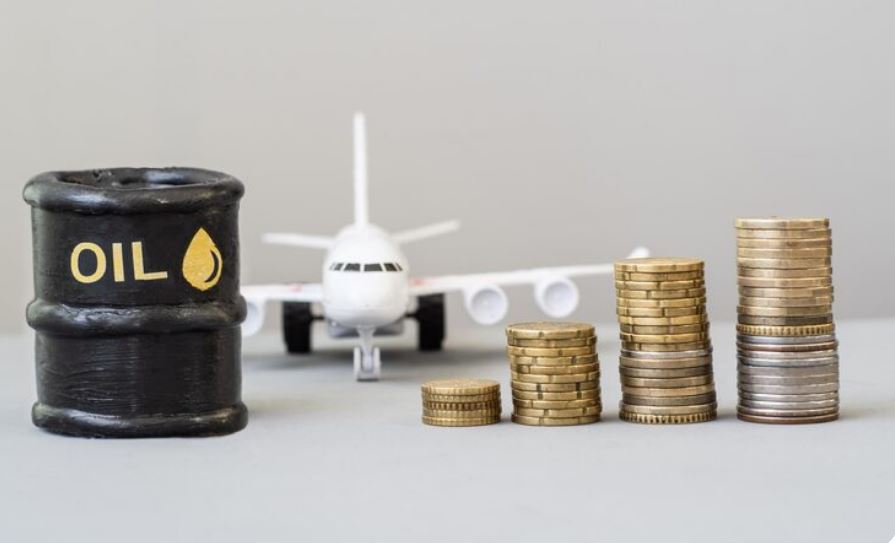
Jet Fuel Is Up 100% and Airlines Are Paying the Price, Here’s the Financial Model That Separates Survivors From Casualties
Earlier this month, a digital screen flickered through a red column somewhere in the Fort Lauderdale departures hall....
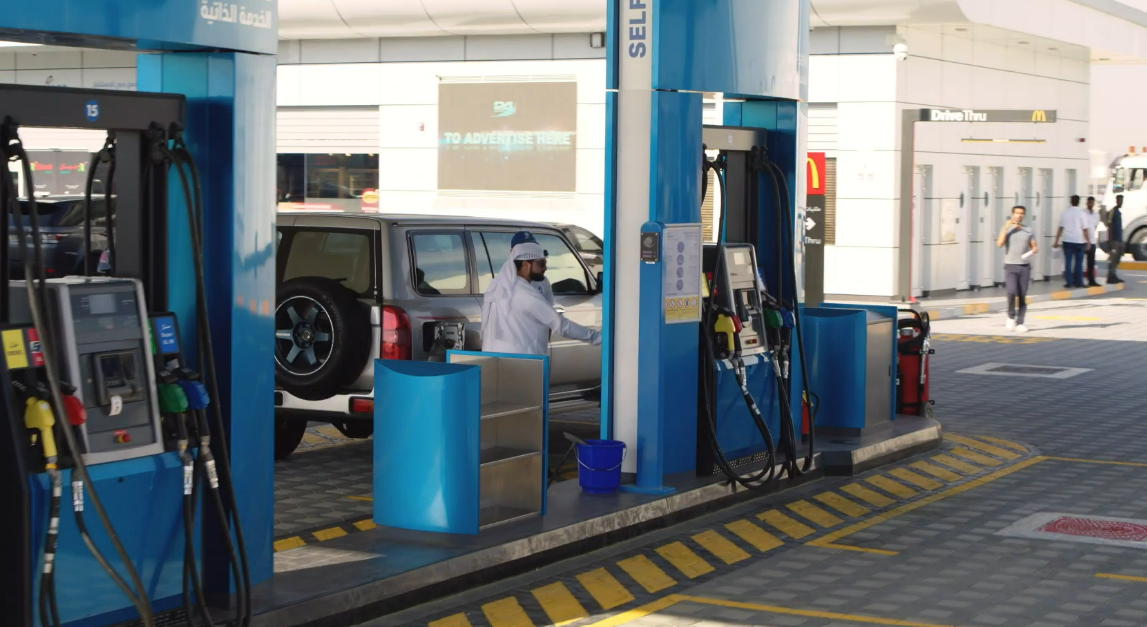
Three days after the United Arab Emirates formally left OPEC, on May 4, 2026, ADNOC hosted its first Make it With ADNOC Forum in Abu Dhabi, which brought together executives, manufacturers, and energy partners. The announcement was not made quietly in the boardroom. It was more akin to a declaration. The state oil giant announced plans to expedite one of the most ambitious capital programs in the global energy industry by awarding up to $55 billion in project contracts between 2026 and 2028. The figure is astounding. However, the timing is just as important as the scale.
The UAE had been quietly protesting the output restrictions imposed by OPEC and the larger OPEC+ alliance for years. While quota negotiations dragged on, the nation continued to watch its significant spare production capacity, which was reportedly among the highest of any member, sit idle. Speaking with analysts who closely monitor Gulf energy, it seems that the decision to leave OPEC was the result of long-standing frustration rather than a hasty one. It seemed as though Sultan Al Jaber had been waiting to speak about a “defining execution phase” for a long time.
In November 2025, ADNOC approved a larger $150 billion capital expenditure plan, which includes the $55 billion in new project awards. Therefore, in a way, this isn’t new money; rather, it’s old money that is being used more quickly and with fewer restrictions. ADNOC is effectively stating that the plan was always this after being released from quota obligations. We were simply unable to travel at full speed. This distinction is important because it shows that the company isn’t adapting after OPEC. It’s carrying out something that was prepared.
The production goals are equally challenging. Reaching 5 million barrels per day by 2027 has long been ADNOC’s objective. That goal was reiterated at the forum, along with a detailed outline of the investment pipeline needed to reach it. The majority of spending will go toward upstream oil and gas expansion. However, significant attention is also being paid to the downstream side, which includes petrochemicals, manufacturing, and refining. Al Jaber emphasized the importance of local procurement, pointing out that approximately AED 200 billion of the 2026–2028 budget would go to suppliers and manufacturers in the United Arab Emirates. It’s a convincing case for economic nationalism dressed in business jargon.
The international aspect is also fascinating. It appears that XRG, ADNOC’s investment division, has been assessing transactions in the US natural gas industry. This signal is noteworthy. The U.S. LNG market has been expanding, and it is worthwhile for a Gulf producer with substantial capital and inexpensive barrels to consider American gas assets. ADNOC may be attempting to develop a global portfolio instead of just a regional one; this approach is similar to what Saudi Aramco has been pursuing for years with downstream investments throughout Asia and Europe.
However, there is one important complicating factor: the Strait of Hormuz. Gulf oil and gas exports were essentially bottlenecked at the time of the forum due to the strait’s continued disruption caused by regional conflict. If the ships are unable to depart, ADNOC cannot immediately increase production, even with a $55 billion investment plan and no OPEC quota to worry about. The UAE can withstand a period of lower prices or restricted exports better than many of its neighbors, according to Wood Mackenzie analysts, because of its comparatively low fiscal oil price breakeven. However, the immediate future is still unclear.
The timing of all of this, including the investment announcement, the forum, and the OPEC exit, has been handled with a great deal of political skill. The UAE has taken care to portray its exit from OPEC as a matter of national interest rather than hostility toward the cartel. Sultan Al Jaber’s public remarks have been measured. However, the message is clear: Abu Dhabi wants to optimize its hydrocarbon earnings on its own schedule and under its own conditions. It’s unclear if that eventually makes OPEC even weaker or just modifies the organization’s internal dynamics.
With billions of dollars at stake and the entire world watching, ADNOC is attempting something that very few national oil companies have done so publicly: a full strategic reprogramming carried out in real time. It will take years for Abu Dhabi’s offshore platforms and manufacturing corridors to demonstrate whether this risk is worthwhile. However, there is a subtle recognition that something has changed in the trading floors and boardrooms that monitor this area. ADNOC was unfazed when the UAE left OPEC. And no one missed the point thanks to the $55 billion announcement.
Earlier this month, a digital screen flickered through a red column somewhere in the Fort Lauderdale departures hall....

The math just works in a quiet area of aviation finance. The majority of the work in the...
Some investment announcements don’t appear on the front page, but they most likely ought to. That’s precisely what...