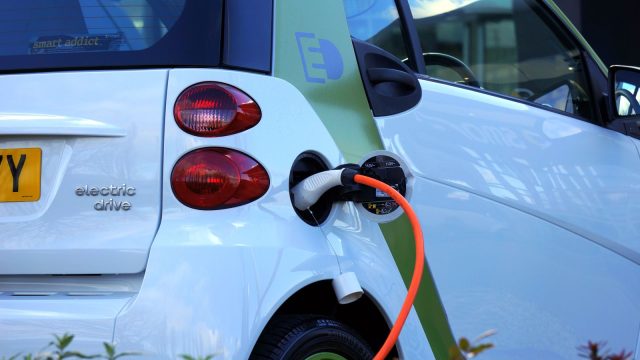
Budget sets aside £100m to cut prices at lower-powered public EV chargers from spring 2027
The government will give £100m over two years from spring 2027 to cut prices at lower-powered public EV chargers near homes, saving drivers around £150 a year.

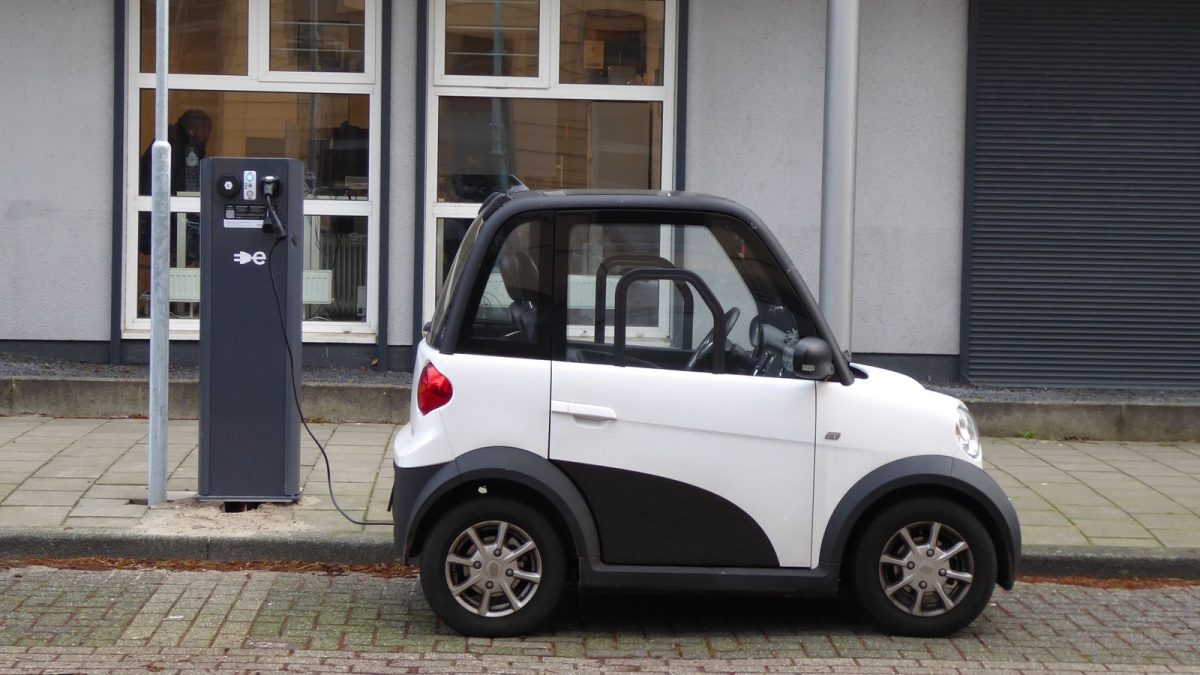
The government will provide £100m over two years from spring 2027 to cut prices at lower-powered public EV chargers, saving drivers around £150 a year.
The money covers chargers typically found on residential streets, where drivers leave vehicles for several hours or overnight, the government said. These make up around a third of the current charging network.
An independent review of public charging costs, announced at Budget 2025, found that average prices since 2021 have risen by 69% for lower-powered chargers and 94% for higher-powered ones, in real terms.
The £100m does not extend to higher-powered chargers, such as those at motorway service areas or electric forecourts, where the larger rise was recorded.
The government said higher public charging costs risk “slamming the brakes on that progress”, and put EV sales up 36% on last year.
How the cut will reach drivers has not been set out. Electrive reported that it is unclear whether the money will subsidise charge point operators directly, reimburse them for discounts, or work through another scheme.
The government will also set up a taskforce led by industry experts on "tariff porting", which would let drivers use their cheaper domestic energy tariff at certain public chargers. The Department for Transport will set out more details in due course.
The review suggested that tariff porting, alongside other measures, could reduce local public charging costs by 15-20p per kilowatt hour, electrive reported.
VAT on public charging stays at 20%. Domestic electricity is usually charged at 5%, temporarily reduced to zero from October, electrive said.
The Budget proposes legislation to clarify the 20% treatment of publicly accessible and workplace charging from 1 November.
Around a third of UK households have no off-street parking or driveway, the government said, and it points to home charging as the cheaper route for them.
From 21 October, drivers no longer need planning permission for cross-pavement chargers, which run under pavements from homes to cars. The government said this saves up to £300 on installation and allows home charging for as little as 2p per mile.
There are over 124,000 public charge points in the UK, up 7.4% year on year, the government said. It has already committed £600m to the rollout, including £480m for the Local EV Infrastructure fund to help local authorities and operators install over 100,000 more chargers across England.
Wider EV charging policy already includes £7.5bn out to 2035 for the transition, of which £2bn is the Electric Car Grant, which the government said has helped over 190,000 drivers save up to £3,750 off a new EV.