ICCT study finds weakening EU car CO2 rules could cut up to 185,000 jobs by 2035, 6% below 2025
ICCT modelling says a five-year delay to EU car CO2 standards could leave employment up to 6% below 2025, half a million jobs short of an industrial-policy path.

The International Council on Clean Transportation said weakening the EU’s car CO2 standards could cost up to 185,000 jobs by 2035, leaving employment 6% below 2025 levels.
Keeping the current standards would hold 2035 employment within about 2% of 2025 levels, the ICCT said.
Adding industrial measures that support EU-based production would raise net employment by about 10% on 2025, or around 320,000 additional jobs.
Set against that industrial-policy pathway, a delay to the standards would leave an employment gap of half a million jobs by 2035.
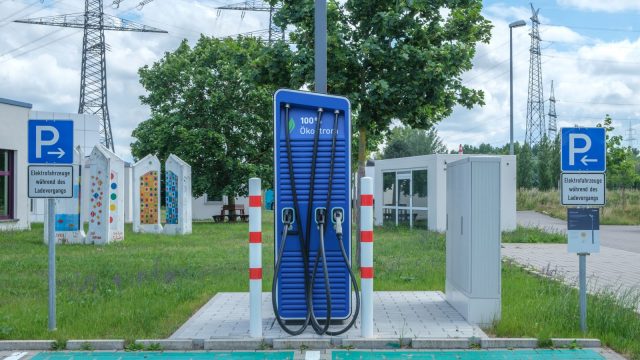
The ICCT, an independent non-profit research body, said the losses come from slower growth in battery electric vehicle production, battery production and recycling, and charging infrastructure installation and maintenance.
A weaker regulation would temporarily stall job losses in combustion engine production, the ICCT said, but not enough to offset those lost gains.
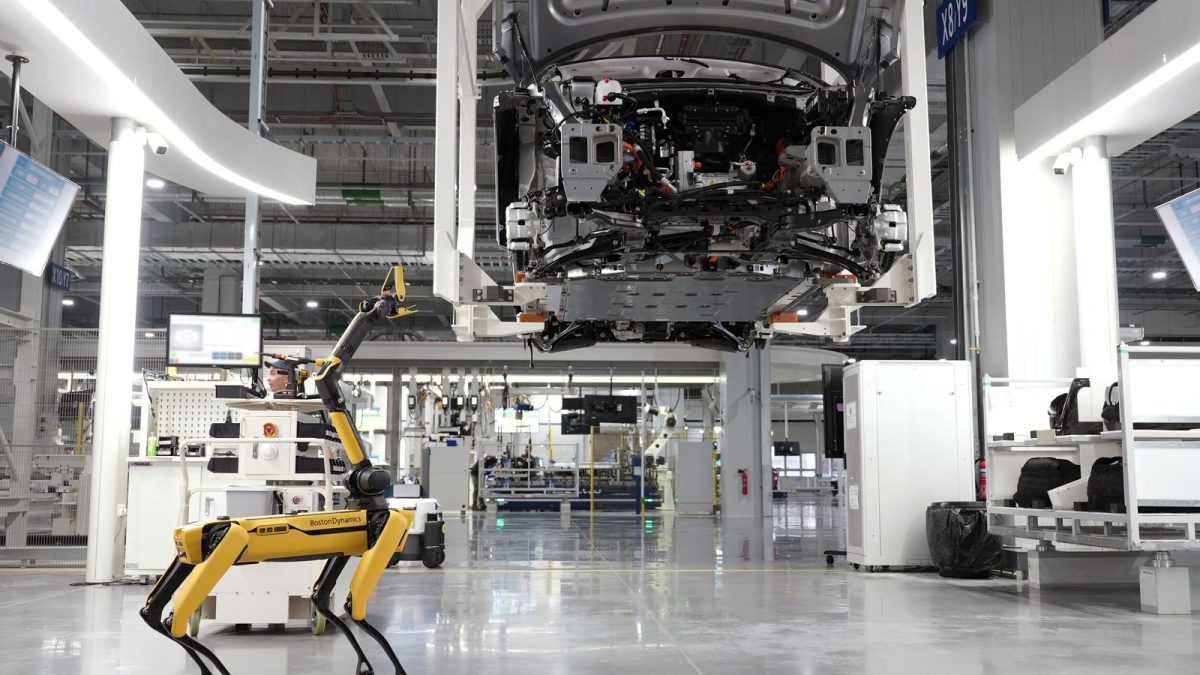
Passenger car production accounts for the largest share of the differences between the three pathways. Battery work and charging infrastructure contribute increasingly over time.
Sandra Wappelhorst, ICCT Research Lead and the study’s main author, said: “Weakening the CO2 standards is being presented as a way to protect jobs, but our analysis shows the opposite.”
The near-term differences between pathways are modest. Through 2030, the ICCT said, the gap in employment stays small.
For cars, the EU regulation currently sets fleet-wide emission targets of 55% by 2030 and 100% by 2035, compared with 2021 levels.
The EU is reviewing those standards. Several proposals under discussion would weaken the 2030 and 2035 targets, through delays or added compliance flexibilities.
Some proponents of a delay argue that the shift to battery electric vehicles puts European jobs at risk, the ICCT said.
The study modelled three scenarios. The baseline reflects the standards adopted in June 2025, including a fleet averaging mechanism for 2025 to 2027.
The Policy Action scenario keeps the 2030 and 2035 targets and adds measures to strengthen EU value creation. These include local content policies, such as those proposed at EU level under the Industry Accelerator Act, and subsidies for vehicle and battery production.
The ICCT did not model those measures individually. It used broad assumptions linking them to a higher EU production share of battery electric and plug-in hybrid vehicles.
The Delayed Standards scenario assumes a five-year delay. Battery electric and plug-in hybrid shares would rise moderately through 2030, and new car sales would reach 100% battery electric in 2040.
The ICCT described the five-year delay as a simplifying assumption. In practice, it said, weakening could take other forms, including additional credits for battery electric and plug-in hybrid vehicles, averaging mechanisms or other compliance flexibilities.
The study isolates employment effects tied to electrification. It does not assess automation, productivity, digitalisation, manufacturing changes, global supply chains, geopolitical developments or broader economic trends.
As Automotive World reported, the findings cover electrification alone, excluding automation, productivity and indirect jobs such as retail and after-sales.
The study also does not assess workforce turnover, skills or training needs.
Peter Mock, ICCT Europe Director, said: “Battery electric vehicles are winning in markets globally, and the EU’s CO2 standards will help decide Europe’s role in this development.”