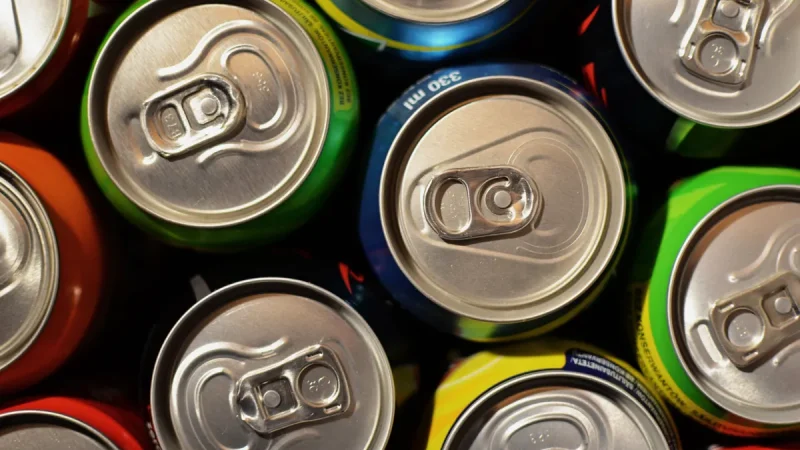
PepsiCo North America Turnaround Stalls as Profit Forecast Gets Cut
The PepsiCo (PEP) North America turnaround is taking longer than the company or Wall Street wants, and Thursday’s...
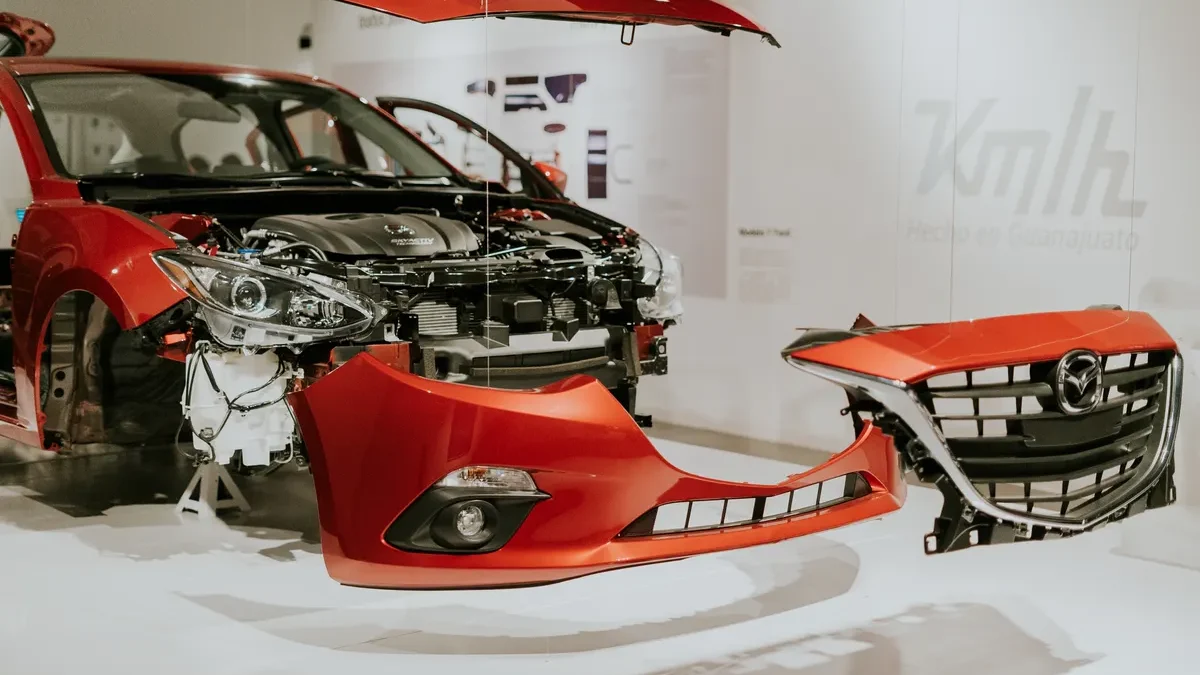
The FAW Toyota deal is Toyota’s clearest admission yet that running two separate joint ventures in China has become too expensive. Toyota’s official newsroom confirmed a three-way alliance framework signed with FAW and Guangzhou Automobile Group (GAC), under which GAC will acquire FAW’s 50% stake in FAW Toyota through a share issue, making FAW a strategic shareholder in GAC. The arrangement ties Toyota’s two Chinese state-owned partners to each other, with both joint ventures at the center.
GAC plans to issue consideration shares to FAW Group at 5.75 yuan per share to fund the stake acquisition, according to Just Auto. A second, separate non-public A-share issue to no more than 35 independent third-party investors is also planned to raise supporting financing, though that financing is conditional on the acquisition completing, not the other way around.
FAW Toyota will remain a legally independent entity rather than being absorbed into GAC Toyota outright. A later phase will pool research, procurement, production, and sales across both ventures. The read here is deliberate sequencing: Toyota and its partners are avoiding a regulatory and structural shock by merging functions before merging legal entities, if they ever do.
One structural detail worth flagging: FAW Toyota’s financials will not be consolidated into GAC’s accounts following the acquisition. For investors in GAC’s listed shares, that limits the direct earnings uplift from gaining exposure to FAW Toyota’s profitability. FAW Toyota posted unaudited net profit after tax of 4.71 billion yuan in 2024 and 4.23 billion yuan in 2025, with 1.01 billion yuan in the six months ended 30 June 2026. Total assets stood at approximately 43.06 billion yuan and net assets at approximately 29.66 billion yuan as of 30 June 2026, according to Just Auto. Those numbers stay off GAC’s consolidated balance sheet.
The deal still requires shareholder approvals, clearance from the Shanghai Stock Exchange, and registration with the China Securities Regulatory Commission. No transaction value or timeline was disclosed.
The strategic rationale is not subtle. Industry data cited by Yahoo Finance show GAC Toyota’s sales plunged 24% to 375,000 units in the first eight months of 2026. Toyota has partnered FAW since 2002 and set up GAC Toyota in 2004; together the two ventures have sold to more than 23 million Chinese customers. Running duplicate supply chains and R&D programs made sense when volumes were growing. It makes much less sense now.
The backdrop is a sector-wide policy push. In September 2026, Chinese government agencies released a five-year plan for the auto industry calling for curbs on capacity expansion, tighter entry standards for new market participants, and explicit support for consolidation, according to Dow Jones via Morningstar. This deal fits that framework almost point for point: two state-owned partners merging stakes, Toyota coordinating across both, and a stated commitment to electrification and intelligent vehicle technology.
GAC’s A shares, which had been suspended from trading since September 14, resumed on the Shanghai Stock Exchange on September 29, 2026 and closed 10% higher at 5.60 yuan. That initial market reaction reflects some optimism about cost synergies and the consolidation logic. The catch is that without FAW Toyota consolidating into GAC’s accounts, the financial benefit to GAC shareholders is indirect at best: lower shared costs and a stronger negotiating position with suppliers, rather than a direct earnings contribution from FAW Toyota’s profitable operations.
Following completion, Nikkei Asia reports that FAW Group would become GAC’s second-largest shareholder. GAC has said the deal will not alter its actual controller. The ownership structure concentrates Chinese state capital across both ventures while leaving Toyota as the foreign partner common to both, a configuration that gives Beijing-aligned entities more collective leverage over the JVs’ strategic direction.
Toyota said the three companies will steadily advance necessary procedures based on market and customer needs, strict compliance, and mutual trust, and will deepen collaboration to contribute to the sustainable development of China’s automotive industry. That language signals patience, not urgency. The bull case is that shared procurement and R&D genuinely restores competitiveness against domestic EV brands. The bear case is that the governance complexity of a three-party, two-JV structure slows decisions at exactly the moment speed matters most. The verdict on which prevails depends on how fast the functional integration actually happens, and that timetable has not been disclosed.
The PepsiCo (PEP) North America turnaround is taking longer than the company or Wall Street wants, and Thursday’s...
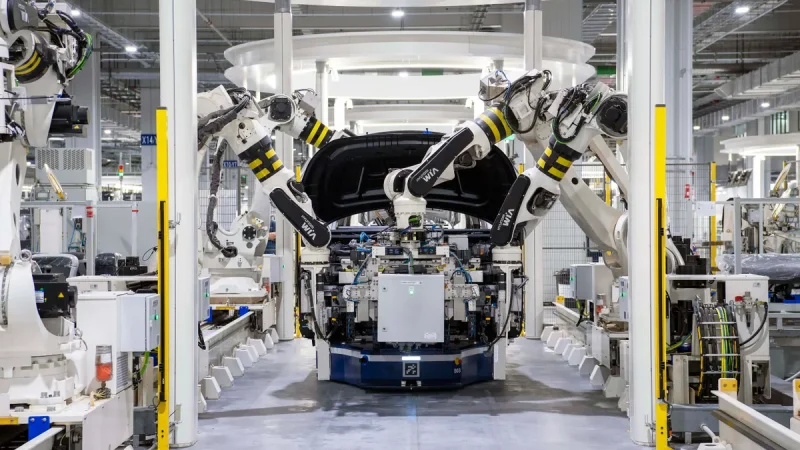
The Xpeng G9L Graz production trial, completed at Magna’s Austrian plant, confirms that what started as a single-model...

Levi Strauss (LEVI) lifted its full-year profit guidance after pocketing a substantial tariff refund in its fiscal third...