MH-139A Grey Wolf Order Signals a Program Back on Track

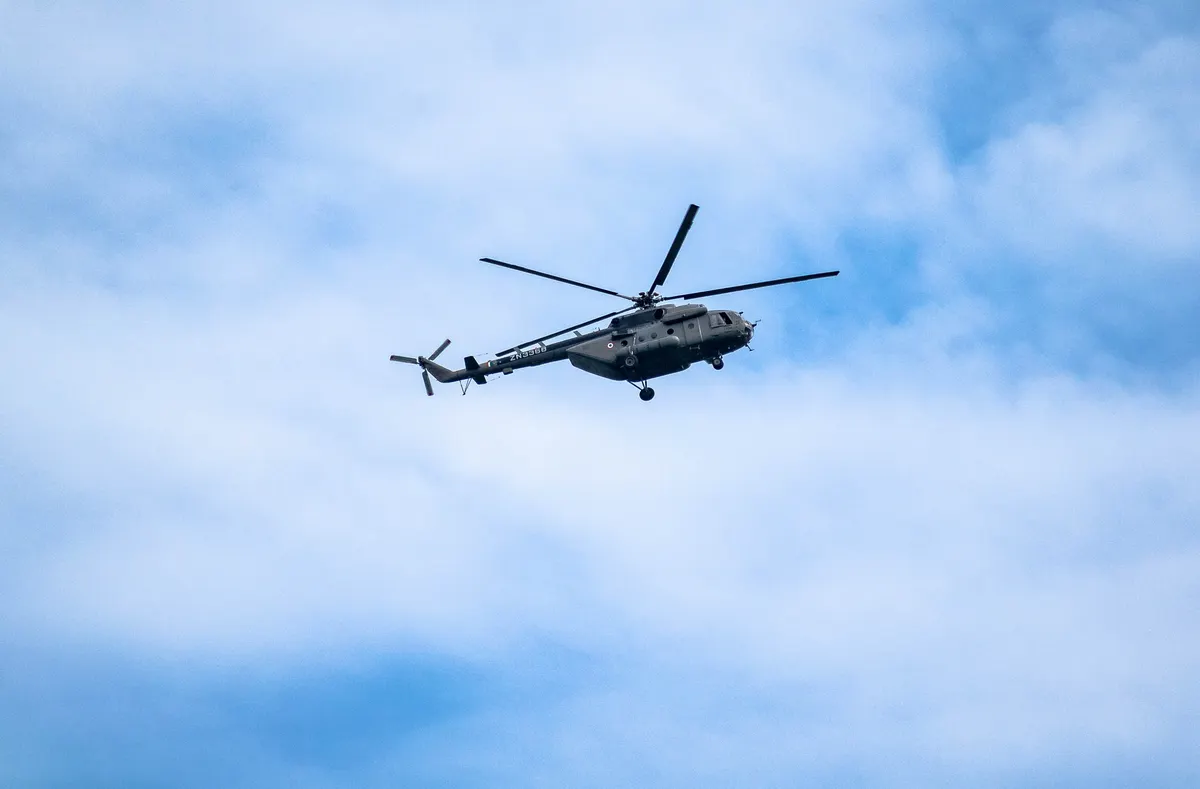
The U.S. Air Force has placed its first full-rate production MH-139A Grey Wolf order, covering four helicopters at roughly $85 million including sustainment work, and Boeing says delivery will follow in 2028 or 2029. After years of testing delays, FAA certification setbacks, and a procurement count that was cut nearly in half, the contract awarded Sept. 25 is the clearest sign yet that the Grey Wolf program has moved from troubled development into operational maturity.
What the MH-139A Grey Wolf Order Actually Signals
The phrase “full-rate production” carries real weight here. Every prior lot was ordered before the program cleared its development and operational hurdles; this one was not. The Air Force declared initial operational capability on Aug. 10, meaning the first crews and aircraft are cleared for live nuclear-missile security missions. The full-rate order followed less than seven weeks later.
The buy brings the total under contract to 42, with 27 already delivered. Six of those earlier airframes were test aircraft, and the remainder came from pre-IOC production lots. The program’s stated purpose, according to the DoD Comptroller’s FY2025 weapons budget, is to replace the entire UH-1N fleet and close documented capability gaps in speed, range, endurance, payload capacity, and aircraft self-protection across three Air Force major commands.
The per-lot procurement figures from that same budget document show rising unit economics as the program scales: 5 aircraft for $197.4 million in FY2023, 7 for $249.1 million in FY2024, and 8 for $333.4 million in FY2025. The current lot is smaller at four aircraft, but it carries the program-defining label of full-rate production that prior lots did not.
A Long Road to This Point
The Air Force selected Boeing for the Huey replacement contract in September 2018, valuing it at $2.4 billion, and expected to hit IOC in 2021. That timeline slipped by roughly four years, delayed by testing problems, FAA certification issues, and integration work that ran longer than planned, as Military Times reported.
The program also shrank considerably. The original plan called for as many as 84 Grey Wolves, including aircraft for VIP transport around Washington. To meet the 2023 debt-ceiling spending caps, the Air Force dropped the VIP mission in its FY2025 budget and cut the buy to 42. Fewer helicopters sharing fixed program costs pushed the unit price above the critical threshold set by the Nunn-McCurdy law, which requires the Pentagon to justify or cancel programs whose costs climb too high. The Pentagon later raised the planned buy to at least 56, bringing unit costs back under that threshold, according to a Selected Acquisition Report released in late August 2024.
For FY2027, the U.S. Air Force requested four more Grey Wolves. Both the House-passed defense policy bill and the Senate Armed Services Committee’s version would allow eight, but neither has become law, and the House appropriators’ spending bill covers only four.
The Grey Wolf is a militarized version of Leonardo’s commercial AW139. Air Force Global Strike Command says it is nearly 50% faster than the UH-1N Huey, carries twice as many troops, and adds improved defensive systems. Those aren’t marginal gains for a mission that requires escorting maintenance and armored security teams across remote missile fields in Montana, Wyoming, and North Dakota.
The aircraft’s first operational mission on Jan. 8 at Malmstrom Air Force Base illustrated the operational baseline the program is now defending. Captains Michael White and Maxwell Turner of the 40th Helicopter Squadron flew a six-hour sortie escorting missile maintenance and armored security vehicles to a launch facility more than 100 miles east of the base, without refueling, according to Air Force Global Strike Command. The command also noted the mission validated the aircraft’s digital sensor capabilities and communications systems built for coordination with ground security forces.
Gen. S.L. Davis, commander of Air Force Global Strike Command, framed the transition plainly: “For more than half a century, the UH-1N Huey has been a key element of our Intercontinental Ballistic Missile security, and we owe a debt of gratitude to the crews who flew and maintained it over all these years. Securing these missiles demands our best efforts and the MH-139 will significantly improve our capabilities.”
Boeing’s Kathleen Jolivette, vice president and general manager of Vertical Lift Programs at Boeing Defense, Space & Security, said the milestone “validates key readiness levels for Grey Wolf and supports the service’s fielding plans to secure vital national assets across the country’s strategic missile fields.”
The bull case for this program rests on the FY2027 congressional appetite to fund eight aircraft rather than four, which would accelerate the pace toward the 56-unit floor the Pentagon needs to keep unit costs in check. The bear case is that the program has been here before: a promising procurement posture that budget pressure deflated. The difference now is an IOC declaration, a full-rate production contract, and operational missions already on the books. The next test is whether congressional appropriators match the authorization committees’ willingness to double the annual buy.