
Operation Epic Fury Purple Hearts: Three Soldiers Acted Under Fire to Save Lives
Three U.S. Army soldiers received Purple Hearts for their actions during the Operation Epic Fury Purple Hearts ceremony...
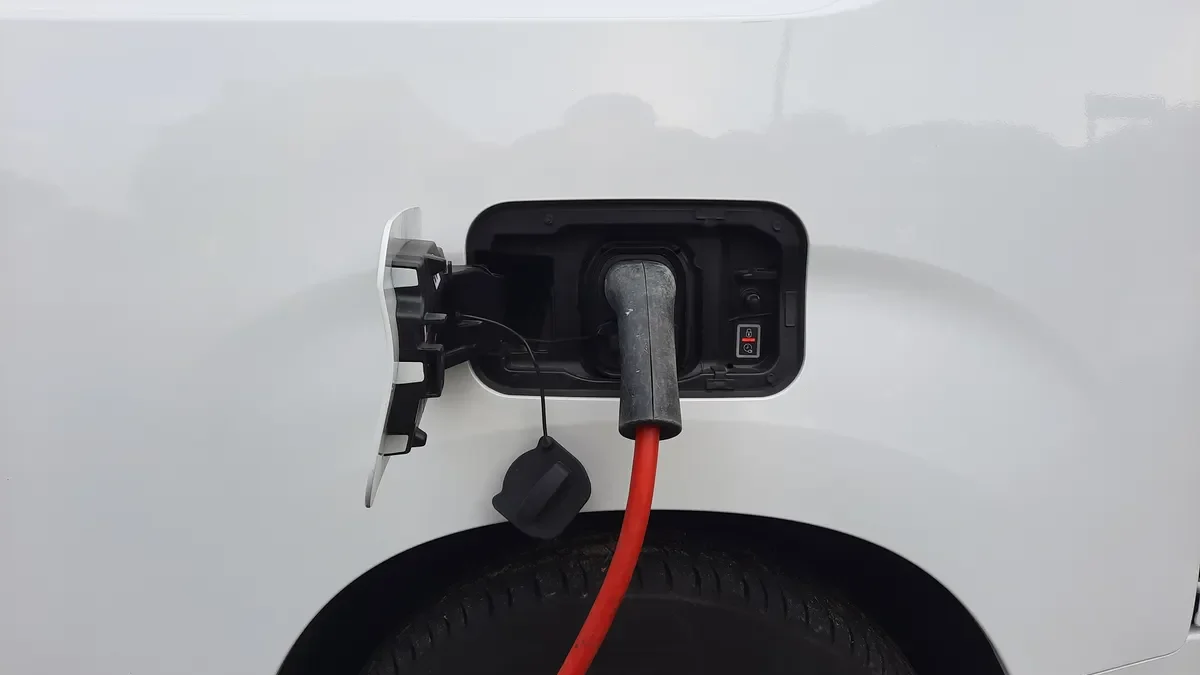
Chinese OEM hybrid sales reached a record 12% share of European new passenger car registrations in August, according to Dataforce, with BYD, Chery, and their peers capturing one in three plug-in hybrid (PHEV) sales across the bloc. The number tells a precise story about tariff arbitrage: Brussels taxes Chinese-built battery electric vehicles (BEVs) at up to 45%, but left hybrids and PHEVs at the flat 10% baseline that applies to all vehicle imports.
The mechanism is straightforward. When the EU imposed anti-subsidy duties on Chinese BEVs in October 2024, partially-electrified vehicles were omitted. That omission aligned with where European consumer demand was already moving. Overall demand for battery and hybrid vehicles jumped 27% year-on-year in August, and hybrid imports from China rose from roughly 3,800 units in October 2024 to approximately 50,000 in July, according to earlier reporting citing Dataforce figures.
Zooming out, Chinese hybrid exports to the EU surged 155% during 2025, vastly outpacing the 12% growth in BEV shipments subject to levies, according to China Association of Automobile Manufacturers data cited by Automotive World. Globally, Chinese hybrid exports rose 230% in 2025, a run rate that puts the EU tariff structure at the center of a much larger export strategy.
The effect shows up in market-by-market data. In the UK, where Chinese brands face none of the EU’s additional duties, more than one in five new cars sold is now Chinese. Germany, Europe’s largest market, reported a 6.4% Chinese brand share in August. Dataforce analyst Julian Litzinger noted the German figure carries outsized weight given the market’s scale. Meanwhile, Chinese BEV registrations had already slipped to just 6.9% of European EV sales in February 2026, the lowest share since February 2023, down from 7.8% in January, according to Dataforce data reported by Bloomberg via Yahoo Finance. The BEV retreat and the hybrid surge are two sides of the same tariff equation.
The EU’s response has so far been more diplomatic than regulatory. Financial Times reporting from September 17 first revealed that Brussels asked China to voluntarily cap hybrid exports at 15% of the EU market, down from more than a third currently. Trade Commissioner Maros Sefcovic is due to meet Commerce Minister Wang Wentao before traveling to Beijing in early October, under a deadline Brussels has set for tangible results, according to Automotive World. That forum was established in June 2026.
The voluntary restraint template is not new. In 1986, Brussels used the same mechanism with Japan, when Tokyo agreed to limits that remained in place until 1999 and ultimately encouraged Toyota and Nissan to build plants inside Europe. Whether Beijing takes a similar path is a different question: China’s passenger vehicle exports rose 77.5% year-on-year to 894,000 units in August 2026 alone, according to China Passenger Car Association data reported by Reuters, with the CPCA projecting full-year exports of 12 million units in 2026 and 18 to 20 million by 2030. Chinese OEMs have almost no incentive to accept a ceiling while the market is still expanding this fast.
The European Commission’s own position is split. Spokesperson Olof Gill told a Brussels press conference that “There is no ongoing investigation into exports of hybrid vehicles from China to the European Union.” Yet Industry Commissioner Stéphane Séjourné has reportedly questioned repeatedly why anti-subsidy measures applied to BEVs should not extend to hybrids, according to Automotive World. Any formal extension would require a fresh WTO-compliant investigation before tariff measures could be implemented, which rules out a fast solution.
European industry is itself divided. BMW CEO Milan Nedeljkovic told FAZ that voluntary pricing agreements would be preferable to formal tariffs, warning that further duties “would constitute an even greater intervention.” Volkswagen has taken the opposite position, calling for tariffs on hybrids to match those on BEVs. Germany and France are reportedly moving toward a more unified stance on tougher action, according to Automotive World, which would represent a shift after years of internal EU division on the question.
Wang Wentao’s position is clear: “China is not the source of the EU’s economic and trade problems, but a partner in solving them,” he told the German auto industry association on September 21. Beijing has separately signaled it welcomes further European investment, even as Chancellor Friedrich Merz’s government targets cabinet approval on October 14 for a package that may include hybrid-specific tariffs.
The read here is that the 12% EU share is primarily a tariff-arbitrage position, not purely a brand preference story. If Brussels closes the hybrid gap, either through a voluntary cap or a formal levy, the Chinese share figure faces a direct test. The pace of Chinese export growth suggests Beijing will resist any meaningful cap, making the October diplomatic deadline the first real inflection point for this trade.
Three U.S. Army soldiers received Purple Hearts for their actions during the Operation Epic Fury Purple Hearts ceremony...
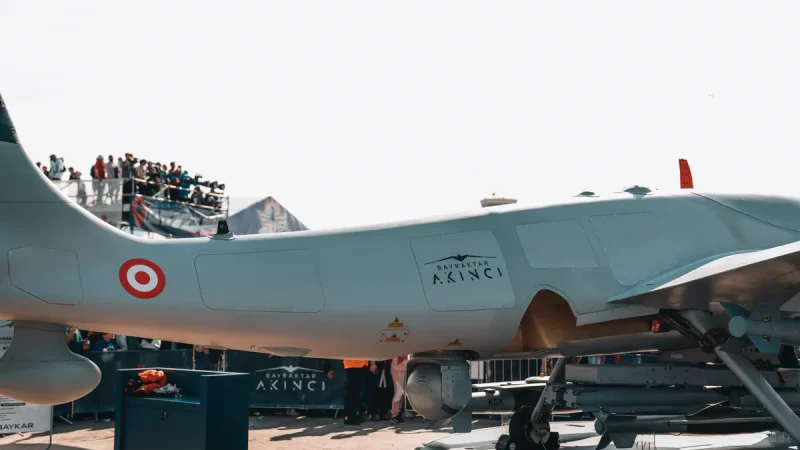
Vector Defense and Nammo announced an expanded partnership Monday at the Association of the United States Army’s annual...

The TSMC earnings season preview is the week’s focal point, with Taiwan Semiconductor Manufacturing (TSMC) reporting Thursday as...