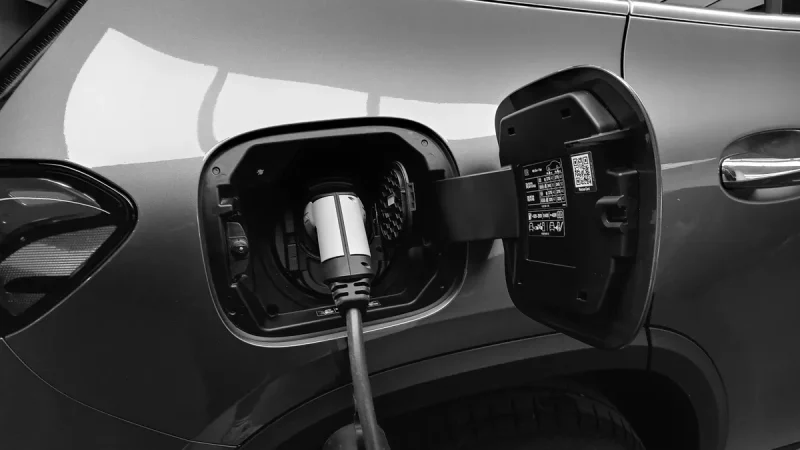
Renault-Geely Brazil Investment Bets on Flex-Fuel Before Full EV
The Renault-Geely Brazil investment announced on September 15 adds €319 million (US$368 million) to a joint venture that...
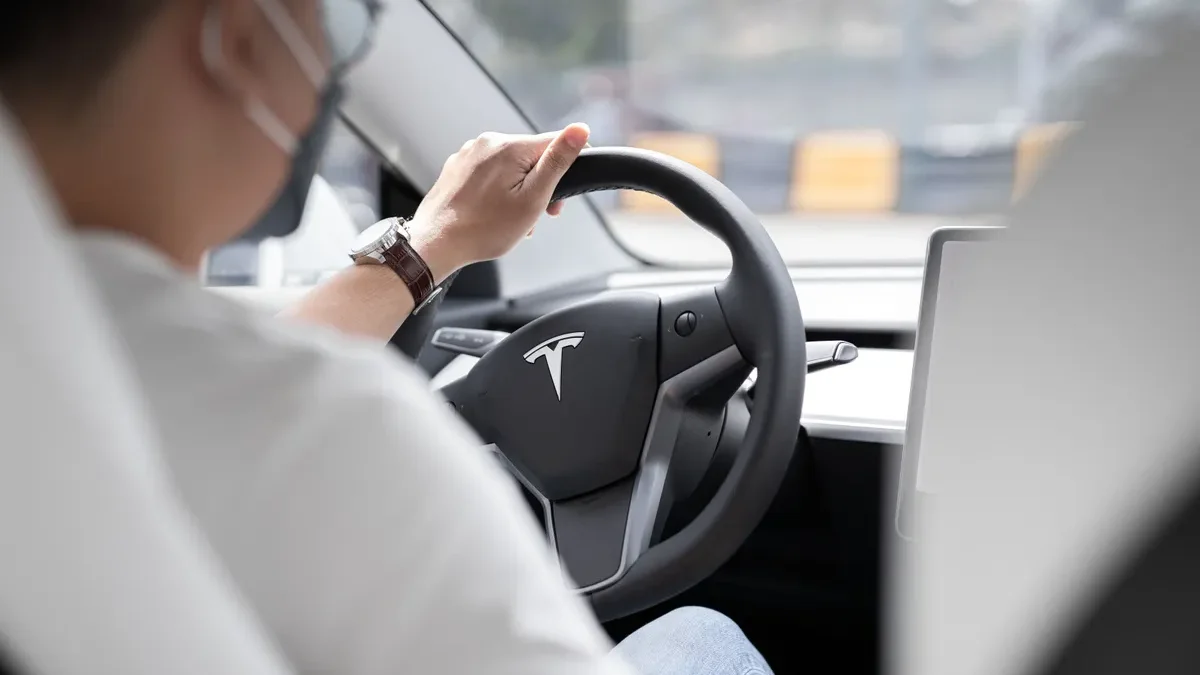
The Tesla Cybercab NHTSA probe crossed a legal threshold this week: the regulator has issued a formal Special Order requiring sworn, under-oath answers by September 30 on how a vehicle with no steering wheel, pedals, or mirrors can legally self-certify compliance with federal safety standards. The move reframes what looked like a routine audit into a serious enforcement action with direct consequences for Tesla’s (TSLA) autonomous vehicle strategy.
The legal distance between an audit query and a Special Order is not cosmetic. An audit query is a request; a Special Order carries sworn-affidavit requirements, penalties of up to $139 million, and potential criminal liability of up to 15 years for any signing officer who files a false or incomplete response.
The order contains 21 detailed requests for information and turns on a structural feature of US auto regulation: manufacturers self-certify compliance with Federal Motor Vehicle Safety Standards (FMVSS) rather than seeking pre-market approval, and NHTSA verifies after the fact. Tesla self-certified the Cybercab as meeting every applicable standard despite the vehicle’s lack of manual controls. Federal law prohibits issuing that certification if the automaker “has reason to know the certificate is false or misleading in a material respect.”
The sharpest individual request concerns FMVSS No. 135, which states plainly that “the service brakes shall be activated by means of a foot control.” The Cybercab has none. NHTSA has previously stated publicly that a manufacturer of a vehicle without a foot-activated service brake could not certify to that standard, making Tesla’s self-certification on this point the most difficult to defend.
NHTSA published a Notice of Proposed Rulemaking on modernizing FMVSS No. 135 for ADS-equipped vehicles on June 26, 2026, with a comment period extension granted July 28. That proposal has not been finalized and is unlikely to be implemented before 2028, so the existing foot-brake requirement remains legally in force today regardless of where Tesla believes the rules are heading.
A second cluster of requests probes whether Tesla relied on temporarily attached manual controls to establish its original compliance certification, and whether removing those controls before delivery violates the Safety Act’s prohibition on rendering required safety equipment inoperative. Tesla’s own published first-responder guide acknowledges that “a number of Cybercabs…are equipped with hardware for manual operation, such as a steering wheel and pedals for acceleration and braking” for testing purposes. The Wall Street Journal reported that people familiar with pre-launch events said Tesla displayed Cybercab prototypes fitted with visible steering wheels ahead of the public rollout.
Further requests work through FMVSS 101 (controls and telltales), 102 (shift-position display), 108 (turn signals designed to self-cancel via steering-wheel rotation), 111 (mirrors and rearview imaging), and 126 (stability-control telltales). NHTSA’s final and potentially most consequential request points to its own 2022 rule stating further FMVSS changes would “likely be necessary” before a vehicle operated solely by an automated driving system could be sold, unless the company holds an exemption under Part 555. Tesla does not hold one, and the order asks directly how the Cybercab is therefore legal to sell.
The contrast with Amazon’s Zoox is the clearest evidence of what Tesla chose not to do. Zoox submitted its application for a Part 555 temporary exemption on August 22, 2025, on the statutory basis under 49 CFR 555.6(d) that compliance with the eight FMVSS would prevent it from selling a vehicle with an overall safety level at least equal to compliant vehicles.
NHTSA granted Zoox’s temporary exemption effective July 31, 2026 through July 31, 2028, finding that Zoox demonstrated an equivalent level of safety to a vehicle meeting all FMVSS. The exemption covers portions of eight standards: FMVSS Nos. 103, 104, 108, 111, 135, 201, 205, and 208, as enumerated in the Federal Register application notice. Those include the same foot-brake rule and mirror requirements now at the center of NHTSA’s demands on Tesla. Zoox is capped at 2,500 exempted vehicles per 12-month period. NHTSA simultaneously issued its first-ever operational authorization tailored to Zoox, its robotaxi, and the automated driving system’s existing capabilities, as NHTSA disclosed at its SAE ATS keynote.
Zoox’s vehicle is also designed to operate bidirectionally with a campfire seating arrangement rather than a conventional forward-facing cabin. The regulatory relationship has not been without friction: Zoox filed a voluntary safety recall in July 2026 under NHTSA Recall No. 26E044 related to a software equipment issue, with no injuries identified. Still, Zoox entered the market with a federal authorization in hand. Tesla entered without one.
The Tesla Cybercab NHTSA probe is therefore not primarily a technical dispute about brake engineering. It is a legal dispute about process: whether a manufacturer can self-certify compliance with standards its vehicle structurally cannot meet, betting that regulatory reform will arrive before enforcement does. That bet is now being called. Tesla has already been forced to install steering wheels and use human safety drivers for early New York City testing, suggesting its regulatory posture will vary by jurisdiction even before the federal question is resolved. The outcome of the September 30 sworn response will determine whether the Cybercab’s commercial rollout faces a legal ceiling or an ordered recall.
The Renault-Geely Brazil investment announced on September 15 adds €319 million (US$368 million) to a joint venture that...
A Congressional Budget Office analysis has put the cost of US combat operations against Iran at roughly $38...
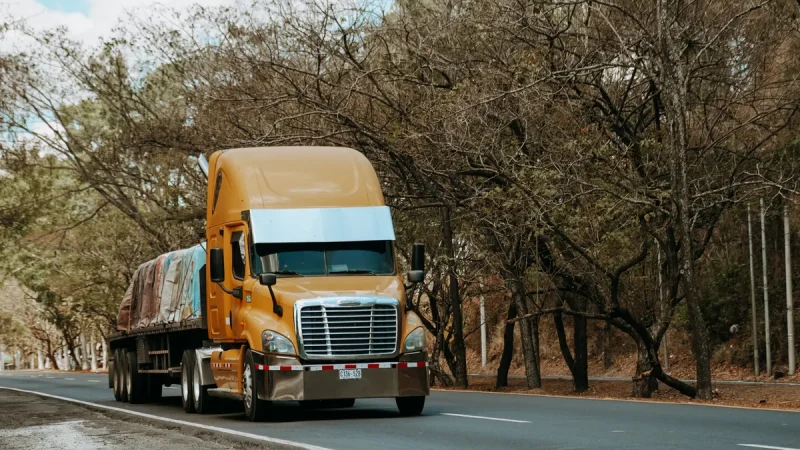
Einride (ENRD) and Lidl have secured Germany’s L4 truck permit from the Federal Motor Transport Authority, putting a...