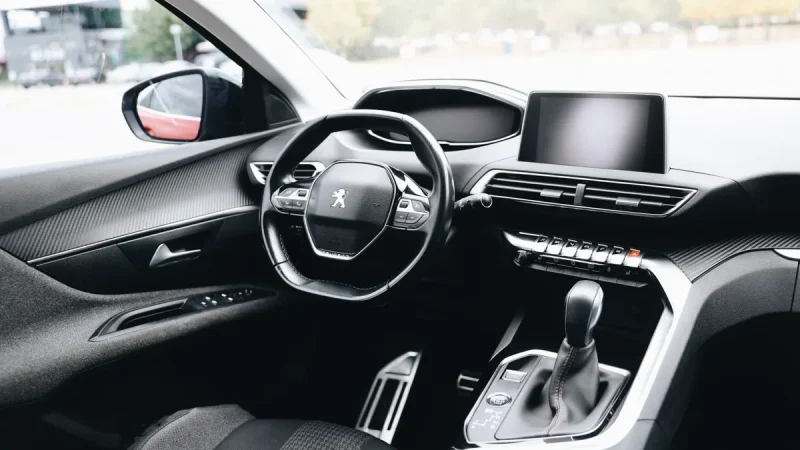
Forvia Anand India Seating JV Targets 10% Market Share
The Forvia Anand India seating joint venture, announced October 7, 2026, is the clearest sign yet that even...
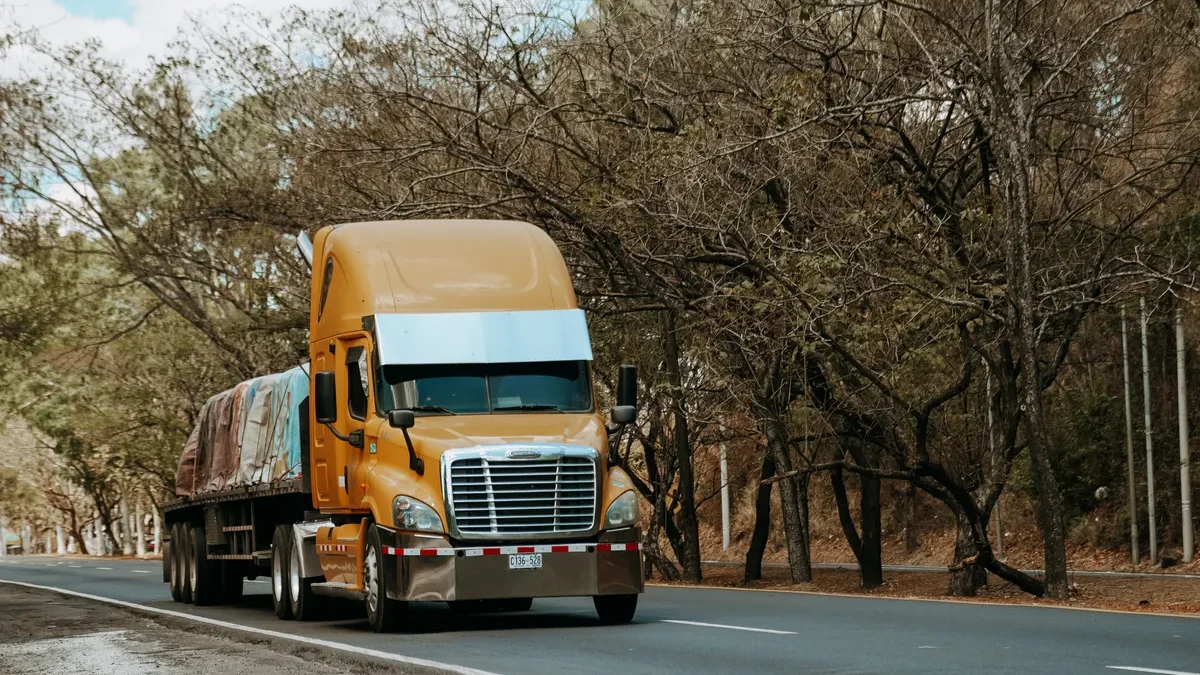
Einride (ENRD) and Lidl have secured Germany’s L4 truck permit from the Federal Motor Transport Authority, putting a fully cab-less autonomous vehicle into daily public-road logistics service for the first time in Europe’s largest road transport market. For a company now listed on Nasdaq, the clearance is the most credible regulatory milestone Einride has posted: Germany’s approval process ranks among the most demanding in the world, and a daily-operations permit is a categorically different instrument from a testing authorization.
The approved route connects a Lidl warehouse and distribution center to a store in Edermünde, with no driver and no safety operator on board. That driverless configuration puts the full liability weight of a public-road deployment squarely on the regulatory approval itself. Germany applies some of the most stringent road safety standards globally, and clearance from Germany’s Federal Motor Transport Authority (KBA) required an extensive safety validation process before the authority confirmed reliable operation on public roads.
That distinction matters when comparing this permit to other L4 activity in Germany. In July 2026, Chinese autonomous driving company Momenta received a Germany-wide L4 testing approval from the KBA, allowing trials across urban environments nationwide and laying groundwork for a planned robotaxi deployment in Munich. A testing authorization and a daily operational logistics permit are not the same instrument. Einride’s clearance covers live commercial deliveries on a fixed public-road route, not supervised trials.
Roozbeh Charli, Chief Executive of Einride, framed the German clearance in explicitly scalable terms. “Germany is one of Einride’s key markets and we’re excited to now bring this technology to public roads in Europe’s largest road transport market, and to prove its value together with Lidl and the broader ecosystem of Schwarz Group,” he said. “Germany’s approval process is among the toughest in the world, and obtaining clearance there gives us a foundation to scale with confidence.”
Securing a Germany-issued L4 truck permit for daily logistics, rather than a testing trial, is what makes the Schwarz Group relationship commercially relevant. Lidl’s parent operates one of Europe’s largest retail logistics networks, and further Schwarz Group deployments are already under discussion beyond the Edermünde route. The companies also plan to extend toward a multi-stop milkrun model, raising vehicle utilization and the unit economics of each deployed truck. The stated rationale covers driver shortages and supply chain resilience across Lidl’s network: structural pressures in European logistics, not cyclical ones.
The bull case for ENRD rests on regulatory template value. If a Germany-issued L4 truck permit can be replicated across Lidl’s European footprint, the addressable opportunity expands materially. Charli noted that Einride is “already running real autonomous deliveries, with real volumes on real schedules with customers in the U.S. and Europe,” positioning the German route as an extension of an existing commercial base rather than a first proof of concept.
The bear case is straightforward: one route, one customer segment, and expansion plans still at the discussion stage. The same stringent KBA process that made this permit credible means each new route carries its own validation burden. Scaling a cab-less logistics network across Germany, let alone broader Europe, involves regulatory friction that compounds with geography. The milkrun extension and broader Schwarz Group rollout remain forward commitments, not signed agreements.
The read leans cautiously constructive. Operational permits in demanding regulatory environments are durable competitive advantages: they are not easily replicated and they create a referenceable track record that can accelerate subsequent approvals. The Momenta comparison underlines the gap. A testing authorization is accessible to multiple players; a daily-operations permit in Germany’s commercial logistics market is a narrower distinction. Whether ENRD can convert that regulatory lead into route count and volume at the scale the stock requires is the number investors should be tracking as deployment disclosures emerge.
The Forvia Anand India seating joint venture, announced October 7, 2026, is the clearest sign yet that even...
The Morgan Stanley Wells Fargo upgrade, issued Monday ahead of the bank’s earnings next Tuesday, is more than...
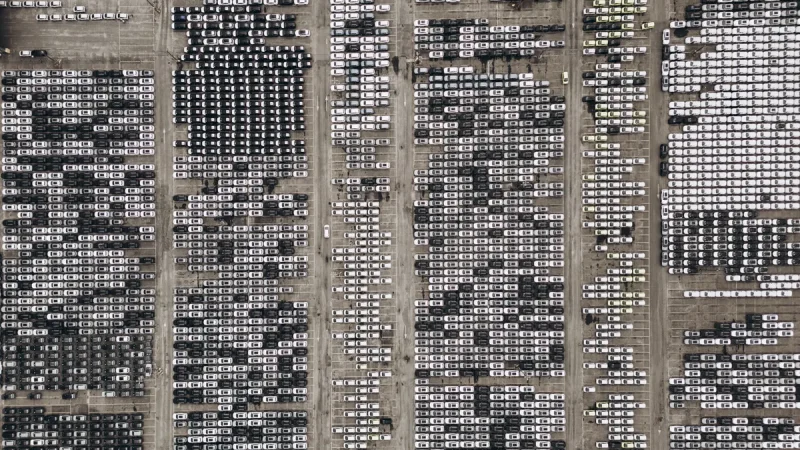
Stellantis Italy output rose 28% to 340,745 vehicles in the first nine months of 2026, putting the automaker...