
Accenture Earnings Beat Signals the AI Pivot Is Paying Off
Accenture’s (ACN) earnings beat in fiscal Q4 2026 was not a mild outperformance: it was the company’s strongest...
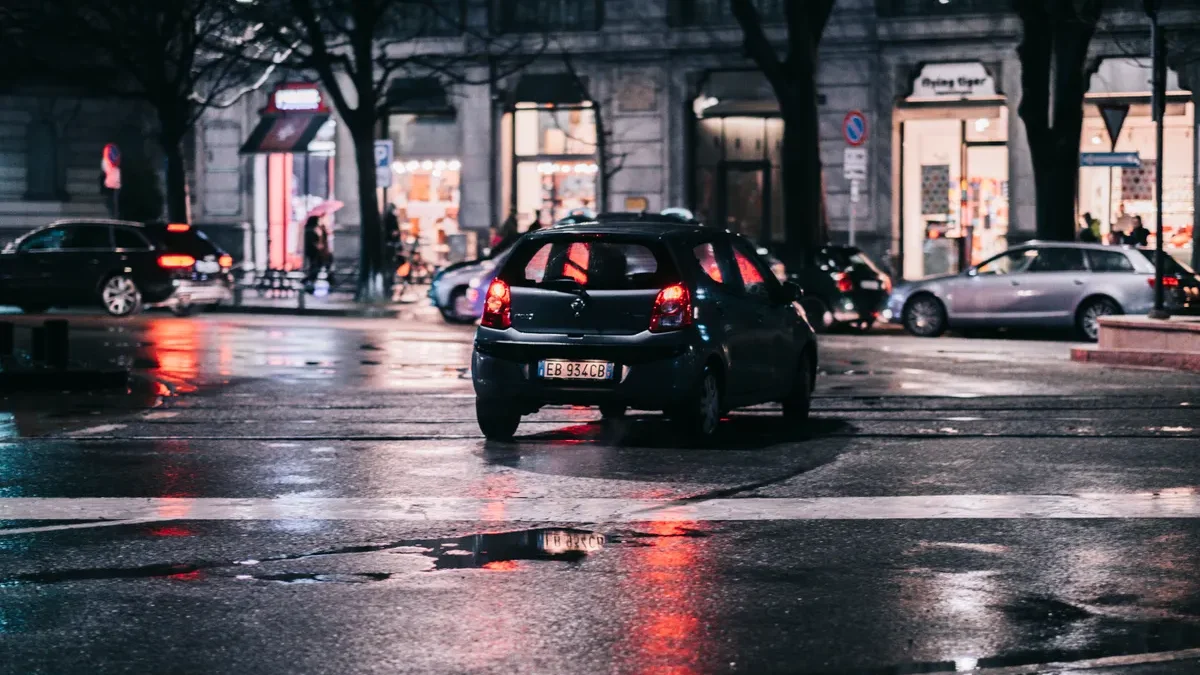
Zoox’s autonomous testing expansion into Houston and San Diego brings the robotaxi developer to 12 US cities, but the strategic logic runs deeper than a headcount. Both cities were chosen because they stress-test systems that controlled environments cannot replicate: extreme weather, coastal sensor interference, and freeway-dependent traffic patterns that will eventually define Zoox’s commercial envelope.
Houston is the harder operational challenge. The city’s layered service-road networks and atypical merging patterns demand route-planning logic that most AV developers have not yet encountered at scale. Add severe heat, heavy rain, and a documented urban flooding risk, and Houston functions as a durability test as much as a mapping exercise.
San Diego’s difficulty is different and equally useful. Coastal geography means freeway reliance is unavoidable, pushing Zoox toward highway-speed autonomy sooner than city-grid markets would. The marine fog layer provides sensor validation conditions, specifically the kind of low-visibility, high-humidity environment that is difficult to replicate in a lab or in most inland cities.
Both cities follow the same staged playbook Zoox has applied elsewhere: a small manually driven fleet collects mapping data first, autonomous driving trials follow, and a purpose-built driverless robotaxi service comes last. Safety and operational readiness, not a fixed calendar, govern the pace. The company plans to open depots in each city and has begun local recruitment.
The autonomous testing expansion follows an accelerating deployment cadence. In March 2026, TechCrunch reported that Zoox launched robotaxi service in Austin and Miami, simultaneously quadrupled its San Francisco service area with a focus on the eastern half of the city for its early-rider program, and expanded its Las Vegas service area. Houston and San Diego are the next phase of that build-out.
The regulatory groundwork in California is already in place. The California DMV lists Zoox as holding an Autonomous Vehicle Testing Permit authorizing testing on any public road in the state, as of May 8, 2026. The California Public Utilities Commission separately lists Zoox as holding both a Drivered Pilot permit and a Driverless Pilot permit under its Autonomous Vehicle Program. That dual-permit status means California has already cleared the path from supervised testing all the way to commercial driverless passenger service.
Texas operates under a different framework. The state does not require a dedicated AV testing permit the way California does, and the National Highway Traffic Safety Administration (NHTSA) provides the federal safety baseline. Zoox’s own approach fills the regulatory gap: the company engages local and state officials before its test fleet enters any new city, following what it describes as a “no surprises” approach to regulatory engagement. That posture has helped it move quickly in markets where the legal framework for AV testing is permissive but informal.
The bull case here is straightforward: each new city that clears the mapping and testing phase is a city that moves closer to revenue-generating driverless service. The range of conditions Zoox is now accumulating, from Nevada desert heat to coastal California fog to Houston flood-plain navigation, broadens the operational domain its system can credibly claim to handle.
The bear case is pace. Zoox has not published a timeline for when Houston or San Diego will reach driverless commercial operation, and the gap between a manual mapping fleet and a fare-paying robotaxi service has stretched longer than expected across the industry. The 12-city footprint is a meaningful scale signal, but footprint and revenue are different things. The test that matters is how quickly Houston and San Diego move through the staged playbook, not whether Zoox entered them.
Accenture’s (ACN) earnings beat in fiscal Q4 2026 was not a mild outperformance: it was the company’s strongest...
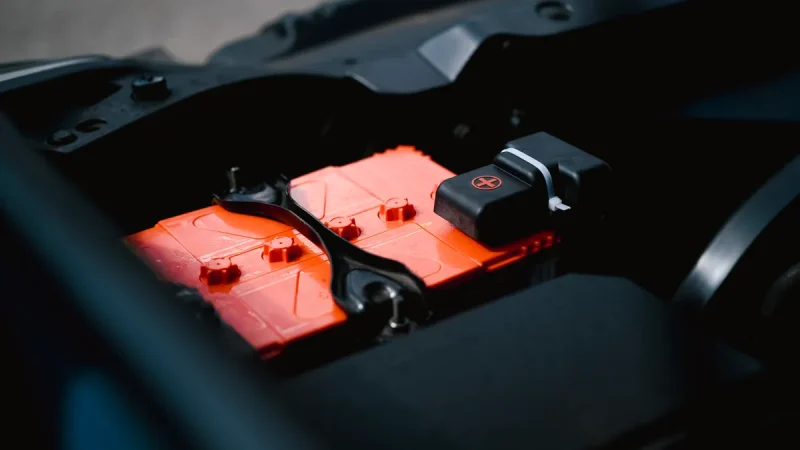
The BMW Neue Klasse battery plant at Irlbach-Straßkirchen, Bavaria, has entered series production ahead of its original timeline,...
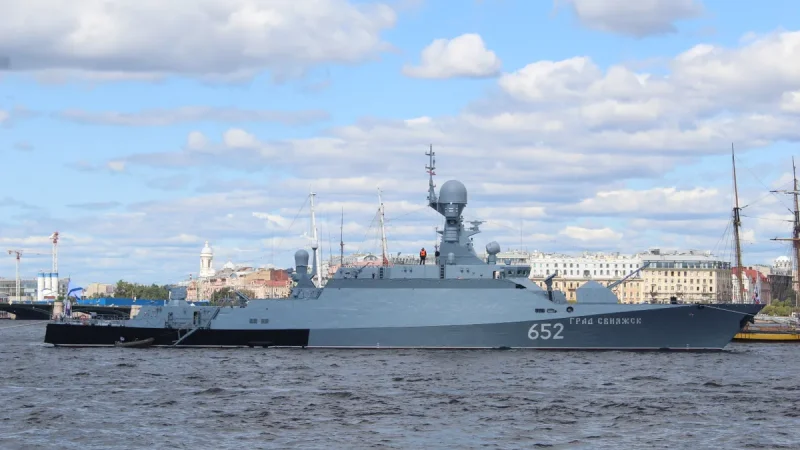
The Raytheon SM-6 missile contract, worth up to $24.4 billion over five years with two additional option years,...