
US Army Brain Health Assessment Hits 97%, but Gaps Loom Large
The US Army brain health assessment program has reached 97% completion across active duty, National Guard, and Reserve...

Rheinmetall shares are caught in a tug-of-war between formidable operational strength and mounting external pressures. While the German defense giant secures a pivotal billion-euro alliance in Spain, its stock price is reeling from a potent mix of geopolitical shocks and competitive setbacks.
The company is aggressively expanding its international footprint. A newly signed letter of intent with Spanish technology group Indra aims to create a formal joint venture this year. This partnership, focused on securing a major Spanish army contract for up to 3,000 military trucks and modernizing armored vehicles, holds a multi-billion euro potential and is expected to create hundreds of jobs. This move comes alongside other massive projects in the pipeline, including the Bundeswehr’s “Arminius” program for up to 3,000 GTK Boxer vehicles, which could translate to roughly 22 billion euros for Rheinmetall. An initial contract for 1,800 vehicles is anticipated in the first half of 2026.
Operationally, the outlook appears robust. Management is targeting group sales between 14.0 and 14.5 billion euros for 2026, representing growth of 40 to 45 percent. The goal is to lift the operating margin to around 19 percent. Crucially, an impressive 91 percent of the targeted annual sales are already covered by the existing order backlog. The company is also diversifying, with the SPOCK 1 project for radar satellite production set to launch in Neuss in the third quarter, carrying a base value of 1.7 billion euros.
Yet, investor sentiment has turned sharply negative. The stock fell 5.4 percent to 1,462.40 euros last Friday, breaching a key technical level. This extends a painful trend that has seen the share price shed roughly a quarter of its value since mid-January. The decline was triggered by a dual blow: news that Lockheed Martin secured a $4.76 billion U.S. Army contract for PAC-3 MSE missiles, highlighting the advantage for American contractors, and comments from Ukrainian negotiator Kyrylo Budanov regarding a potential peace deal, which sparked selling pressure across European defense stocks.
Geopolitical tensions are adding a complex new layer. Following the collapse of US-Iran talks, former President Trump’s announced blockade of the Strait of Hormus—a chokepoint for about one-fifth of global oil—sent Brent crude prices soaring from $95.20 to $102.50 per barrel. While heightened risk typically fuels defense spending, surging energy costs also threaten to squeeze industrial production and profit margins for manufacturers like Rheinmetall, creating a contradictory market dynamic.
A major point of contention remains the stock’s lofty valuation. Even with its strong growth prospects, shares trade at a forward price-to-earnings ratio of 43.7 for 2026, a significant premium to the sector average. The multiple remains elevated at nearly 30 times expected earnings for 2027. From its all-time high of just over 2,000 euros in October 2025, the stock now trades approximately 25 percent lower.
The coming weeks offer critical catalysts to shift the narrative. The company will present its first-quarter 2026 results on May 7, followed by the Annual General Meeting in Düsseldorf on May 12, where a planned dividend of 11.50 euros per share, a 42 percent increase, will be a focus. The quarterly figures must demonstrate that the targeted 19 percent operating margin is achievable. Until then, developments in the Strait of Hormus and the trajectory of Ukraine peace talks are likely to dictate short-term trading momentum for the defense contractor’s shares.
The US Army brain health assessment program has reached 97% completion across active duty, National Guard, and Reserve...
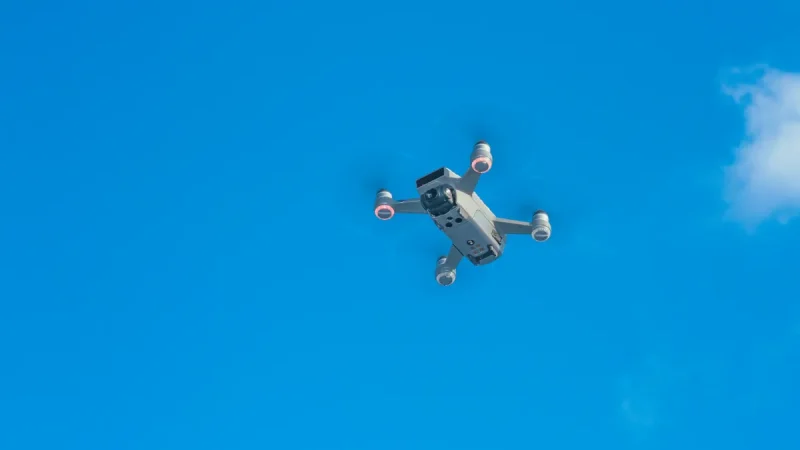
Kongsberg’s Poland counter-drone factory plan, announced at the Warsaw Security Forum on October 12, is more than a...

Three U.S. Army soldiers received Purple Hearts for their actions during the Operation Epic Fury Purple Hearts ceremony...