
The BYD Vertical Integration Premium: Why the EV King is Still Rated a Wall Street “Strong Buy”
BYD’s expansive Pingshan complex in Shenzhen is one of those factory tours that leave a lasting impression. One...
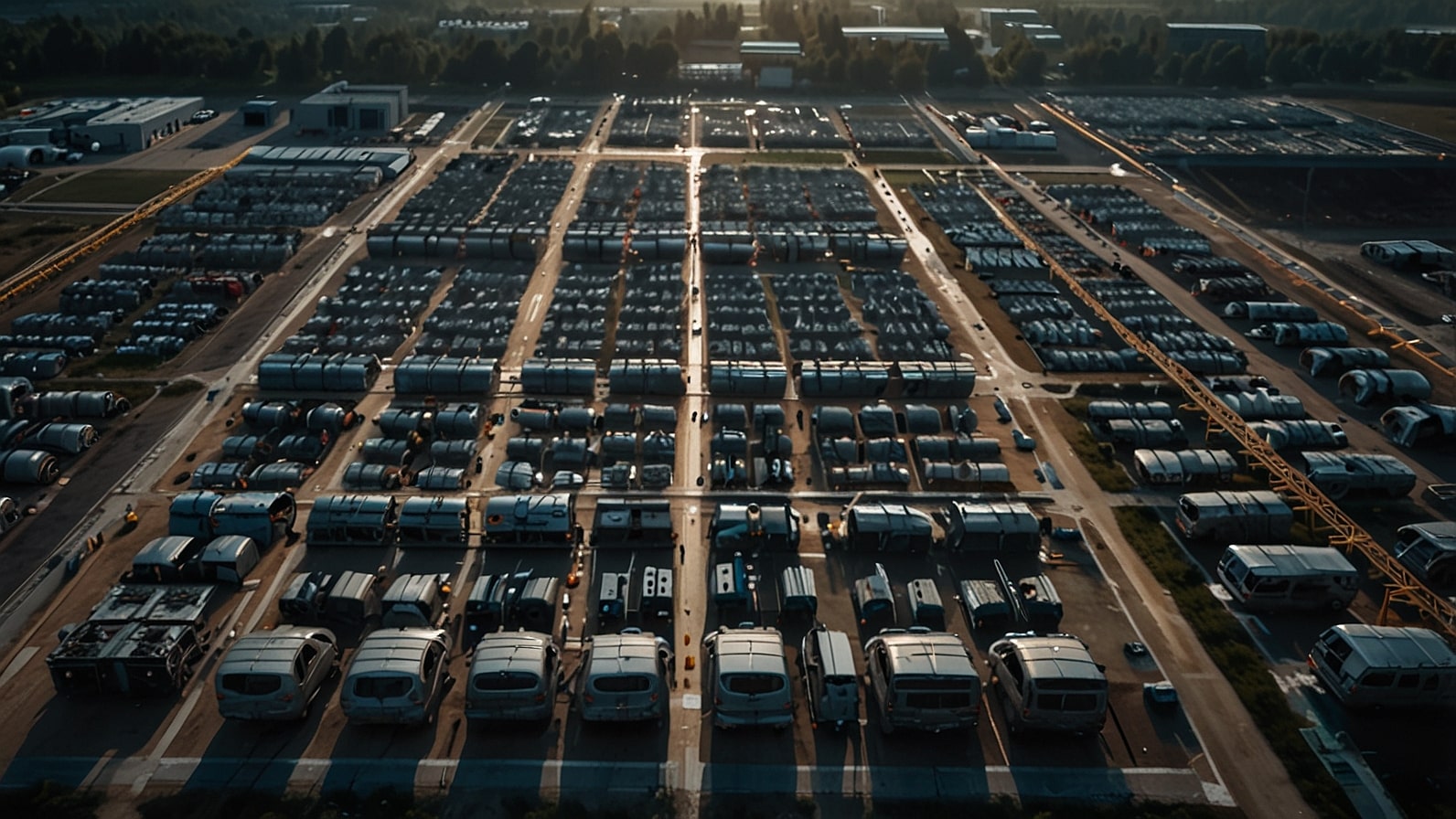
Jittery tariffs on imported automotive parts and cars have likely caused the global economy a tumultuous twist in the auto sector, with large players in the auto industry reducing their financial projections, causing tremors both on Wall Street and in the supply chain.
With confrontations between the United States, China and the European Union escalating into new levels of trade, leading firms such as General Motors, Ford and Tesla are struggling to meet increased prices, halted production and lost demand. This panic of revision is not only exposing the vulnerability of international trade relations, but also bringing alarm regarding future job loss and increasing consumer prices in an already unstable market.
The auto industry, worth more than $2 trillion globally, has long been dependent on cross-border sourcing of steel, semiconductors, and batteries for electric vehicle (EV) batteries. Nevertheless, the dynamics are shaken by new policy changes, such as an increase in tariffs by a quarter on Chinese-made auto parts by the U.S. in early 2025.
These actions, according to analyst estimates, might create extra costs in the billions that were not anticipated, and they would lead to a snowball of further decreased earnings and sales forecasts. Not a blip, but a structural shake-up is what one industry insider said when stock prices of auto giants dropped by an average of 8 per cent in the last month.
This crisis has its origins in the geopolitical tensions which have existed. In January 2025, the U.S. administration, under the pretext of national security, increased tariffs on Chinese imports, including key materials such as rare earth metals required to manufacture EVs. This was immediately met by retaliation from Beijing, which imposed tariffs on American-made cars and parts. Meanwhile, the EU implemented its own carbon border adjustment system, taxing high-carbon imports, which struck a severe blow against U.S. and Asian exporters.
These policies have added to existing pressures in the form of supply chain disruption in the wake of the pandemic and the transition to electrification. For example, lithium-ion battery costs rose 15 per cent due to scarcity worsened by tariffs. Car manufacturers, already investing heavily in green technologies, now face a double hit: rising input prices and limited market access.
The result has been immediate operational shifts—factories stuttering production lines, and suppliers under stress to renew contracts.
The blow has been swift and severe. Multiple automakers updated projections in recent earnings conferences:
International players were also affected:
Industry-wide, analysts expect a $50 billion hit to profits in the next two years.
Auto manufacturing’s reliance on thousands of globally sourced components makes it highly vulnerable to trade barriers. Suppliers such as Bosch and Magna International report delays and cost overruns that are passed to assemblers.
Examples include:
In response, companies are reshoring production—GM is building a new battery plant in Ohio—but such projects are costly, with industry investments projected at $100 billion by 2030.
The auto industry employs over 1 million workers directly in the U.S., with millions more indirectly. Forecast cuts foreshadow job losses:
Consumers also face higher sticker prices (5–10% increases), pushing the average new car price above $48,000. Affordability concerns grow amid inflation, and sales recovery remains sluggish since 2024.
Emerging economies like India and Brazil, major auto parts, face declining exports, which threaten GDP growth. Even climate goals are at risk as tariffs discourage EV adoption, undermining Paris Agreement promises.
Analyst Sarah Kline warns of a vicious cycle: reduced forecasts → reduced R&D → slower innovation in autonomy and sustainability.
Wall Street’s response is mixed. Auto stocks are down 15% relative to the S&P 500, though some investors see buying opportunities. Hedge funds bet on companies with strong domestic bases (e.g., Rivian, Lucid). Bond markets are showing rising risk, with corporate auto debt yields up 50 basis points. Meanwhile, commodity traders speculate on volatile metals markets.
The auto industry is navigating uncharted waters. Lobby groups push for tariff exemptions and phased policies. Companies consider joint ventures, such as possible U.S.-EU battery collaborations. Innovation offers hope:
Yet uncertainties loom. Upcoming G20 trade talks in November 2025 may either worsen or ease tensions. A de-escalation could restore confidence and stabilise forecasts.
The auto industry’s tariff-driven reshuffle is a stark reminder of global trade’s interconnectedness in an era of protectionism. The road ahead is uneven—tariffs may either force diversification and resilience or deepen a prolonged recession. What’s certain is that today’s turmoil is redefining the vehicles of tomorrow.
BYD’s expansive Pingshan complex in Shenzhen is one of those factory tours that leave a lasting impression. One...

A Chinese car is still not available for purchase at an American dealership. Through two administrations, multiple rounds...

You’ll notice something that wasn’t there five years ago if you stroll through a BYD showroom in Bangkok...