Westall review finds 154 National Highways cameras in 22 police areas caused 2,650 wrong activations
The Westall review says 154 motorway cameras wrongly activated 2,650 times from 2021 to 2025, and sets out seven themes of change for National Highways.

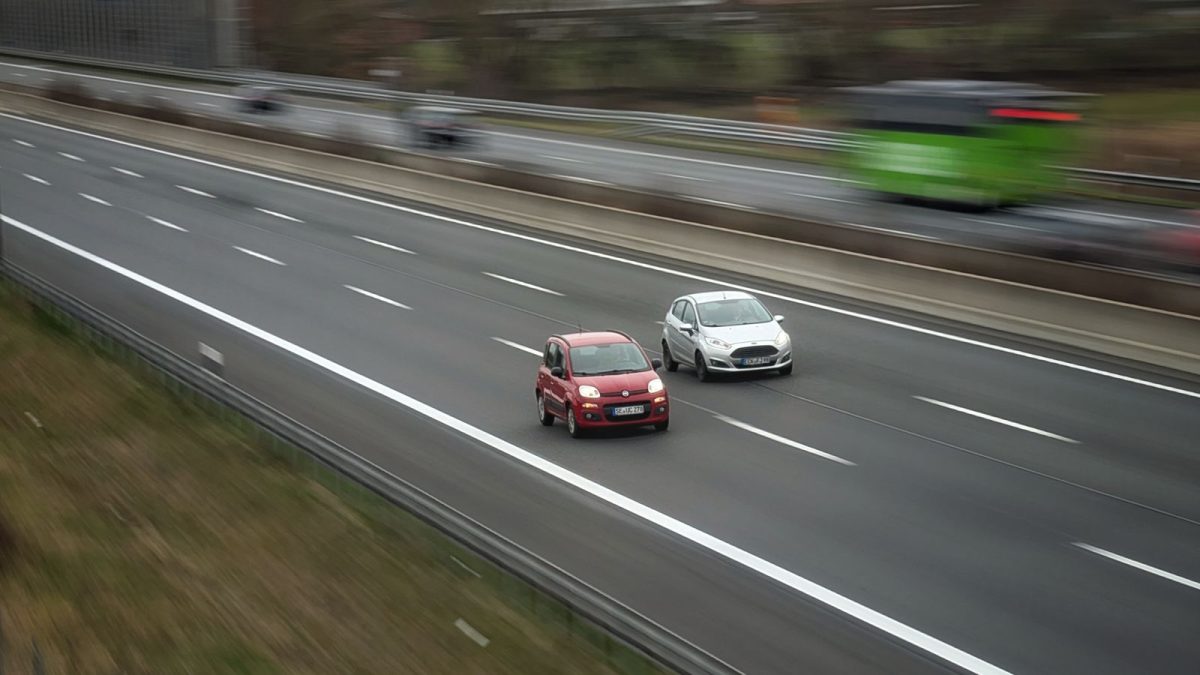
An independent review for the Department for Transport found 154 HADECS3X speed cameras across 22 police force areas in England caused 2,650 erroneous activations between 2021 and 2025.
The review, led by Tracy Westall OBE, says the activations were the result of rapid speed changes. The issue was demonstrated to have occurred in fewer than 0.1% of overall speed camera activations.
The fault lay in how variable speed limit signs and enforcement cameras interacted. In specific circumstances, the camera system did not recognise rapid changes to displayed limits, creating a risk of incorrect enforcement action against drivers.
Avon and Somerset Constabulary alerted National Highways to a potential issue on 25 January 2025, relating to an offence on the M5.
Westall’s foreword says the problem came to light after dashcam footage from a member of the public showed a mismatch between traffic management systems and the cameras, and a Notice of Intended Prosecution was issued incorrectly.
She writes that the circumstances could have stayed undetected without that footage.
The review makes recommendations across seven themes: data and technology, critical systems, crisis handling and response, legal advice and support, culture, communications and stakeholder engagement, corporate governance, and procurement and contracting.
It examines missed opportunities to identify, investigate and escalate the issue, and how National Highways worked with the police and other partners.
On responsibility, Westall says National Highways must support police enforcement with roadside technology, while the police decide on enforcement action and rely on the integrity of the data given to them.
She writes that speed enforcement is a contributor to road safety, and that “enforcement is an important contributor to road safety and can affect citizens financially”.
On penalties, a government statement says everyone who could be identified and contacted has been offered redress, and that it will continue to provide redress to eligible individuals where identified.
The government said the error affected cameras on around 0.2% of all roads in England. At the end of last year, the then transport minister told the House that National Highways had identified an anomaly originating from the camera upgrade and installation beginning in 2019.
Testing after the review was completed brought to light a potential further issue with how the cameras may activate in specific circumstances. Westall reconsidered her recommendations and concluded that they remain valid and unchanged.
National Highways’ modelling concluded the probability of the operational circumstances behind that error is no more than 0.1%, and the government said there is no real-world evidence it has affected enforcement.
The government said ministers are not prepared to accept “any scenario where there is a hypothetical risk some drivers could be prosecuted incorrectly”.
The Home Office has revoked the camera system’s type approval, which lets the data from the camera be more easily admitted as evidence of fact in certain legal proceedings.
National Highways is ending its contract with the device supplier, Verra Mobility, and is considering further commercial and legal options. It has put extra traffic officer patrols and CCTV monitoring in place at the relevant sites.
The government accepts the recommendations and National Highways has accepted them too. The change falls within wider motoring regulation, and the Department for Transport said it will monitor progress and hold National Highways to account through its existing sponsorship arrangements.
More on Regulation
- DfT consultation puts the 2030 ZEV target at 80% while reports say a cut to around 60% is due in mid-November
- ENVI text sets 87.5% as EU 2035 car CO2 cut, down from 100%, while UK keeps its 2035 zero-emission goal
- MEPs on Environment Committee vote 48 to 30 to cut EU 2035 car CO2 target from 100% to 87.5%
- GM must get express consent before collecting driver location data under $220m deal with 36 attorneys general