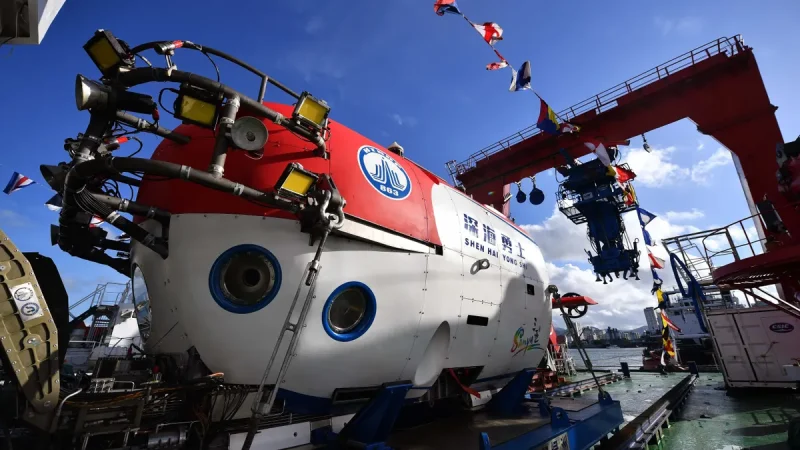
Anduril Bets $6.6 Billion on Virginia-Class Submarine Production
Anduril’s Virginia-class submarine play is bigger than a single contract. The defense startup announced a $3.7 billion self-funded...
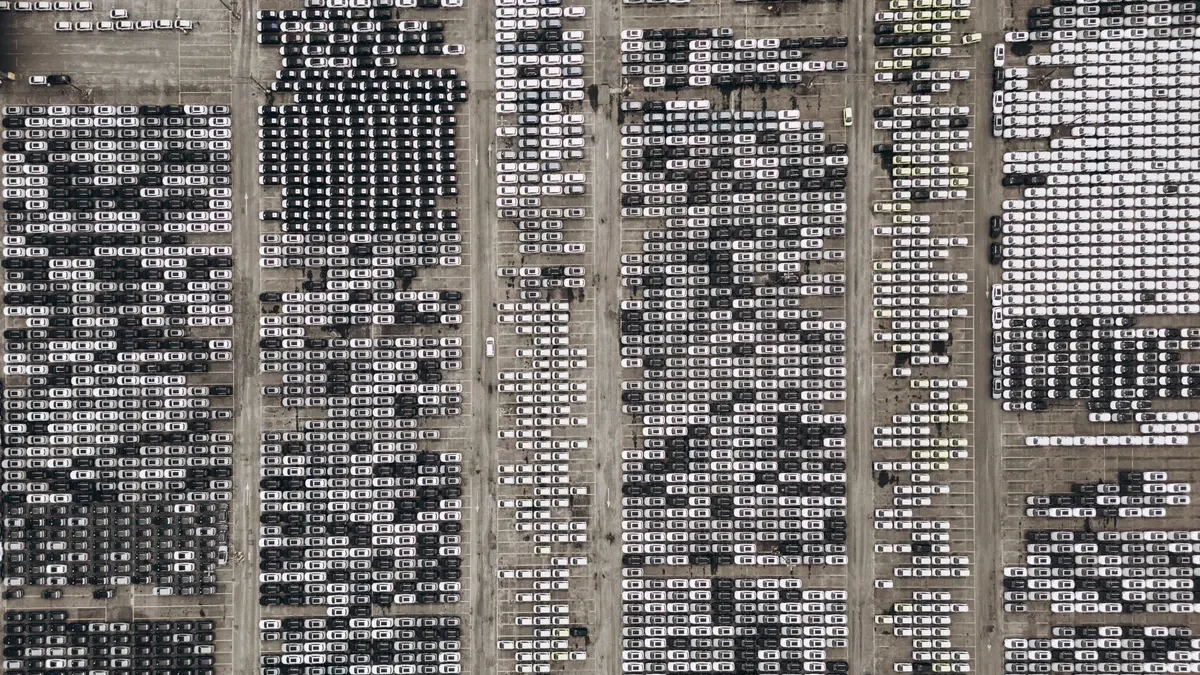
Stellantis Italy output rose 28% to 340,745 vehicles in the first nine months of 2026, putting the automaker on course for roughly 450,000 units for the full year, according to the FIM-CISL union. The headline number is real progress, but the composition of that recovery tells a more uncomfortable story: one plant is still contracting sharply, the flagship electric model is badly off target, and Italy’s car industry remains dangerously concentrated on a small number of models.
Passenger vehicle production climbed 36.7% to 206,945 units, driven almost entirely by the new Jeep Compass at Melfi and the Fiat Panda. The Panda alone accounts for roughly half of Italy’s entire car output, which is a striking dependency for a model that was never supposed to anchor a national industrial strategy. Commercial vehicles added 17.3% to reach 133,800 units, all of it from the Atessa plant, which now produces 39.3% of Italy’s total vehicle output.
Investing.com reports that FIM-CISL projects full-year 2026 passenger car output will exceed 250,000 units, marking a genuine reversal of a two-year slide. Context matters here: the prior year, Stellantis built slightly fewer than 380,000 vehicles in Italy, including just 213,706 cars, the country’s weakest production figure since 1954.
In January, Stellantis committed to keeping all Italian plants open and maintaining production through 2032, following pressure from Prime Minister Giorgia Meloni’s government, according to Yahoo Finance. The company employs around 40,000 people in Italy. That commitment is now being tested by the gap between stated ambition and actual output.
The hybrid Fiat 500 was supposed to lead the recovery. Instead, it is heading for roughly 60,000 units against an initial target of 100,000, held back by weaker-than-expected demand and repeated stoppages caused by engine component shortages. Short-time working is set to return at Mirafiori later in October after an eight-month hiatus, following stoppages at both Mirafiori and Melfi in late September over missing parts.
Cassino is the other open wound. Output there fell 37.1% year-over-year, against an already depressed 2025 baseline. Industry Minister Adolfo Urso has demanded a development plan for the plant covering both models and jobs. FIM-CISL is scheduled to meet Stellantis on October 15, ahead of regional talks in Turin five days later. Employment across Stellantis’ Italian plants has fallen by around 1,000 in 2026.
To his credit, Urso has backed the sector with real money: Reuters via Yahoo Finance reports he pledged €1.6 billion ($1.7 billion) to support Italy’s automotive supply chain, with more than €1 billion to be made available in the near term. Whether that funding reaches workers at Cassino depends on Stellantis delivering a credible product roadmap for the plant.
On that front, Stellantis’ plans for Melfi include hybrid variants of the Jeep Compass, Lancia Gamma, and DS7, with a goal of tripling production volumes at the site. New compact models are also planned for Pomigliano from 2028, alongside continued Panda output, and hybrid versions are being considered for the next Alfa Romeo Stelvio and Giulia, according to the same Reuters report. DS7 and Lancia Gamma production is due to begin in the fourth quarter of 2026, and Melfi aims to reach full capacity by 2027 once all new lines are running.
Chinese brands took one in four hybrid sales and one in three plug-in hybrid sales across Europe in August, squeezing demand for Stellantis’ own electrified models. Some of that ground is being recovered through Leapmotor International, the 51/49 Stellantis-led joint venture in which Stellantis holds exclusive rights to sell and manufacture Leapmotor EVs outside China. EU sales through the venture rose 211% year-over-year in August. Stellantis invested approximately €1.5 billion to acquire roughly 21% of Leapmotor when the venture was formed.
None of that volume benefits Italian factories. Leapmotor EV production was halted in Poland after that country voted in favor of EU tariffs on Chinese EVs, and production of the Leapmotor B10 is now being planned for Zaragoza, Spain, potentially in the second half of 2026, according to Automotive World. Spain had abstained from the EU tariff vote, according to Yahoo Finance, making it the politically cleaner manufacturing base for the Chinese-architecture vehicles.
Italy’s path to the 500,000-unit threshold FIM-CISL originally targeted looks blocked for 2026. BYD’s talks over Stellantis’ idle Grugliasco plant concluded with the site declared “not for sale,” according to BYD’s European adviser Alfredo Altavilla, and BYD has reportedly shifted its search for a second European plant to Spain and France. Italy has neither the volume nor the flexibility to attract an outside anchor.
The recovery thesis rests on Melfi reaching full capacity in 2027 and on Cassino receiving a credible model commitment before political patience runs out. If Stellantis cannot name the models going to Cassino at the October talks, the plant’s future becomes the story, and the broader 2026 rebound narrative starts to look like a one-plant recovery built on a van and a budget hatchback.
Anduril’s Virginia-class submarine play is bigger than a single contract. The defense startup announced a $3.7 billion self-funded...
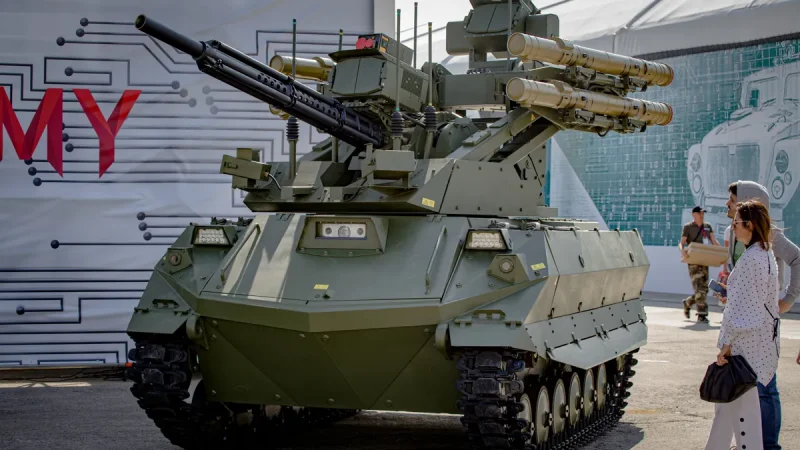
Boeing’s (BA) PAC-3 MSE seeker contract, valued at approximately $14.7 billion over seven years, cements the company’s role...
European defense startup funding is on track for a record $10.5 billion this year, according to Dealroom, and...