Rivian R2 Deliveries Beat Estimates, But Losses Frame the Real Test

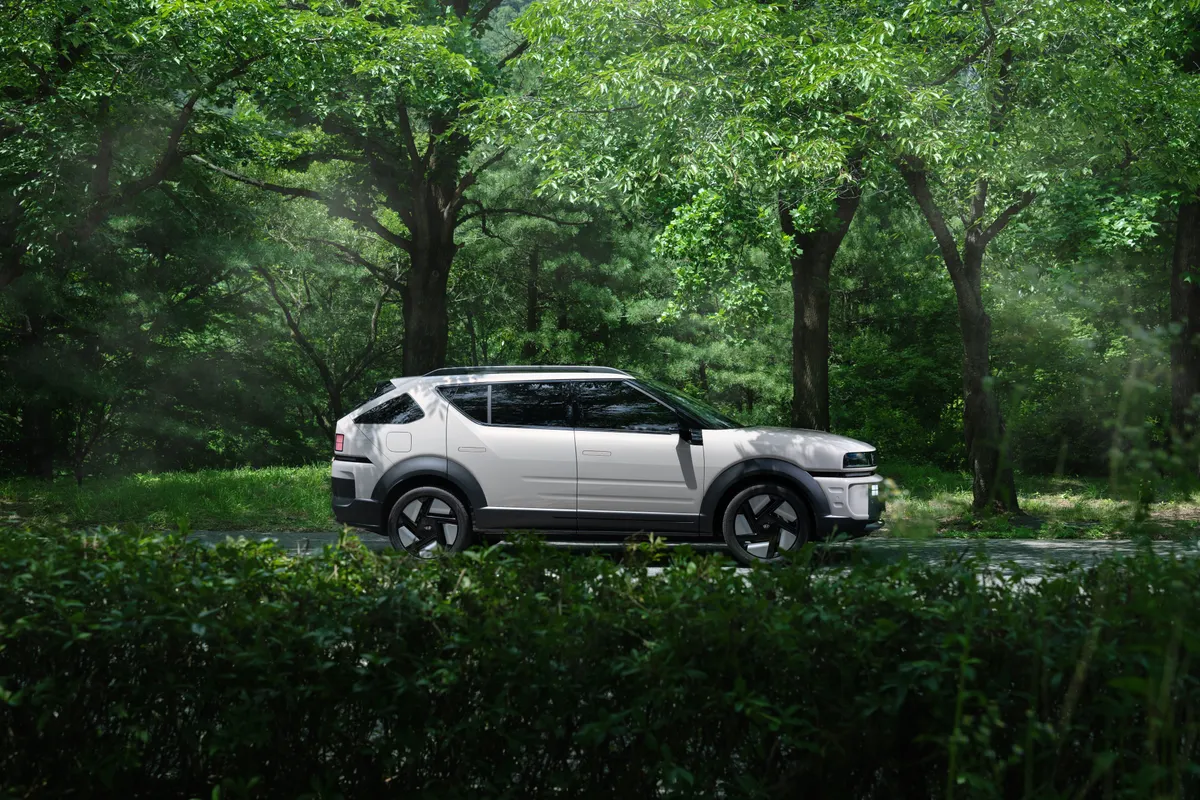
Rivian R2 deliveries reached a record 19,248 vehicles in Q3 2026, up 46% year-over-year and ahead of analyst consensus of 18,001, making the quarter the first full period of R2 sales. The delivery beat is genuine, but the more consequential number sits on the loss side of the ledger, and volume alone will not close it.
A Strong Quarter in a Shrinking Market
The US EV market contracted 15% in the first half of 2026 after the federal EV tax credit was eliminated. Rivian grew through it, which says something real about R2 demand at the premium end of the market.
Production at the Normal, Illinois plant reached 19,751 units in the quarter, keeping inventory lean. Rivian reaffirmed its 2026 delivery guidance of 65,000 to 70,000 vehicles, a range it raised from the original 62,000 to 67,000 issued with Q4 2025 earnings, per the Q4 2025 SEC earnings filing. Hitting the bottom of that range requires at least 23,193 fourth-quarter deliveries, a sequential rise of 20.5%.
The sequential trend supports that math. Deliveries ran at 10,365 in Q1 and 12,194 in Q2, meaning Q3’s 19,248 represents a sustained acceleration, not a one-off. Rivian is targeting 20,000 to 25,000 R2 deliveries by year-end, with a second production shift planned to support that ramp.
The competitive contrast is stark. GM’s Bolt, priced under $30,000, is selling 1,400 to 1,600 units a month after GM cut output by 75%. Rivian is delivering roughly 6,400 vehicles a month, mostly at premium prices. The R2’s only available trim is the Performance variant at just under $60,000. The read here is that subsidy-free EV demand is holding up best among buyers who were never subsidy-dependent, which makes sense but also defines the ceiling on near-term volumes.
Rivian R2 Deliveries and the Subsidy-Free Market Test
The real demand test has not arrived yet. A $53,990 Premium R2 follows later in 2026, with a $48,490 Standard Long Range in early 2027 and a $45,000 base model in late 2027. Each step down in price moves the buyer profile toward consumers who are more sensitive to monthly payment math and more likely to cross-shop conventional vehicles.
There is also a quality footnote worth watching. The R2 ramp has already produced a second recall, covering 14 vehicles with improperly tightened high-voltage battery fasteners that could cause power loss while driving. The number is small, but early-ramp quality issues tend to expand before they contract, and Rivian’s credibility at mass-market price points will depend partly on execution in Normal.
Q2 2026 revenue came in at $1.658 billion, up 27% year-over-year, with $108 million of regulatory credit revenue providing meaningful support, according to StockTitan’s reporting on the Q2 8-K. That credit revenue is not structural, and Rivian’s adjusted EBITDA guidance for the full year sits at a loss of $1.8 billion to $2.0 billion. The 10-Q for the quarter ended June 30, 2026 shows a net loss of $1.253 billion for the first half of the year, with $837 million of that falling in Q2 alone. For context, the full-year 2025 net loss was $3.626 billion, per StockTitan’s reporting on the Q4 2025 results.
The Autonomy Bet Behind the Numbers
Volume growth is necessary but not sufficient for Rivian’s path to profitability, which is why the Uber deal matters as much as the delivery count. Under the partnership announced this year, Uber committed an initial $300 million investment, equating to approximately 19.55 million Rivian shares, with the remaining investment of up to $1.25 billion contingent on autonomous milestones through 2031. Fully autonomous R2 robotaxis will deploy exclusively through the Uber platform from 2028.
CEO RJ Scaringe called it “one of the larger deals, if not the largest deal” Uber has done, both in investment size and vehicle fleet scope. Scaringe has also flagged that R2’s planned successor will be priced “materially lower” from 2028 at Rivian’s Georgia facility, though he acknowledged the trade dependency plainly: “If tariffs go away, we have to be honest that a lot of manufacturing capacity is going to move to China.”
Rivian pushed back its 2027 profitability target earlier this year to fund that autonomy push, a trade-off that makes sense strategically but extends the cash burn runway. The Q1 2026 SEC earnings filing showed $4.830 billion in cash and equivalents at quarter-end, down from $6.082 billion at year-end 2025. Full Q3 financials, including the updated cash position, are due October 29 after the close. That print will determine whether the delivery beat is translating into better unit economics or just more losses at higher volume.