
The Drone Delivery Aviation Stock That Is Processing More Commercial Flights Per Day Than Any Other Company in the Sector

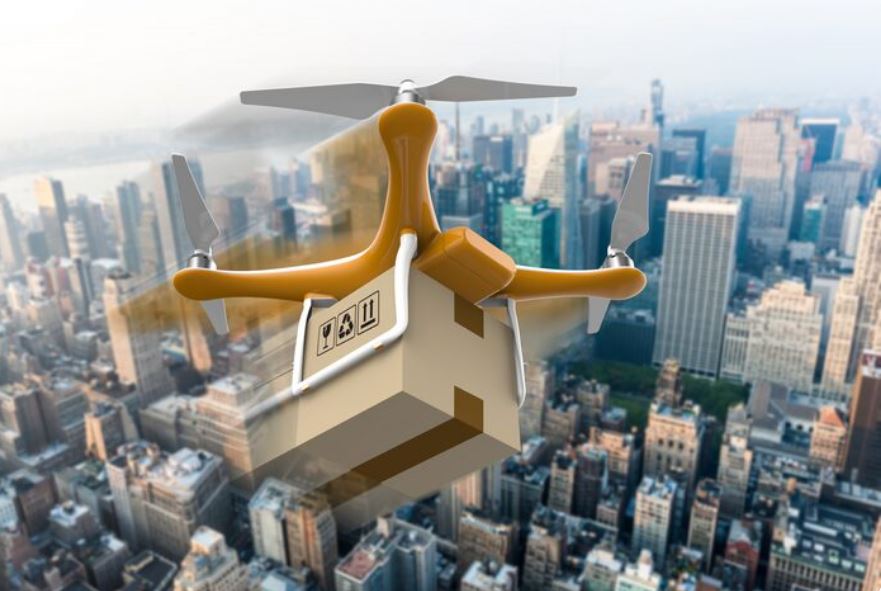
A small white aircraft is hovering thirty feet above a backyard somewhere over a suburb outside of Dallas, lowering a bag of pharmacy supplies onto a patch of dry grass. It takes about four minutes in total. After barking once, the neighbor’s dog stops caring. The dull, repetitive rhythm of the drone delivery story is the part that doesn’t make the press releases. And it’s precisely this rhythm that has subtly made Alphabet’s Wing the world’s busiest commercial drone operator, handling far more flights every day than any other business in the industry.
Talking about Alphabet as a drone stock is odd. The majority of investors associate Google with search, advertisements, YouTube, and a vast cloud enterprise. The drones seem almost insignificant. However, it becomes more difficult to ignore the numbers when the lens is pulled back. This past spring, Wing completed its 600,000th delivery worldwide. Its U.S. expansion, including partnerships with Walmart in the Dallas-Fort Worth metro and a new push into the San Francisco Bay Area announced earlier this year, has transformed what was once a curiosity into something that resembles a logistics company. There’s a feeling that Alphabet has been operating the biggest unofficial pilot program in aviation history without anyone noticing.
In contrast, everyone watches the publicly traded pure-plays. After losing a $1.7 billion Space Force contract, AeroVironment is down about 34% so far this year. Along the red line, Ondas is bouncing. In the past month, Red Cat has decreased by roughly 30%. Kratos isn’t doing much better. The majority of these are defense-related stories, such as autonomous interceptors, counter-drone systems, and battlefield AI, and they have experienced the same ups and downs that seem to accompany every defense trade during the Trump administration. Retail chases the headlines, insiders arrive early, and then the air is released. It is like watching the same movie twice when you look at the chart of almost any small-cap drone stock through 2026.
In contrast, Wing is not a stock that can be purchased directly. The drones are hidden inside a balance sheet of about $2 trillion when you purchase Alphabet. That’s the attraction as well as the annoyance. There isn’t a clear method to determine Wing’s true value, and there isn’t a single quarterly report to analyze. Investors appear to see this as a benefit rather than a drawback because it allows the business to expand without the quarterly pressure that is severely hurting AVAV and ONDS this year. Alphabet may eventually spin Wing out, as it has dabbled in doing for Waymo. They might never do, too.
The story’s weight comes from the flight numbers. As of 2022, McKinsey estimated that there were more than 2,000 commercial drone deliveries per day globally; this number has since increased. Wing now makes up a sizable portion of daily commercial volume, with Zipline coming in second for medical deliveries. The headline-grabbing U.S. defense names appear almost theoretical due to the scale at which both function. A good copy would be a Locust laser test on an aircraft carrier. Delivery of 10,000 drones before lunch is profitable.
There are still many things that could go wrong. The gatekeeper is still regulation. Waivers have done a lot of the heavy lifting because the FAA’s Part 135 framework was never intended for thousands of small unmanned flights that cross residential airspace. Another unanswered question is public acceptance. According to McKinsey’s own survey, about 60% of participants said they would use drone delivery, but things change when a drone actually flies past a bedroom window at seven in the morning on a Saturday. The third lever is cost, and as of yet, no one has demonstrated that drone delivery is significantly less expensive than a child riding an e-bike.
It’s difficult to ignore the difference between the activity and the noise, though. The focus is on the pure-play drone stocks. The flights go to Alphabet. That distinction may be more important to investors attempting to determine the true location of the industry than any one ticker’s share price movements this year.