
Xiaomi Sky Nomad Orders Can’t Close the 2026 Delivery Gap
Xiaomi Sky Nomad orders crossed 70,000 in the model family’s first month, a result that lifted the stock...
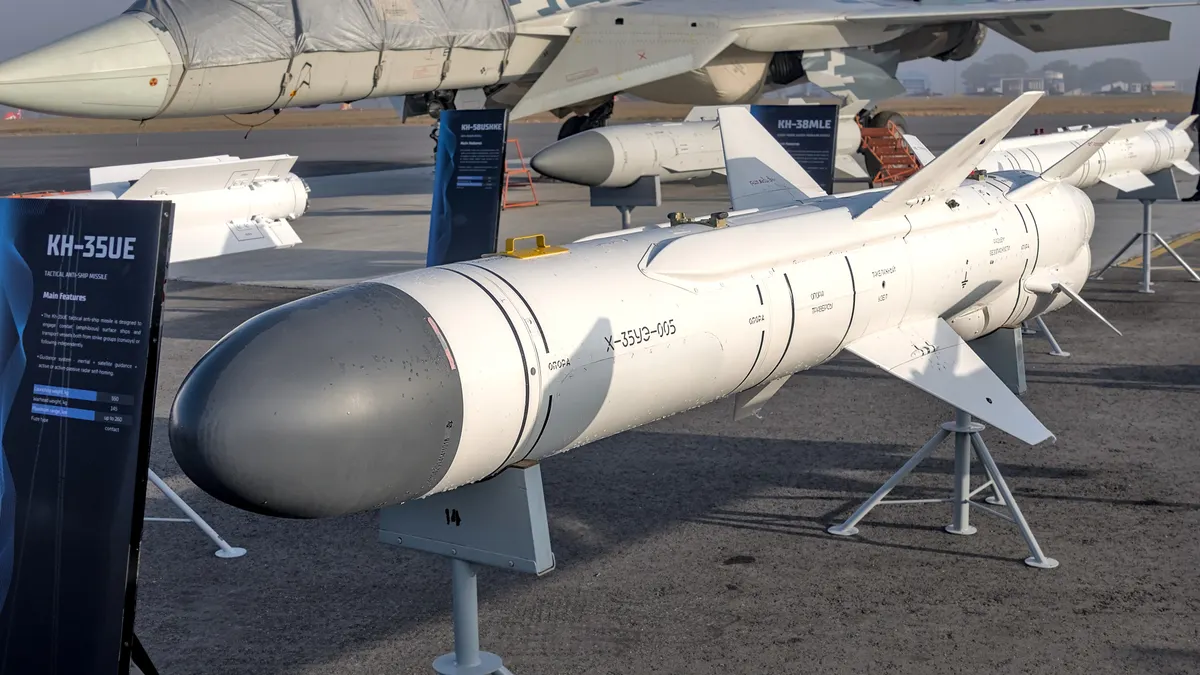
The Pentagon awarded Raytheon a Raytheon SM-3 Block IB contract worth up to $6.3 billion on October 8, 2026, extending production of the Navy’s primary ballistic missile interceptor through 2034. For investors in RTX, the deal matters less as a revenue surprise and more as a signal: the US military is locking in a production floor for a weapon system it has already burned through in combat, and it is paying a sole-source premium to do it.
The contract is structured as a $4.4 billion base award, with the remaining roughly $1.9 billion covered by option years, plus two additional option years beyond the core five-year term, according to Inside Defense. The Missile Defense Agency served as the contracting agency and issued it as a sole-source award, meaning no competitive bidding. That structure tells you something about supply constraints: when the government skips competition, urgency typically outweighs cost discipline.
Production runs through Raytheon’s existing facilities in Tucson, Arizona and Huntsville, Alabama. The February 2026 framework agreement between the DoD and Raytheon was designed to clear the path for exactly this kind of multiyear award, according to Breaking Defense. That sequencing matters: the framework was not a contract, it was a forcing mechanism to accelerate the larger deal.
Raytheon President Phil Jasper framed the contract in operational terms: “SM-3 Block IB has proven its relevance in combat and this contract helps ensure we can replenish inventories and keep pace with the evolving threats the U.S. Navy, MDA and their partners face around the world.”
The SM-3 Block IB saw its first combat use in 2024, when USS Arleigh Burke and USS Carney fired the interceptors against Iranian ballistic missiles targeting Israel. CSIS analysis estimates four to seven SM-3 Block IB missiles were expended in that engagement alone. The same analysis notes that the Missile Defense Agency had previously planned to wind down Block IB production before opting to continue procurement, a reversal that reflects how combat consumption changed the calculus.
The SM-3 Block IB is a hit-to-kill interceptor: it destroys incoming ballistic missiles using kinetic impact rather than explosives, tracking targets with a two-color infrared seeker and maneuvering in short propulsion bursts. It is designed to engage short- and intermediate-range threats during their midcourse phase, and it can be fired from both ships and ground-based launchers. That dual-mode flexibility is a key reason the Navy relies on it heavily for both fleet defense and support to allies.
The broader stockpile picture gives the contract its urgency. The Center for Strategic and International Studies placed the SM-3 Block IB on a list of seven critical munitions facing shortage risk, alongside Patriot missiles, THAAD interceptors, and Tomahawk Land Attack Missiles. CSIS data on those adjacent systems puts the depletion in concrete terms: CSIS estimates US Patriot interceptor stocks fell from roughly 2,200–2,330 before the Iran war to between 759 and 827, approximately 65% depleted. THAAD inventories dropped from around 452 to between 234 and 278.
Those numbers establish the scale of the replenishment problem: the SM-3 contract is one piece of a multiyear rebuild across several critical missile defense lines, not a one-off procurement.
For RTX shareholders, the structure of this deal carries two important features. First, the sole-source designation insulates Raytheon from near-term competitive displacement on this specific program. Second, production running through 2034 means a visible revenue line extending well past the typical annual budget cycle, which reduces the repricing risk that plagues shorter-duration defense contracts.
The bear case is straightforward: this is a replenishment contract, not a growth contract. Revenue replaces consumed inventory rather than expanding the addressable market. Margin on a sole-source multiyear deal can also be subject to government audit and renegotiation under fixed-price or cost-plus structures, and the contract structure was not fully specified in available public documents beyond the base versus option split.
The bull case rests on durability. The CSIS data on Patriot and THAAD depletion shows that the US entered a sustained period of missile defense consumption. The SM-3 program, which the MDA chose to continue despite earlier wind-down plans, is now embedded in a production certainty framework that runs nearly a decade. If the threat environment that drove combat use persists, the option years are likely to be exercised.
The pivot point for RTX is whether the DoD’s broader munitions rebuild translates into follow-on multiyear awards across other Raytheon programs. The SM-3 contract structure looks like a template. If it is, the revenue visibility story gets considerably stronger than a single $6.3 billion line suggests.
Xiaomi Sky Nomad orders crossed 70,000 in the model family’s first month, a result that lifted the stock...

Delta Air Lines (DAL) slashed its Delta Air Lines 2026 outlook on Friday, cutting full-year adjusted earnings per...

The Tesla (TSLA) production outlook for 2026 points to a genuine volume recovery, but the more pressing question...